
2026년
[196호][커버스토리] "LGBTQ+ Victory Institute" #1 경계를 넘어 : 프로그램 디렉터, 마테오 인터뷰| 기간 | 10월 |
|---|
[196호][커버스토리]
"LGBTQ+ Victory Institute" #1
경계를 넘어
: 프로그램 디렉터, 마테오 인터뷰
경계를 넘어, 정치의 주체를 만드는 사람
Crossing Boundaries:
Building the Next Generation of LGBTQ+ Political Leaders
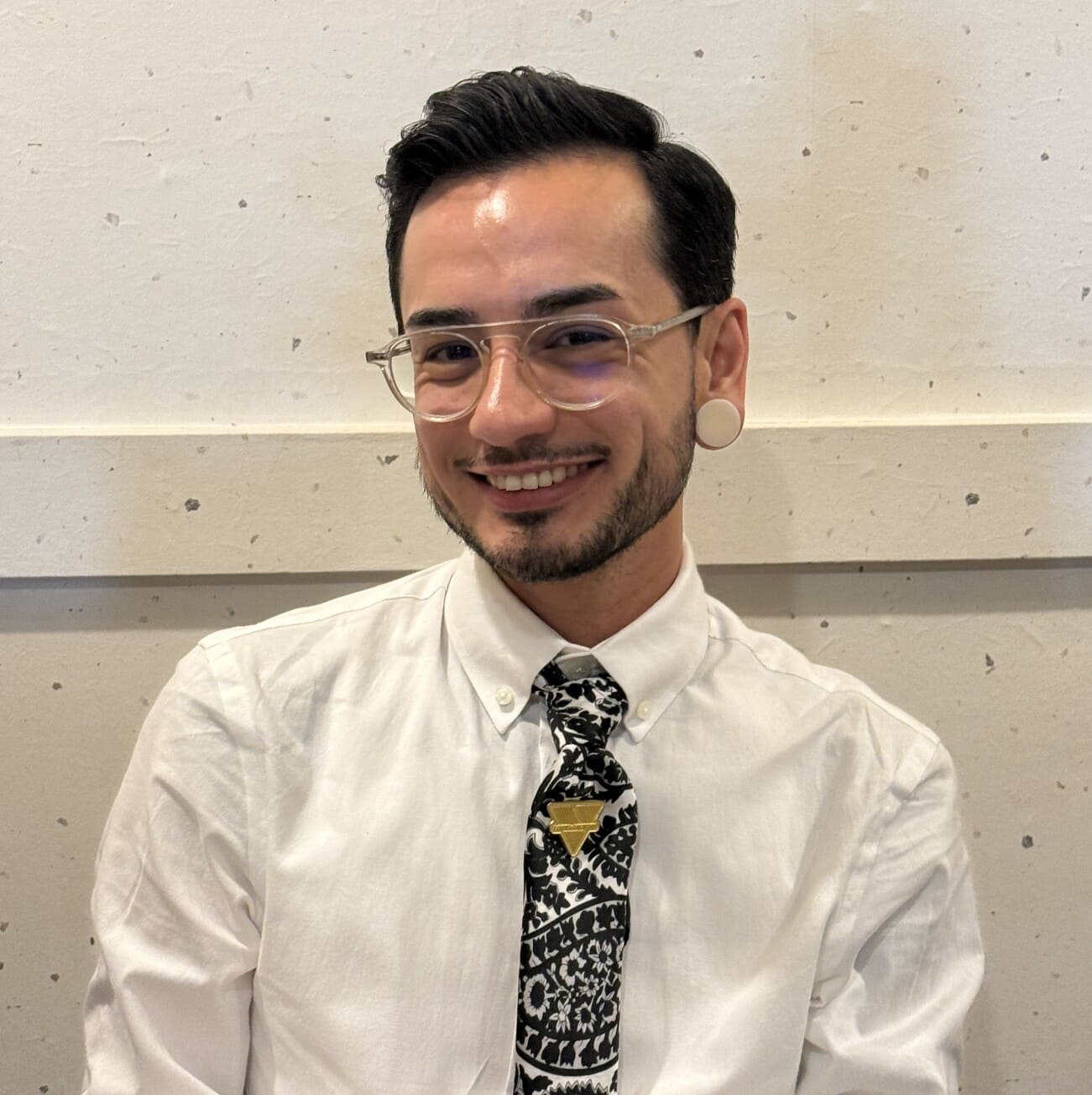
Interview with Mateo de la Torre
Chingusai RUN/OUT × LGBTQ+ Victory Institute Global Programs
멕시코 티후아나에서 미국의 대학과 의회, 연방정부를 거쳐 라틴아메리카와 카리브해의 성소수자 정치 리더들을 연결하는 일에 이르기까지. 마테오 데 라 토레의 삶은 여러 국가와 제도, 공동체의 경계를 가로질러 왔다. 2015년 Victory Institute의 의회 인턴십에 참여했던 청년은 이제 같은 기관의 글로벌 프로그램 디렉터로 일하며 다른 이들의 정치참여를 돕고 있다.
From Tijuana, Mexico, to university, Congress, and the federal government in the United States, and then to connecting LGBTQ+ political leaders across Latin America and the Caribbean, Mateo de la Torre’s life has crossed borders, institutions, and communities. A participant in Victory Institute’s Congressional Internship Program in 2015, he now serves as the organization’s Director of Global Programs, helping others find their own pathways into political life.
이번 인터뷰에서는 마테오 개인의 성장과 정치적 경험을 따라가며 성소수자의 정치적 대표성이 어떻게 만들어지는지 살펴본다. 아메리카 대륙에서 시도한 실험과 그 과정에서 얻은 교훈, 그리고 한국에서 만들어지고 있는 정치참여의 기반이 국제적 경험과 어떻게 연결될 수 있을지도 함께 묻는다.
This interview follows Mateo’s personal and political journey to explore how LGBTQ+ representation is built. It examines what has been tried and learned across the Americas, and how South Korea’s emerging infrastructure for political participation might connect with those international experiences.
Ⅰ. 한국에서의 만남
Encounters in Korea
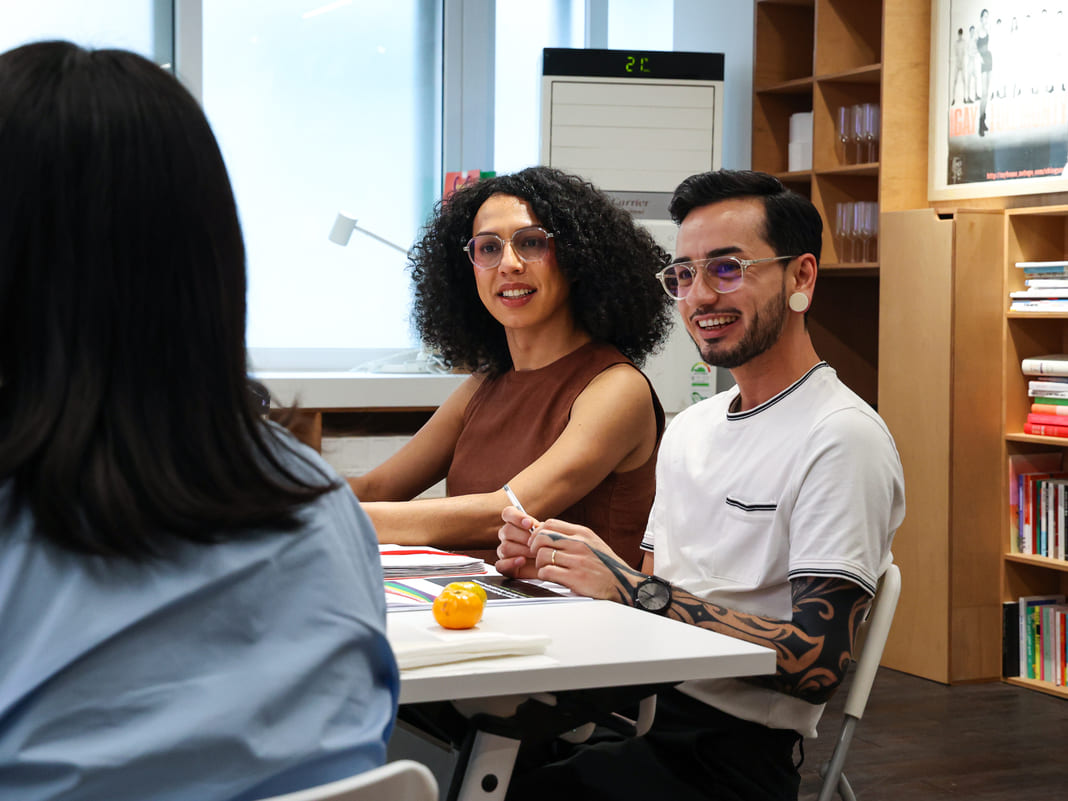
1. 먼저 친구사이 독자들에게 자기소개를 부탁드립니다.
마테오 님은 어떤 분이고, 지금 어떤 일을 하고 계신가요? LGBTQ+ Victory Institute와 글로벌 프로그램팀에 대해서도 소개해 주세요.
Could you introduce yourself to the readers of Chingusai, one of South Korea’s longstanding LGBTQ+ organizations? Please tell us about your work, LGBTQ+ Victory Institute, and its Global Programs team.
마테오 Mateo
친구사이 소식지 독자 여러분, 안녕하세요! 제 이름은 마테오 데 라 토레입니다. he/him 대명사를 사용하는, 멕시코 티후아나 출신의 트랜스젠더 남성입니다. 현재 LGBTQ+ Victory Institute에서 글로벌 프로그램 디렉터로 일하고 있습니다. 감사하게도 이 팀에서 일한 지 벌써 6년이 됐네요.
Hello, readers of Chingusai’s newsletter! My name is Mateo de la Torre. I use he/him pronouns, and I am a transgender man from Tijuana, Mexico. I am the Director of Global Programs at LGBTQ+ Victory Institute, where I have been fortunate to work for six years.
저희는 성소수자의 정치참여를 확대하고 강화하는 데 집중합니다. 여러 나라의 현지 파트너들과 직접 협력하면서, 각국에서 정치 리더들을 지속적으로 지원할 수 있는 생태계를 함께 만들어가고 있습니다. 이것이 글로벌 프로그램의 핵심 목표입니다. 단지 누군가를 당선시키는 것보다 훨씬 넓은 일이죠. 공동체의 리더들이 자신의 삶에 직접 영향을 미치는 문제에 참여하고 목소리를 낼 수 있도록 힘을 실어주는 일입니다.
Our focus is on strengthening LGBTQ+ political participation. We work directly with local partners in different countries to help build sustainable ecosystems that support political leaders in their own contexts. That is the central goal of our Global Programs. It goes well beyond getting people elected. It is about empowering communities of leaders to engage with the issues that directly affect their lives.
2. 이번 한국 방문은 어떻게 시작되었나요?
Victory Institute는 미국뿐 아니라 세계 여러 지역에서 성소수자의 정치적 대표성을 확대하기 위해 활동해 왔습니다. 이번에는 어떤 계기로 한국을 방문하셨나요? 방문을 준비하며 무엇을 보고 배우고 싶으셨는지도 궁금합니다.
Victory Institute works to expand LGBTQ+ political representation both in the United States and internationally. What led to this visit to South Korea, and what were you hoping to see and learn?
마테오 Mateo
여러 나라에서 활동하면서 깨달은 것은, 국가별로 일하는 것을 넘어 우리 권리에 반대하는 세력의 국제적 연결과 영향력을 이해해야 한다는 점입니다. 그들은 서로 매우 긴밀하게 연결되어 있습니다. 한 나라에서 나타난 현상이 다른 나라에서도 반복되고, 어느 나라의 정치적 승패가 다른 나라에 큰 영향을 미칩니다.
Through our work across countries, we have realized that we need to look beyond individual national contexts and understand the global reach and organization of the opposition. They are extremely well connected. What emerges in one country often appears in another, and political victories or losses in one place can have a tremendous impact elsewhere.
그래서 저희는 우리 쪽에서도 어떻게 연결의 통로를 만들 수 있을지 고민하고 있습니다. 어떻게 계속 연결되어 있을 것인가, 한 지역에서 효과를 낸 전략을 다른 지역과 어떻게 나눌 것인가, 어느 곳에서 발견한 위험 신호를 다른 곳의 리더들에게 어떻게 전달할 것인가 하는 질문들이죠.
We are asking how we can build those connections on our side: how to stay connected, how to share strategies across regions, and how to communicate warning signs from one place to support leaders in another.
미국에 기반을 둔 조직으로서 저희가 지키는 원칙은, 단지 우리가 원한다는 이유로 다른 나라에 들어가지 않는다는 것입니다. 언제나 현지 파트너의 초청을 받아 방문합니다. 이번에는 RUN/OUT의 초청을 받았고, 기쁜 마음으로 수락했습니다.
As a U.S.-based organization, our principle is never to enter a country simply because we want to. We always come at the invitation of a local partner. We were very happy to accept RUN/OUT’s invitation.
시점도 좋았습니다. 마침 저희도 ‘글로벌 운동이란 무엇일까? 세계적으로 연결되어 있으면서 각 지역에서 활동한다는 것은 어떤 의미일까?’를 묻고 있었거든요. 한국에서 활동할 기회는 많지 않았지만, 서로 연결되는 일이 중요하다는 점은 알고 있었습니다.
It came at the right moment, as we were asking ourselves what it means to be a global movement and to remain connected internationally while working locally. We had not had many opportunities to work in South Korea, but we understood the value of building that connection.
한국에 오기 전에는 이곳의 성소수자 정치참여에 관해 어떤 이야기를 들으셨나요?
Before coming here, what had you heard about LGBTQ+ political participation in South Korea?
마테오 Mateo
가장 많은 것을 알게 된 것은 여러분과 나눈 초기 대화를 통해서였습니다. RUN/OUT이 추구하는 정치적 대표성 확대가 아직 기반을 만들어가는 단계에 있다는 것을 이해했습니다. 인프라를 구축하는 일이었던 거죠.
Our initial conversations with RUN/OUT were the most revealing. They helped us understand that the work of expanding representation here is at an earlier stage: it is about building infrastructure.
저희가 축적한 경험의 상당 부분은 아메리카 대륙에 집중되어 있었습니다. 지난 5년 정도는 이를 넘어 글로벌한 접근이 무엇인지 이해하려고 노력해 왔습니다. 과거에는 남아시아와 유럽 여러 나라에서도 활동했고요. 그 과정에서 어디서나 통하는 단 하나의 모델은 없지만, 서로 경험을 나눌 필요는 분명하다는 것을 배웠습니다.
Much of our experience has centered on the Americas. Over roughly the past five years, we have worked to understand what a more global approach could look like. We have also worked in South Asia and several European countries. Those experiences made it clear that no single model works everywhere, but exchange is essential.
한국에서는 라틴아메리카에서 도왔던 것과 같은 기반 구축에 참여할 기회가 아직 없었습니다. 여러 지역의 사람들과 교류는 해왔지만, 이번 방문이 한국에서 실제로 어떤 일이 일어나고 있는지 가장 가까이에서 이해하는 기회입니다. 여러분이 가진 통찰과 추진력을 나눠주어 기쁩니다. 저희도 여기서 배우고, 그 배움을 다른 지역에 전할 수 있으니까요.
We have not yet had the opportunity to help build infrastructure in Korea as we have in Latin America. Although we have exchanged experiences with people from different regions, this visit has brought us closest to understanding what is happening here. We are glad that you have the insight and drive to share that with us. It is an opportunity for us to learn and bring those lessons to other regions.
3. 지난 며칠 동안 만난 한국은 어떤 모습이었나요?
이번 방문에서는 무지개행동과 친구사이 같은 인권단체, VALID와 NEWWAYS 같은 정치교육·정치인 육성 조직, 망원정x의 페미니스트 정치학교, 국회에서 일하는 성소수자 정치 실무자 등 다양한 분들을 만나셨습니다. 이 만남들을 통해 한국을 어떻게 보게 되셨나요? 기억에 남거나 예상과 달랐던 순간도 있었나요?
During this visit, you have met LGBTQ+ advocacy organizations such as Rainbow Action and Chingusai, political education and leadership initiatives including VALID and NEWWAYS, Mangwonjeong X’s Feminist Political School, and LGBTQ+ professionals working in the National Assembly. What have these encounters shown you about Korea? Were there any particularly memorable or unexpected moments?
마테오 Mateo
이미 많은 활동이 진행되고 있고, RUN/OUT 같은 조직이 등장할 수 있도록 토대를 만들어온 활동도 있다는 생각이 들었습니다. 저희가 여러 곳에서 정치참여 생태계를 함께 만들며 배운 것은, 권리를 얻는 일과 정치적 권력을 얻는 일이 같지는 않다는 점입니다. 두 과정이 나란히 진행된다는 사실을 이해하는 것이 중요합니다.
There is tremendous work underway, as well as a history of organizing that has laid the foundation for an initiative like RUN/OUT to exist. One lesson from the political participation ecosystems we have helped build is that winning rights is not the same as winning political power. It is important to understand them as processes that develop alongside one another.
한국에서는 서로를 보완할 수 있는 영역 사이에 협력의 가능성이 아주 많아 보였습니다. 페미니스트 운동이 여러분과 협력하고 있고, 비당파적인 청년 중심 활동과 OA도 있다는 점이 반가웠습니다. 다른 지역의 시민사회가 실패를 통해 얻은 교훈도 우리가 계속 연결되어 정보를 나눈다면 이곳에서 활용할 수 있을 것입니다.
I see many opportunities for collaboration between complementary areas of work. It is exciting to see feminist movements working with you, alongside nonpartisan youth initiatives and OA. If we stay connected and share information, lessons learned from civil society’s failures elsewhere can also be useful here.
진보가 직선으로 이루어진다고 생각하지는 않습니다. 우리는 모두 같은 시대를 살고 있지만 운동이 나아온 지점은 서로 다릅니다. 그렇다고 다른 나라가 걸어온 시간을 한국도 똑같이 거쳐야 하는 것은 아닙니다. 각자의 시간표가 있으니까요.
I do not think progress is linear. We all live in the same historical moment, but our movements have reached different points. That does not mean Korea must take exactly as long as another country did. Everyone has a different timeline.
한국에서 느낀 빠른 움직임은 ‘해보자. 새로운 방법을 시도하자. 움직이자’라는 태도였습니다. 다른 곳에서 조금씩 단계를 밟아온 방식과는 다른 접근으로 보였습니다. 이번에 본 프로그램들은 매우 혁신적이었고, 이를 만들어가는 사람들에게도 큰 에너지가 있었습니다.
What I see here is a fast-moving spirit of “Let’s try things. Let’s innovate. Let’s move.” It feels like a different approach from places where the work has advanced through many incremental steps. The programs we have seen are innovative, and there is considerable energy behind them.
이 조직과 운동들이 서로에게서 자원을 발견하고 함께 만들어갈 방법을 찾기를 바랍니다. 그리고 성과를 얻는 순간에도 그 성과를 가능하게 한 힘을 잊지 않았으면 합니다.
My hope is that these organizations and movements find resources in one another and ways to build together. When progress comes, I hope they do not lose sight of the strength that made it possible.
특별히 예상하지 못한 대화나 반응도 있었나요?
Was there a conversation or reaction you had not expected?
마테오 Mateo
여러분이 현재 상황을 잘 설명해 주셔서 크게 놀라지는 않았습니다. 오히려 설명해 주신 내용이 실제 만남에서 확인되는 순간들이 힘이 됐습니다. 다른 활동을 시작한 분들에게도 폭넓은 비전이 있었고, 그 안에는 여러분과 같은 조직과 협력할 자리도 있었습니다. 처음 마주하는 저항에만 머무르지 않고 그 너머를 바라보려는 의지, 함께 성장하려는 개방성을 확인할 수 있어서 기뻤습니다.
RUN/OUT had given us a clear picture of the situation, so I was not particularly surprised. What was motivating was seeing that picture confirmed in person. The founders of other initiatives had expansive visions that included room to collaborate with organizations like yours. It was gratifying to see the intention to look beyond initial resistance and the openness to keep growing together.
4. 하루에 두세 개씩 이어진 일정은 힘들지 않으셨나요?
거의 매일 점심부터 저녁까지 만남이 이어졌습니다. 짧은 시간에 이렇게 다양한 사람을 만나는 경험은 어떠셨나요? 바쁜 일정 중에 한국의 일상을 즐길 시간도 있었는지 궁금합니다.
Your schedule has involved two or three meetings almost every day, often from lunch into the evening. What has it been like to meet so many people in such a short time? Have you had a chance to enjoy everyday life in Korea as well?
마테오 Mateo
강도 높은 일정이었지만 그만큼 풍부한 경험이었습니다. 정치는 빠르게 움직이고, 강도도 높고, 다루는 문제도 무겁습니다. NEWWAYS나 페미니스트 정치학교에서 각자의 활동을 만들어가는 분들의 일정에서도 그런 점을 느낄 수 있었습니다. 그분들 역시 바쁜 가운데 저희를 만날 시간을 내주신 것이니까요.
It has been intensive, but also very rich. Politics moves quickly, demands a great deal, and deals with weighty issues. We could see that in the schedules of people building initiatives such as NEWWAYS and the Feminist Political School. They made time for us despite their own commitments.
자기 활동에 헌신하는 사람들이 이런 협력을 위해 시간을 낸다는 것은 진정한 파트너십이 시작되고 있다는 좋은 신호라고 생각합니다. 페미니즘, 청년, 보다 보수적인 관점에서 정치적 경로를 모색하는 사람들까지, 서로 다른 위치에 있는 분들이 모두 만남의 자리를 마련해 주셨습니다.
When people who are deeply engaged in their work make room for this kind of collaboration, it is a strong sign of a genuine partnership beginning. People working on feminism and youth, as well as those exploring more conservative perspectives and political pathways, all made space to meet us.
제 일정만 빽빽했던 것이 아닙니다. 상대방의 일정도 있었고, 그 안에서 우리 대화를 위한 시간과 의미를 찾았다는 사실이 중요합니다. 앞으로의 협력이 어떤 모습일 수 있을지 보여주는 경험이었습니다.
It was not only my schedule that mattered. Everyone else had a schedule too, and they found both time and meaning in these conversations. That says a great deal about what future collaboration could look like.
서울이나 한국을 즐길 시간도 있었나요?
Have you had time to enjoy Seoul or Korea?
마테오 Mateo
저에게는 사람들을 만나는 것 자체가 즐거움입니다. 어떤 배경에서 출발했든, 어떤 방향을 향하든, 사람들의 동기와 추진력, 열정을 보는 것이 이번 경험에서 가장 좋았습니다.
For me, meeting people is part of the enjoyment. Seeing their motivation, drive, and passion, whatever their background or direction, has been the best part of this experience.
저는 저희의 경험을 전하러만 온 것이 아닙니다. 저 자신도 배우러 왔습니다. 여기서 배운 것을 가지고 돌아가 다른 지역에서 함께 일하는 공동체들과 나누고 싶습니다. 그곳에서도 지금 한국에서 만들어지는 경험이 도움이 될 수 있으니까요.
I am not here only to share what we have learned. I am here to learn myself and take those lessons back to communities we work with elsewhere. They can also benefit from what is happening in Korea.
Ⅱ. 멕시코에서 미국, 콜롬비아까지
A Life Across Borders
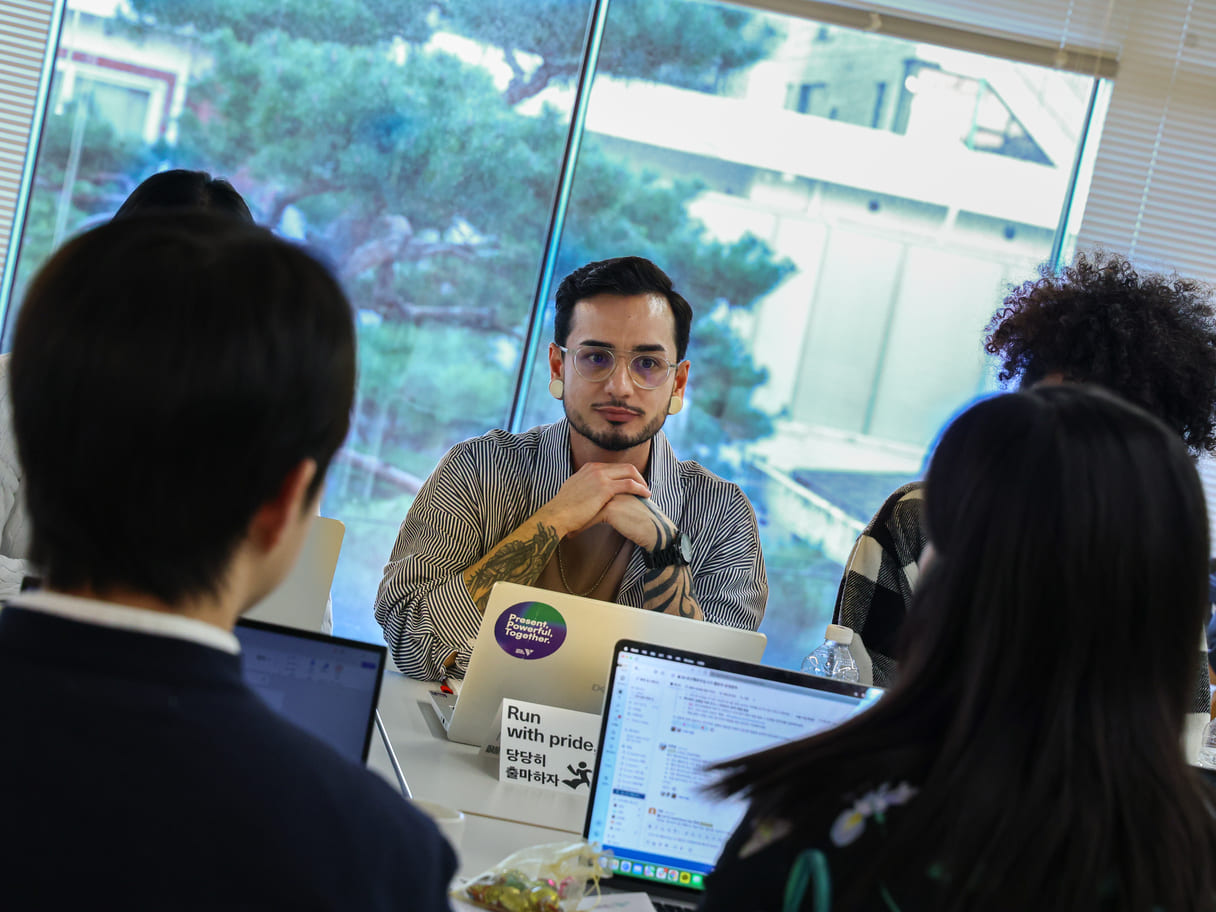
5. 마테오 님의 삶에는 여러 국가와 도시가 등장합니다.
멕시코 티후아나에서 자라 미국에서 공부하고 일했고, 지금은 콜롬비아에 살고 계십니다. 각각의 장소는 어떻게 삶의 일부가 되었나요? 국경을 넘나들며 살아온 경험은 소속감과 정체성에 어떤 영향을 주었나요? 지금 마테오 님에게 ‘집’은 어떤 의미인가요?
You grew up in Tijuana, studied and worked in the United States, and now live in Colombia. How did each place become part of your life? How has living across borders shaped your sense of belonging and identity? What does “home” mean to you today?
마테오 Mateo
정말 많이 조사하셨네요! 물론 제가 공개해 둔 이야기이기는 합니다. (웃음) 티후아나는 미국 국경 바로 옆에 있습니다. 그곳에서 자란 젊은 사람들은 미국으로 가서 기회를 찾으라는 기대를 많이 받습니다. 부모님이 자녀에게 바라는 기회들이죠. 다만 제가 미국으로 간 과정은 일반적인 경로와는 조금 달랐습니다.
You really did your research! Although, of course, I did put those stories out there. [Laughs.] Tijuana is right on the U.S. border. Young people growing up there often face an expectation to find opportunities in the United States, especially the opportunities their parents hope for them. My own route was not necessarily typical.
저는 열네 살에 집에서 쫓겨났습니다. 삶을 이어갈 방법을 찾아야 했고, 직업적인 성취에 앞서 한 사람으로서 제가 누구인지 발견하고 살아갈 수 있어야 했습니다. 대학에 갈 수 있다면 새로운 문이 열릴 것이라고 생각했습니다. 여러 집을 옮겨 다니며 저를 도와주는 가족들에게 의지했고, 그러다 미국으로 갈 길을 찾았습니다. 그 과정에서 제 트랜스젠더 정체성도 발견했습니다.
I was kicked out of my home at fourteen. I knew I had to find a way forward, not simply professionally, but to become myself as a person. I saw higher education as a way to open doors. I moved between homes and families who supported me, eventually finding my way to the United States. Along that journey, I discovered my trans identity.
미국에 가기 전에는 트랜스젠더 공동체를 제대로 만난 적이 없었습니다. 트랜스젠더 친구나 멘토도 없었고요. 제가 다닌 대학은 개방적이고 퀴어 친화적인 곳이었습니다. 젠더·섹슈얼리티 평등센터에서 여러 패널과 프로그램을 열었는데, 그곳에서 처음 트랜스젠더 남성들을 만났습니다.
Before then, I had never really encountered a trans community. I had no trans friends or mentors. My university was an open, queer-friendly place, with a Gender and Sexuality Equity Center that hosted panels and programs. That was where I first met transgender men.
그전에도 트랜스젠더 여성을 본 적은 있었습니다. 하지만 제가 알고 있던 분들은 정체성을 숨겨야 했고, 안전한 공간에서만 자신으로 살아갈 수 있었습니다. 일상에서는 트랜스 여성으로 살아가기 어렵다는 것을 알고 있었죠. 그런데 트랜스 남성들의 존재를 알게 된 순간, 저는 거의 곧바로 이해했습니다. ‘나는 트랜스젠더구나. 나는 남성이구나. 이것이 내 정체성이구나.’ 그것을 스스로 받아들이는 일은 어렵지 않았습니다.
I had encountered trans women before, but the women I knew had to hide. They could be themselves in safe spaces, while living openly as trans women in everyday life was difficult. When I discovered trans men, my recognition was almost immediate: I knew I was trans, that I was a man, and that this was my identity. Accepting that for myself was easy.
대학은 저를 받아들이고 리더십을 키울 수 있도록 도와주는 공간이었습니다. 그곳에서 보낸 5년 동안 활동가가 되었다고 느낍니다. 저 역시 다른 사람과 같은 권리와 접근권을 누릴 자격이 있고, 트랜스젠더라는 이유로 달라져서는 안 된다는 것을 배웠습니다. 트랜지션에 필요한 의료서비스를 받고 보험으로 보장받을 수 있어야 하고, 제 이름과 성별을 인정하는 신분증을 가질 수 있어야 하며, 차별 없이 일자리를 구할 수 있어야 한다는 것이죠. 그런 깨달음이 저를 활동가로 만들었습니다.
The university was an accepting environment that wanted to develop my leadership. During my five years there, I became an activist. I learned that I deserved the same rights and access as anyone else, and that being trans should not change that. I should have access to transition-related care and insurance coverage, identification that recognizes my name and gender, and employment without discrimination. Those realizations brought me into advocacy.
한편 미국에서 멕시코인으로 사는 것은 쉽지 않았습니다. 저는 지금처럼 영어를 할 수 있었지만, 주변에는 스페인어를 아는 사람이 없었습니다. 활동에 관해 배우는 모든 것이 영어였어요.
At the same time, being Mexican in the United States was difficult. I spoke English as I do now, but nobody around me spoke Spanish. Everything I was learning about advocacy was in English.
제게 가장 중요한 사람은 할머니입니다. 제가 배우는 것을 할머니에게 설명할 수 없다면, 그것은 누구나 이해할 수 있는 언어가 아닌 셈이죠. 그래서 할머니가 제 인권운동의 언어를 다듬는 기준이 되었습니다. 할머니도 저와 함께 이 여정을 걸어갈 수 있어야 했으니까요. 모국어인 스페인어를 쓰지 않으면서 제 일부를 잃는 듯한 느낌도 있었습니다.
My grandmother is the most important person in my life. If I cannot explain what I am learning to her, then that language is not accessible. She became my reference point for developing accessible language around advocacy, so that she could walk this journey with me. Not speaking Spanish, my first language, felt like losing a part of myself.
그 뒤로 미국에서 몇 년을 더 살다가, 제 기억으로는 코로나19 무렵 멕시코의 가족 곁으로 돌아갔습니다. 다시 가족과 함께하는 경험은 특별했지만, 어릴 때 떠났던 집과 같지는 않았습니다. 미국에서 인권운동을 하며 만든 집과도 달랐고요. 가족을 되찾는 대신 활동하면서 만난 가족을 잃은 듯했습니다.
I spent several more years in the United States before returning to my family in Mexico, around the time of COVID, as I recall. Being with them again was meaningful, but it did not feel like the home I had left as a child, or the home I had built through advocacy in the United States. It felt as though I had regained my family but lost my advocacy family.
지금 콜롬비아에 사는 것은 사랑하는 사람을 만나 결혼했기 때문입니다. 제게 집은 하나의 장소가 아닙니다. 이주는 정말 어렵습니다. 자신의 많은 부분을 잃기도 하고, 새로운 부분을 얻기도 하죠. 그래도 제게 집은 언제나 그 여정에서 만나는 사람들입니다.
I now live in Colombia because I met my partner and got married. Home, to me, is not one place. Migration is incredibly difficult: you lose parts of yourself and gain new ones. But home will always be the people you meet along the way.
우리 삶이 고정되어 있지 않듯 집도 하나의 고정된 장소일 필요는 없습니다. 저를 지지하는 사람들, 제가 지지하는 사람들, 그 관계에서 만들어지는 사랑. 제게는 그것이 집입니다.
Our lives are not static, so home does not have to be a fixed place either. It is the relationships we build, the people who support us, the people we support, and the love that comes from those relationships. That is home.
6. 정치와 공동체를 처음 만났던 순간은 언제였나요?
대학 시절 학생회와 성소수자 프로그램에서 활동하셨고, 치코 주립대에서는 ‘Is Tolerance Enough?’라는 패널·워크숍 시리즈에도 참여하셨습니다. 처음 정치와 공동체 활동에 나서게 된 계기는 무엇이었나요? 당시 던졌던 ‘관용만으로 충분한가?’라는 질문에는 지금 어떻게 답하시겠어요?
At Chico State, you were involved in student government and LGBTQ+ programming, including the “Is Tolerance Enough?” panel and workshop series. What first drew you into politics and community organizing? How would you answer that question today?
마테오 Mateo
대학에서 트랜스젠더 정체성을 발견했지만, 학교가 제도적으로 제공하지 않는 것들이 여전히 많았습니다. 우리는 자신의 성별 정체성에 맞는 화장실을 사용할 수 있는 정책을 요구했습니다. 정체성을 탐색 중이거나 신체적 트랜지션을 시작하지 않은 사람도 안전하게 이용할 수 있도록 성중립 화장실을 요구했고요. 학교 보건센터가 다른 의료서비스를 제공한다면 성별확정 의료서비스도 기본적인 권리로 제공해야 한다고 이야기했습니다.
I discovered my trans identity in college, but there were still many things the university did not provide institutionally. We asked for policies allowing people to use restrooms that matched their gender identity. We wanted gender-neutral bathrooms so that people exploring their identity, or who had not begun a physical transition, could feel safe. We also argued that if the health center provided other forms of healthcare, gender-affirming care should be available as a basic right.
다른 사람들의 필요는 충족되는데 제 필요는 그렇지 않다는 것을 알게 되면서 인권운동에 더 적극적으로 참여했습니다. 화장실, 체육관 샤워실 등 성별에 따라 이용이 나뉘는 시설의 정책 담당자들을 찾아가 설득하기 시작했죠.
Recognizing that other people’s needs were being met while mine were not drew me further into advocacy. I began approaching the people responsible for policies governing restrooms, gym showers, and other gendered facilities.
그러다가 그 권한의 일부가 학생회에 있다는 것을 알았습니다. 학생단체들이 사용하는 학생회관과 체육관이 학생회 관할이었습니다. 사무실에 찾아가 “누가 이 일을 담당하나요?”라고 물었고, 시설·서비스 담당 부회장이 맡고 있다는 것을 알게 됐습니다. 그 사람과 이야기했지만, 저와 같은 경험이 없었고 이 문제를 우선순위로 보지 않았습니다. 마침 선거가 다가오고 있어서 제가 출마하기로 했습니다.
I then discovered that student government held some of that authority. It oversaw the student building, which housed student organizations, and the gym. I went to its office and asked who was responsible. The role was Vice President of Facilities and Services. I spoke with the person in that position, but they did not share my experience or see these issues as a priority. An election was approaching, so I decided to run.
결심이 늦어 투표용지에 이름을 올리는 후보 등록 기간을 놓쳤습니다. 그래서 유권자가 투표용지에 제 이름을 직접 적어야 하는 후보, 이른바 ‘write-in candidate’로 나섰습니다. 모든 학생단체의 목록과 회의 시간, 장소를 알아내고 하나하나 찾아갔습니다.
I decided too late to register for the printed ballot and became a write-in candidate. I obtained a list of every student organization, along with its meeting times and locations, and went to their meetings.
제가 트랜스젠더 남성이라는 것, 우리 공동체에 필요한 것, 학생회가 가진 권한을 이야기했습니다. 누군가 의제를 제안하면 논의가 시작될 수 있고, 실제로 변화를 만들 수 있다고 설명했죠. 그렇게 처음 정치에 뛰어들었고, 당선됐습니다. 이후 수석부회장 선거에도 출마해 당선됐고요.
I spoke about being a trans man, our community’s needs, the authority student government held, and what we could change by putting proposals forward. Someone has to raise an issue before it can be discussed. That was how I entered political life. I won, and later ran for Executive Vice President and won that election too.
이 경험은 변화를 만드는 방법에 대한 제 생각을 완전히 바꿨습니다. 제가 당선될 수 있었던 것은 다른 사람들에게도 권력에 다가가 자기 의제를 제안할 길을 보여주었기 때문이라고 생각합니다. 제가 그들의 목소리를 전달하는 통로가 될 수 있다고 말했습니다. 제게 중요한 문제가 있듯 그들에게도 중요한 문제가 있을 테고, 저도 그 문제를 중요하게 다룰 수 있으니까요.
The experience transformed my understanding of how change happens. I believe I succeeded because I showed other people how they could get closer to power and bring forward their own priorities. I could be a channel for their concerns. Just as some issues mattered deeply to me, others mattered to them, and I could care about those too.
변화를 위해서는 제도적 변화도 필요하고, 제도를 바꾸려면 그 안에서 영향력을 가져야 한다는 사실을 깨달은 순간이었습니다.
It was a turning point: I understood that change also requires institutional change, and that changing institutions requires influence within them.
그렇다면 ‘관용만으로 충분한가?’라는 질문의 답은 무엇인가요?
So, is tolerance enough?
마테오 Mateo
당시 학생들이 학교에 던진 질문이었습니다. 화장실과 샤워실 개선, 의료서비스 접근권을 요구하자 반대에 부딪혔습니다. 모두 예산이 필요한 일이었고, 돈이 드는 순간 제도적 저항은 더 커졌습니다. 그래서 ‘정말 관용만으로 충분한가?’라는 학교 전체의 토론을 시작한 것입니다.
That was the question students were putting to the university. Our demands for better bathrooms and showers and access to healthcare met resistance. They all required funding, and institutional resistance grew when a budget was involved. That prompted the campus-wide conversation: is tolerance really enough?
답은 충분하지 않다는 것이죠. 우리에게는 예산과 실제 변화가 필요합니다. 정책이 달라져야 하고, 권력을 가진 사람들이 우리를 진지하게 대해야 합니다. 작은 소수집단으로만 볼 것이 아니라, 안전과 존중을 누릴 권리가 있고 힘을 가진 공동체의 구성원으로 인정해야 합니다.
It is not. We need budgets, real changes, and different policies. People in power need to take us seriously, not simply as a small minority, but as members of the community who have power and deserve safety and respect.
정해진 답을 듣기보다 대화를 시작하기 위한 질문이었습니다. 우리는 그저 용인되는 것으로 만족하지 않습니다. 실질적인 포용과 접근권이 필요합니다. 제가 출마할 때 내세운 것도 바로 ‘포용과 접근권’이었고, 대학의 젊은 사람들에게 큰 공감을 얻었습니다.
The question was intended to start a conversation. We were no longer satisfied with being tolerated. We wanted real inclusion and access. Those were the two principles of my election platform, and they resonated with young people at the university.
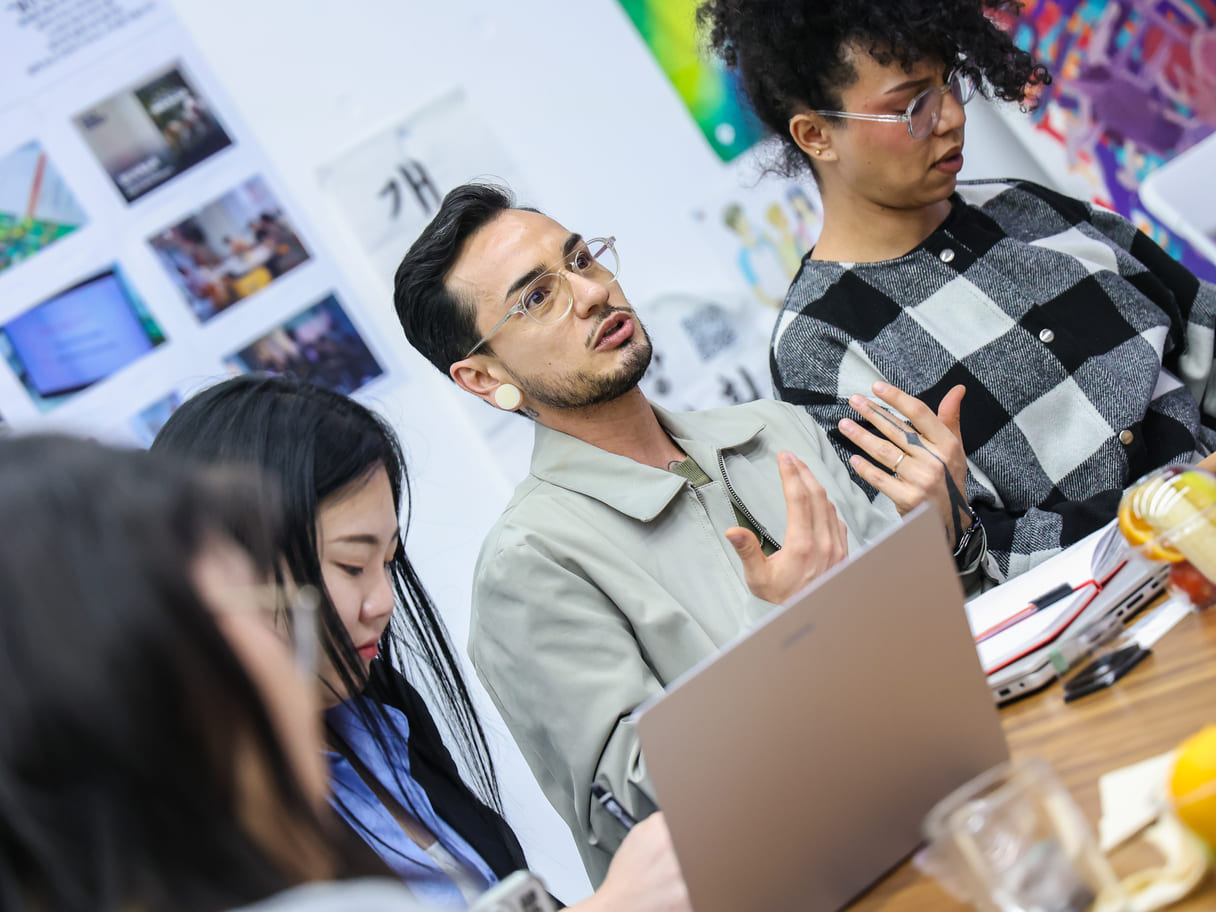
7. Victory Institute와의 인연은 대학 시절로 거슬러 올라갑니다.
2015년 Victory Congressional Internship에 선발되어 미국 연방하원에서 일하셨습니다. 처음 이 프로그램을 어떻게 알게 되었고, 어떤 마음으로 지원하셨나요? 선발 소식을 들었을 때의 기분도 궁금합니다.
In 2015, you joined the Victory Congressional Internship and worked in the U.S. House of Representatives. How did you discover the program, what motivated you to apply, and how did you feel when you were selected?
마테오 Mateo
제가 자라온 환경에서는 이런 기회를 얻으리라고 생각해 본 적이 없습니다. 첫 선거에서 이기고 화장실을 개선하고 정책을 바꾸면서, 제게도 변화를 만들 힘이 있다는 것을 느꼈습니다. 더 큰 꿈을 꾸고 더 넓은 공간에서 일하는 제 모습을 상상하기 시작했죠. 저도 그곳에 있을 자격이 있고, 사람들에게 들려줄 가치가 있는 목소리를 가졌다는 것을 알게 됐습니다.
Given my background, I had never expected opportunities like that. Winning my first election and helping renovate bathrooms and change policies made me feel that I could make a difference. I began to dream bigger and imagine myself in larger roles and spaces. I understood that I deserved to be there and had a voice worth sharing.
저는 활동에 개인적인 경험을 많이 담았습니다. 취약함을 드러내는 데에도 힘이 있다는 것을 느꼈습니다. 그러면서 누가 나를 보고 듣고 있는지 알 수 없다는 것도 배웠습니다. 좋은 쪽으로든 나쁜 쪽으로든요. 제 경우에는 다행히 좋은 방향으로도 작용했습니다.
I brought a great deal of my personal experience into the work and discovered power in being vulnerable. I also learned that you never know who is watching or listening, for better or worse. Fortunately, in my case, that worked in a positive way too.
Victory와 인턴십을 아는 분들이 찾아와 “학교에서 이런 대화를 시작하고 좋은 일을 하고 있네요. Victory Institute를 아세요?”라고 물었습니다. 저는 몰랐습니다. 그저 제 권리를 위해 싸우고, 안전한 환경에서 제 모습대로 살고 싶었을 뿐이니까요. 그렇게 프로그램을 소개받아 지원했습니다. 수백 명이 지원했고, 자리는 여덟 개였습니다.
People who knew Victory and its internship approached me and said, “You are starting these conversations on campus and doing important work. Have you heard of Victory Institute?” I had not. I was simply fighting for my rights and trying to create a safe environment where I could become myself. They introduced me to the program, and I applied. There were hundreds of applicants for eight places.
면접 기회를 얻었을 때는 ‘여기까지가 전부여도 충분히 인정받은 거야. 올바른 방향으로 가고 있어’라고 생각했습니다. 선발되지 않더라도 개인적인 실패나 제 가치의 문제가 아니라고 생각했고요. 지원자 중 50명만 면접을 본다고 해서 ‘나 좀 특별한가 봐!’ 싶기도 했습니다. (웃음) 결국 선발됐을 때는 ‘이건 정말 내가 걸어갈 수 있는 길이구나’라는 확신을 얻었습니다.
When I received an interview, I thought, “Even if this is as far as I get, that is validation. I am moving in the right direction.” Not being selected would not mean I had failed personally or lacked worth. They interviewed only fifty applicants, so I also thought, “Perhaps I am special!” [Laughs.] Being selected gave me the confirmation I needed: this was a path I could follow.
그전까지 미국에서는 캘리포니아주 밖으로 여행해 본 적도 없었습니다. 그런데 워싱턴 D.C.로 가는 항공편과 숙소, 그곳에서 경험을 쌓는 데 필요한 비용을 지원해 준다니 믿기 어려웠습니다.
Until then, I had never traveled outside California within the United States. The idea that they would pay for my flight to Washington, D.C., my accommodation, and the opportunity to take part was extraordinary.
저와 비슷한 배경의 참가자들과 함께한 것도 큰 행운이었습니다. Victory는 인맥도 기회도 특권도 없는 사람들이 권력기관에 접근하도록 돕는 데 집중했습니다. 국가의 중요한 결정이 이루어지는 건물 안으로 우리를 데려가 의사결정 과정과 영향력을 행사하는 법, 정치 분야에서 경력을 이어가는 법을 알려주었습니다. 그 프로그램에 참여하기 전과 후는 완전히 달랐습니다. 제 지평이 크게 넓어졌습니다.
I was also fortunate to join a cohort with people from backgrounds similar to mine. Victory focused on giving people without networks, opportunities, or privilege access to institutions of power. They brought us into the buildings where major national decisions were made and taught us how decisions happen, how to have influence, and how to develop a political career. There was a clear before and after that program. My horizons expanded completely.
언젠가 글로벌 프로그램 디렉터가 되어 직접 사람과 파트너를 발굴하리라고 상상하셨나요?
Did you imagine becoming the Global Programs Director and helping identify leaders and local partners yourself?
마테오 Mateo
제가 받은 것과 같은 힘을 다른 사람들에게 전하는 일에 삶을 바치고 싶다는 생각은 늘 있었습니다. 나도 중요한 사람이라고 믿고 힘을 얻는 것만으로 대학이라는 작은 공간에서도 얼마나 큰 변화를 만들 수 있는지 경험했으니까요.
I always knew I wanted to help others feel the same sense of possibility that I had experienced. Even on a small campus, I had seen how much could change when I felt empowered and believed that I mattered.
Victory에 있든 다른 곳에 있든, 새로운 세대는 물론 더 나이 든 사람들도 조금 다르게 생각하고 자신이 그 자리에 있다는 것의 힘을 느끼도록 돕고 싶습니다. 이런 역할로 Victory에 돌아올 줄은 몰랐을 수 있습니다. 하지만 Victory와 동문 네트워크가 언제나 저를 지지하고 있다는 것은 알고 있었습니다.
Whether at Victory or elsewhere, I wanted to help younger and older generations think differently and recognize the power of their presence. I may not have imagined returning to Victory in this particular role, but I knew that the organization and its alumni network would continue to support me.
8. 미국 연방하원에서는 어떤 일을 하셨나요?
한국에서도 의원실 보좌진은 중요한 정치 입문 경로지만 실제 업무는 잘 알려져 있지 않습니다. 2015년 앨런 로언솔 연방하원의원실에서 인턴으로 일할 당시 일상은 어땠나요? 그 경험을 통해 정치가 움직이는 방식에 대해 무엇을 배우셨나요?
Working as a National Assembly staffer is an important pathway into politics in Korea, but the work itself is not widely understood. What was a typical day like as an intern in Representative Alan Lowenthal’s office in 2015? What did it teach you about how politics works?
마테오 Mateo
의회 인턴은 의원실에서 시민들을 직접 상대하는 역할을 많이 합니다. 미국에서는 유권자가 의원실에 전화하거나 직접 찾아오는 일이 흔합니다. 상급 보좌진이 다른 의원실과 협력하고 법안을 만드는 데 집중하는 동안, 인턴과 실무 직원들은 시민들을 응대합니다.
Congressional interns do much of an office’s public-facing work. In the United States, constituents frequently call or visit their representatives. While senior aides focus on building coalitions and drafting legislation, interns and junior staff often engage directly with the public.
유권자들이 중요하게 생각하는 문제를 기록하고, 그 사안에 대한 의원의 입장과 과거 활동, 앞으로의 계획을 설명하는 것이 주요 업무였습니다. 의원을 대신해 유권자와 이야기해야 하니 정책적 입장을 잘 알아야 했습니다.
Much of our work involved documenting constituents’ priorities and explaining the representative’s positions, previous work, and plans. We needed to understand his policy platform well enough to speak on his behalf.
저는 사람들과 연결되는 것을 좋아해서 그 일이 특별하게 느껴졌습니다. 유권자의 걱정을 듣고 보좌진이 해결책을 마련할 수 있도록 정리하면, 문제를 겪는 사람과 정책을 직접 연결할 수 있습니다. 그 과정에서 큰 힘을 느꼈습니다.
I found that especially meaningful because I enjoy connecting with people. We could listen to someone’s concern and frame it so that an aide could develop a policy response. That created a direct connection between an affected person and a possible solution.
사람들이 자신의 대표자에게 연락할 수 있다는 사실, 자신의 문제와 의원을 연결하는 직원들이 있다는 사실을 안다면, 한 명의 의원을 통해서도 변화의 기회가 생깁니다. 제 일상은 전화와 방문으로 유권자를 만나 이야기를 듣고, 그들의 필요를 기록하는 일이었습니다.
When people know they can contact their representative, and that staff can connect their concerns to that office, opportunities for change emerge, even through a single member of Congress. My day-to-day work was largely about speaking with constituents by phone or in person, listening, and recording their needs.
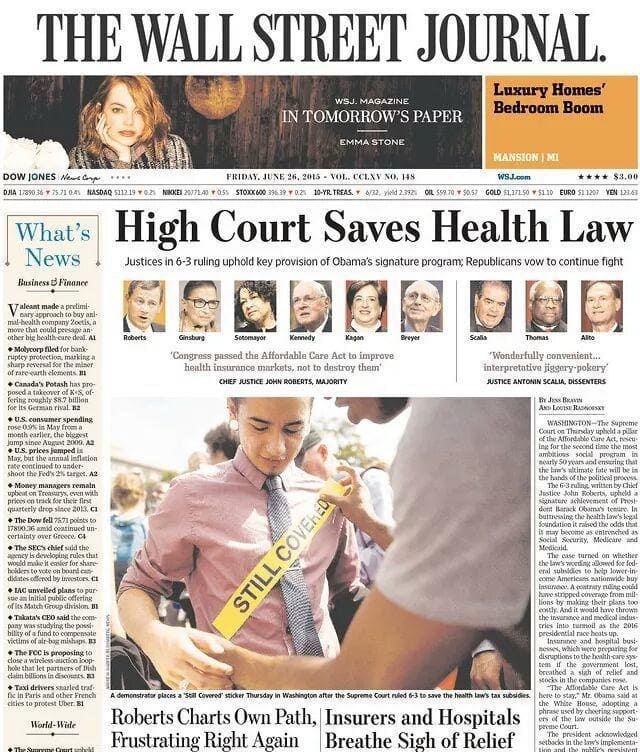
9. 2015년 6월 26일 자 월스트리트저널 1면 사진이 인상적이었습니다.
이력에 실린 사진 가운데, 연방대법원 앞에서 노란색 ‘Still Covered’ 스티커를 붙이는 장면이 눈에 띄었습니다. 오바마케어의 건강보험 보조금을 유지하는 판결 다음 날인 2015년 6월 26일, ‘High Court Saves Health Law’라는 제목과 함께 월스트리트저널 1면에 실린 사진입니다.
One photograph in your résumé caught our attention: a yellow “Still Covered” sticker being placed on a demonstrator outside the Supreme Court. It appeared on the front page of The Wall Street Journal on June 26, 2015, under the headline “High Court Saves Health Law,” following the ruling upholding the Affordable Care Act’s insurance subsidies.
같은 날에는 동성혼을 미국 전역에서 인정하는 판결도 나왔고요. 당시 현장에서는 어떤 일이 있었나요? 자신의 사진이 1면에 실린 것은 어떻게 알게 되셨나요?
On June 26, the Court also recognized marriage equality nationwide. What was happening when the photograph was taken, and how did you discover it had made the front page?
마테오 Mateo
대학 시절 저는 트랜지션을 시작하며 호르몬 치료와 트랜스 남성의 상체 수술, 즉 유방절제술을 받고 싶었습니다. 그런데 제가 가입한 주정부 건강보험은 성별확정 의료서비스를 보장하지 않았습니다.
During college, I was beginning my transition and seeking hormone therapy and top surgery, a mastectomy. My state health insurance did not cover gender-affirming care.
그래서 의료 접근권을 위해 일하는 사람들을 찾아가 도움을 요청했습니다. 제게 어떤 의료서비스가 필요하고 왜 이용할 수 있어야 하는지 설명했고, 북부 캘리포니아 법률지원기관을 통해 주정부의 보험 보장 정책을 바꾸기 위한 소송을 시작했습니다.
I approached people working on healthcare access, explained the care I needed, and sought their support. Through Legal Services of Northern California, we began a lawsuit to get the state to update its coverage policies.
오바마케어가 제게 중요했던 것은 저처럼 소득이 낮고 주정부의 의료지원에 의존하는 사람들도 민간보험 가입자와 같은 권리와 접근권을 누릴 수 있는 길이라고 생각했기 때문입니다. 그 법률지원기관은 저에게 캘리포니아의 오바마케어 보험 가입 창구인 Covered California의 공인 가입지원 담당자로 일해보라고 제안했습니다. 공부하고 인증을 받아 사람들의 가입을 도왔습니다.
The Affordable Care Act mattered deeply to me because I saw it as a way for low-income people relying on state healthcare support to gain rights and access comparable to those with private insurance. The legal services organization also recruited me to become a certified enrollment counselor for Covered California. I studied, obtained the certification, and helped people enroll.
특히 이민자 가족들이 기억에 남습니다. 자녀는 시민권자지만 부모나 조부모는 그렇지 않은, 가족마다 체류·시민권 지위가 다른 경우도 있었습니다. 그중 한 번도 건강보험 혜택을 받지 못했던 시민권자 청년들이 처음으로 보장받을 수 있도록 도왔습니다. 이민자와 트랜스젠더, 다양한 건강상의 필요가 있는 사람들 모두의 접근권에 더 큰 관심을 갖게 됐죠.
I particularly remember immigrant and mixed-status families, where children might be citizens while their parents or grandparents were not. We helped young citizens who had never had health insurance obtain coverage for the first time. That work deepened my commitment to access for everyone: immigrants, trans people, and people with different healthcare needs.
의회 인턴으로 일할 무렵에는 오바마케어가 법정에서 도전받고 있었습니다. 연방대법원에는 동성혼 사건도 계류 중이었습니다. 판결이 발표되는 날이면 어느 사건의 결과가 나올지 몰라 사람들이 법원 앞으로 모였습니다. 의료 접근권과 동성혼은 모두 우리 공동체에 중요한 문제였습니다. 당시에는 두 운동 사이에 폭넓은 연대가 있었고, 의료보험을 위해 나온 사람들이 동성혼 평등을 위해서도 함께했습니다.
By the time I was interning in Congress, the Affordable Care Act was being challenged in court. Marriage equality was also before the Supreme Court. On decision days, people gathered without necessarily knowing which ruling would be announced. Both issues mattered greatly to our community. There was a broad coalition: people who turned out for healthcare also turned out for marriage equality.
그날도 어느 판결이 나올지 기다렸습니다. 저는 의원실에 “점심시간으로 처리해도 좋고, 어떻게 처리해도 좋습니다. 둘 중 어느 판결이 나오든 이 역사적인 순간에 꼭 가야 합니다”라고 말했습니다. 의회와 대법원은 가까웠고요. 그날 나온 것은 의료보험에 관한 판결이었습니다.
That day, we were waiting to see which decision would come. I told my office, “Count it as my lunch break, or however you need to, but if either decision comes down, I need to be there for that historic moment.” Congress is very close to the Court. That day, the ruling was about healthcare.
좋은 결과라는 것을 알게 된 순간 법원 앞은 기쁨으로 가득했습니다. 우리는 서로의 몸에 ‘Still Covered’ 스티커를 붙였습니다. 멀리 있는 정책 이야기가 아니라, 우리 몸에 직접 닿아 있는 아주 개인적인 일이었습니다.
When we learned it was positive, there was enormous joy outside the Court. We began putting “Still Covered” stickers on our bodies. This was not a distant policy question. It was deeply personal, connected to our own bodies.
언론과 사진기자들이 많았지만 제 사진이 찍히는지는 몰랐습니다. 연출한 장면도 아니었습니다. 다음 날 다른 인턴들과 지하철을 타고 출근하는데, 대학에서 페미니즘을 가르쳐 주신 선생님에게 페이스북 메시지가 왔습니다. “월스트리트저널을 펼쳤는데 네가 1면에 있어!”
There were many journalists and photographers, but I did not know I was being photographed. Nothing was staged. The next morning, on the Metro to work with other interns, I received a Facebook message from a teacher who had taught me feminism in college: “I opened The Wall Street Journal, and you are on the front page!”
우리는 신문을 찾으러 가게들을 뛰어다녔습니다. 신문을 손에 넣었을 때, ‘내가 있어야 할 곳에 와 있구나’라는 또 하나의 확인처럼 느껴졌습니다. 오바마케어와 직접적인 관계가 있는 제가 그 사진에 있다는 것이 의미 있게 느껴졌고, 그 사람이 트랜스젠더라는 사실도 그랬습니다. 사진을 본 대부분의 사람은 제가 트랜스젠더인 줄 몰랐겠죠. 하지만 저는 압니다. 그 사진 속 사람이 바로 저라는 것을요.
We ran from store to store looking for the newspaper. When I found it, it felt like another sign that I was exactly where I needed to be. It mattered to me that the person in that photograph had a direct relationship with the Affordable Care Act, and that he was trans. Most readers probably did not know that. But I knew. That person was me.
두 판결이 연이어 나온 그때, 젊은 마테오에게는 어떤 미래가 가능해 보였나요? 10여 년이 지난 지금의 현실과 비교하면 어떤 생각이 드시나요?
When those two rulings came one after another, what future seemed possible to you? How do those hopes compare with the political reality more than a decade later?
마테오 Mateo
트랜지션을 시작하기 전에는 다른 친구들이 미래를 상상하는 모습이 낯설었습니다. 어떤 일을 하고, 어디서 일하고, 무엇을 배우고, 어떤 가족을 만들지 그려보는데 저는 제 미래를 온전히 그릴 수 없었습니다.
Before my transition, I watched friends imagine their futures: what they wanted to do, where they wanted to work, what they wanted to learn, and the families they hoped to build. I could not fully imagine those things for myself.
그런데 트랜지션을 시작하면서 처음 떠올린 제 모습은 나이 든 남성이었습니다. 처음으로 제가 늙어가는 모습을 볼 수 있었던 거죠. 안타깝게도 정신건강의 어려움을 겪는 사람이 많고, 우리 중 많은 이들에게 미래를 상상하는 일은 쉽게 주어지지 않습니다. 저도 시간이 필요했습니다. 하지만 저 자신을 더 많이 발견할수록 미래도 더 많이 발견했습니다.
When I began transitioning, the first image I saw was of myself as an older man. It was the first time I could picture growing old. Sadly, many people in our community face mental health difficulties, and imagining a future is not always easy. It took me time. But the more I discovered myself, the more I discovered my future.
Victory 인턴십에 참여하던 때 그런 판결들이 나오는 것을 보면서, 가장 높은 권력기관이 저의 인간으로서의 존엄과 기본적인 권리, 의료 접근권을 인정한다고 느꼈습니다. 아직 더 많은 기회와 접근권이 필요한 사람들이 있지만 우리가 그 방향으로 나아간다는 믿음을 얻었습니다.
During my Victory internship, those rulings felt like the highest institutions of power were recognizing my humanity, including my access to basic rights and healthcare. There were still people who needed greater opportunities and access, but I felt we were moving in that direction.
10년 뒤 진자가 이렇게 세게 반대로 움직일 줄은 몰랐습니다. 젊었던 저는 진보가 계속되리라고 낙관했던 것 같습니다. 하지만 시간이 흐르면서 진보와 정의가 진자처럼 움직인다는 것을 배웠습니다. 한 걸음 나아갔다 두 걸음 물러서고, 다시 세 걸음 나아가기도 합니다.
이런 말이 있죠.
I never expected the pendulum to swing back so forcefully ten years later. My younger self was hopeful that progress would continue. Over time, I have learned that progress and justice move like a pendulum. We take a step forward, two back, and then perhaps three forward.
“우리는 여기까지만 오려고 이 먼 길을 온 것이 아니다.”
As people say, “We didn’t come this far to only come this far.”
10. 의회와 정부, 시민사회를 모두 경험하셨습니다.
2016년에는 오바마 행정부의 보건복지부에서 오바마케어 가입을 지원하는 아웃리치 업무를 맡으셨습니다. 정부 안에서 정책을 실행하는 일은 시민사회에서 변화를 요구하는 일과 어떻게 달랐나요? 각 영역의 가능성과 한계에 관해 무엇을 배우셨나요?
In 2016, you worked at the Department of Health and Human Services under the Obama administration, supporting outreach for Affordable Care Act enrollment. How did working inside government differ from advocating for change through civil society? What did you learn about the possibilities and limitations of each?
마테오 Mateo
제 주요 업무 중 하나는 시민사회 조직 협의체를 조정하는 것이었습니다. 라틴계 조직들과 아시아계 미국인·태평양 도서지역계, 즉 AAPI 조직들을 담당했습니다. 오바마케어를 매개로 이들과 함께 일했는데, 지금 돌아보면 여기서 나누는 대화와도 연결되는 경험입니다.
One of my main responsibilities was coordinating groups of civil society organizations, including Latino and Asian American and Pacific Islander, or AAPI, organizations. We worked together around the Affordable Care Act. Looking back, that experience also connects with the conversations we are having here.
보험 가입 기간에 맞춰 이 단체들이 만나는 사람들에게 필요한 정보를 전하는 캠페인을 진행했습니다. 시민권 지위나 언어, 소득 때문에 주변부에 놓인 사람들은 정부를 신뢰하기 어렵고 자신의 필요가 충족되리라는 기대도 낮을 수 있습니다. 그래서 가입을 돕기 위해 여러 새로운 전략을 시도했습니다.
During enrollment periods, we ran campaigns to get information to the people these organizations served. People marginalized by citizenship status, language, or income may find it difficult to trust government or believe their needs will be met. We tried different, innovative approaches to help them enroll.
그러던 중 트럼프가 처음 당선됐습니다. 그는 오바마케어 예산을 줄이고 제도를 없애겠다고 공약했습니다. 제 동료 중에는 오바마 재임 8년의 대부분을 이 정책에 바친 분들이 있었습니다. 정책을 만들고, 성별확정 의료서비스에 접근할 수 있도록 차별금지 조항을 마련하고, 사용자가 많지 않은 언어까지 지원할 예산을 확보해 온 사람들이었습니다.
Then Trump won his first election, having campaigned to defund and dismantle the Affordable Care Act. Some colleagues had spent much of Obama’s eight years in office building it. They had developed policies, nondiscrimination provisions supporting access to gender-affirming care, and funding for language services, including less widely spoken languages.
그중 한 동료와 나눈 대화가 기억납니다. 저는 “협의체의 단체들이 앞으로 어떻게 되는지 묻고 있어요. 가입하라고 해야 하나요? 그러면 정부가 그분들의 개인정보를 갖게 될 텐데요. 무엇이라고 답해야 하죠?”라고 물었습니다. 저는 그들에게 답을 해야 하는 사람이었으니까요.
I remember asking one colleague, “The organizations I coordinate want to know what happens now. Should we tell people to enroll? The government would then have their personal information. What should I tell them?” I was the person expected to provide an answer.
그러자 그 동료가 말했습니다. “지난 8년 동안 내가 한 일을 파쇄기에 넣는 사진을 보내주는 건 어때?”
She said, “Why don’t you send them a picture of me shredding the last eight years of work?”
정말 사기가 꺾이는 순간이었습니다. 오바마 행정부의 대표 정책이었기에 다음 행정부가 우리가 쌓아온 일을 되돌리려 한다는 위기감이 컸습니다. 진보가 계속되리라는 보장은 없다는 사실을 정면으로 마주한 경험이었습니다.
It was deeply demoralizing. This was the administration’s flagship initiative, and we feared that the next administration would undo what we and our colleagues had spent years building. It forced me to confront the fact that continued progress is never guaranteed.
Ⅲ. 트랜스 남성으로서, 정치의 안과 밖에서
Being Trans in Political Life
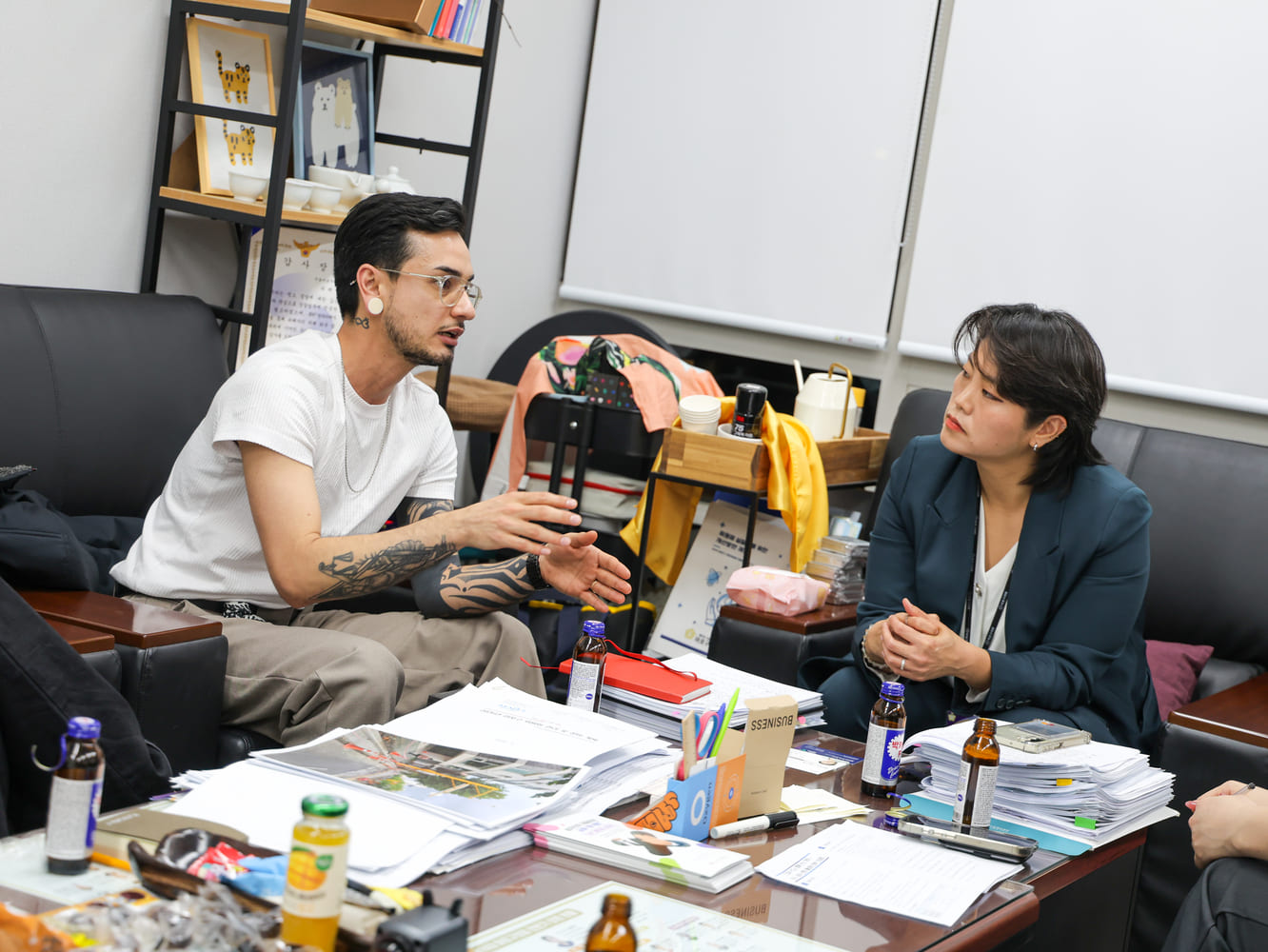
11. 여러 국가의 제도 안에서 자신의 정체성을 인정받는 과정도 경험하셨습니다.
해외에 사는 트랜스젠더 멕시코인이 자신의 성별 정체성에 맞게 출생증명서를 정정할 수 있도록 하는 법적 절차에 참여하셨습니다. 가장 어려웠던 점은 무엇이었나요? 개인의 경험이 다른 사람들을 위한 제도적 변화로 이어진다는 것은 어떤 의미였나요?
You participated in legal efforts to enable trans Mexican citizens living abroad to update their birth certificates to reflect their gender identity. What was most difficult about that process? What did it mean to connect a personal struggle with institutional change for others?
마테오 Mateo
의료 접근권을 위해 활동하면서, 제 권리를 찾는 데 그치지 않고 저와 비슷한 다른 사람들에게도 길을 열어두는 것이 중요하다고 배웠습니다. 제가 모르거나 한 번도 만난 적 없는 사람들에게도요. 이번 일도 그런 기회였습니다.
My earlier work on healthcare access had taught me to fight not only for myself, but also to create entry points for others like me, including people I might never meet. This was another opportunity to do that.
Victory를 통해 여러 분야의 리더들을 만났고, 그 과정에서 한 변호사와 연결됐습니다. 그는 멕시코 영사관들과 외교 당국을 통해 해외 거주 트랜스젠더의 이름과 성별 표기를 정정할 수 있도록 하는 일을 추진하고 있었습니다.
Through Victory, I had met leaders from many sectors and connected with a lawyer working with Mexican consulates and foreign affairs authorities to enable trans people abroad to update their names and gender markers.
당시 멕시코의 일부 주에서는 이미 정정할 권리가 있었지만, 해외 거주자를 위한 절차는 없었습니다. 멕시코에 돌아갈 수 없거나 그럴 비용이 없다는 이유로 권리를 행사하지 못해서는 안 된다고 생각했습니다. 저희는 미국 여러 주에서 같은 장벽을 겪는 사람들을 모았습니다. 이중국적자도 많아서, 서로 다른 나라의 서류상으로 서로 다른 정체성을 가진 채 살아가고 있었습니다.
Some Mexican states already recognized that right, but there was no process for people living abroad. Being unable to return to Mexico, or unable to afford the journey, should not mean losing access to a right. We brought together people across U.S. states who faced the same barrier. Many held dual citizenship and were effectively living with different identities in different countries’ records.
이런 상황은 일상에서 많은 문제를 만듭니다. 활동에 참여하면 제 존재가 많이 드러날 것이고, 특히 멕시코에서는 트랜스젠더라는 이유로, 목소리를 내거나 정부에 이의를 제기한다는 이유로 폭력을 겪을 수 있다는 것도 알고 있었습니다. 그래도 참여하는 데 망설임은 없었습니다.
That creates many practical problems. I knew participating would make me visible, and that in Mexico people can face violence for being trans, speaking publicly, or challenging the government. Nevertheless, I did not hesitate.
제게 가장 직접적인 동기는 투표였습니다. 여권이나 관련 서류가 정정되지 않으면 투표할 수 없는 상황이었습니다. 미국에서 트럼프의 당선을 경험한 직후였기에 다음 멕시코 대통령 선거에 참여하는 것은 더욱 중요했습니다. 제 자신을 위해서도 서류를 바로잡아야 했습니다.
My most immediate motivation was voting. Without updated documents, I was unable to vote. Having just experienced Trump’s election in the United States, participating in Mexico’s next presidential election felt especially important. I needed to resolve the issue for myself as well.
그런 일을 계속하게 만드는 힘은 무엇인가요?
What motivates you to keep doing this work?
마테오 Mateo
개인적인 경험에서 출발합니다. 저는 정보를 찾는 방법도 알고, 제도에 관해 아는 것도 있고, 폭넓은 네트워크도 있습니다. 그런데도 장벽에 부딪힙니다. 그렇다면 제도를 접해본 적도 없고 자신의 권리도 모르는 사람은 어떻게 해야 할까요? 지금의 저에게도 어렵다면, 이런 지식과 관계가 없던 몇 년 전의 저에게는 얼마나 더 어려웠을까요?
It begins with personal experience. I know how to research, I understand parts of the system, and I have a substantial network. Yet I still encounter barriers. What happens to someone who has never dealt with the system and does not know their rights? If it is difficult for me now, how much harder would it have been for me before I had that knowledge and those connections?
그래서 배운 것에 책임을 지는 일이 중요합니다. 제 몸과 경험을 걸고 나서서 다른 사람들이 마주할 상황을 조금이라도 낫게 만드는 것입니다.
I feel a responsibility to act on what I have learned, to put my own experience and myself on the line to improve things for other people.
12. 트랜스 남성으로서 정치와 정부 안에서 일한다는 것은 어떤 경험이었나요?
의회와 정부, 시민사회에서 일하면서 트랜스 남성이라는 정체성은 정치와 권력을 이해하는 데 어떤 영향을 주었나요? 정체성을 드러내고 정치기관 안에서 일하며 특별히 기억에 남는 경험이 있나요?
How has being a trans man shaped your understanding of politics and power across Congress, government, and civil society? Is there an experience of working openly as trans inside a political institution that has stayed with you?
마테오 Mateo
제가 의회에서 일하던 당시의 상황은 지금과 많이 달랐습니다. 트랜스젠더들이 의회 안에서 정체성을 숨겨야 했던 시기의 마지막 무렵이었다고 느낍니다. 그전에 저희가 들었던 이야기는 트랜스젠더 여성 한 명이 정체성이 알려진 뒤 해고됐다는 것이 전부였습니다.
The situation when I worked in Congress was very different from today. I feel I was there toward the end of a period when trans people were largely expected to remain hidden. The only story we had heard was of a trans woman who had been fired after her identity became known.
제가 들어갔을 때, 제가 알기로 공개적으로 트랜스젠더임을 밝힌 사람은 저뿐이었습니다. 정체성을 공개하지 않은 분들은 있었고요. 그런 상황에서 정체성을 드러낸 채 정규 보좌진으로 채용될 수 있으리라고 상상하기는 어려웠습니다.
When I arrived, I was the only openly trans person I knew of, although there were others who were not out. It was difficult to imagine obtaining a permanent congressional staff role while being openly trans.
그래도 열심히 지원했고 최종 면접까지 갔습니다. 이름을 밝히지는 않겠지만, 매우 영향력 있는 의원실의 비서실장 면접까지 갔다가 탈락한 일이 있습니다. 제가 인턴으로 일하던 의원실의 비서실장과 가까웠기에 찾아가 물었습니다. “면접은 계속 보는데 왜 채용되지 않는 걸까요? 피드백을 주실 수 있나요?”
Nevertheless, I applied persistently and reached final interviews. In one case, involving a very senior member whom I will not name, I reached the Chief of Staff interview but did not get the job. I returned to the Chief of Staff in the office where I had interned, with whom I had a close relationship, and asked for feedback: “I am getting interviews. Why do you think I am not being hired?”
그는 솔직하게 말해주었습니다. “사람들이 트랜스젠더를 채용하는 걸 두려워해. 그러면 의원이 트랜스젠더 의제를 지지해야 한다는 부담을 느낄 수 있으니까.” 그 말을 듣고 제가 아무리 노력해도 넘기 어려운 장벽이 무엇인지 알았습니다. 그 솔직한 답변은 제 진로와 앞으로 힘을 쏟을 분야를 바꾸어 놓았습니다.
He gave me an honest answer: “People are scared to hire a trans person because the member may then feel compelled to support trans issues.” That helped me understand the barrier, regardless of how hard I worked. His honesty changed the direction of my career and where I wanted to focus my efforts.
지금은 상황이 달라져 기쁩니다. 트랜스젠더 보좌진들이 활동하고 있고, 사라 맥브라이드라는 트랜스젠더 연방하원의원도 있습니다. 당시와 비교하면 큰 변화입니다. 저 역시 그때의 장벽 때문에 다른 여정을 걷게 됐지만 그 과정에서 얻은 것들이 있습니다. Victory 같은 조직이 계속 트랜스젠더 참가자들을 의회 인턴십으로 연결한 것도 변화의 한 부분이었다고 생각합니다.
I am happy that things have changed. Trans people now work as congressional aides, and Sarah McBride is a trans congresswoman. It is a dramatic difference. Although the barriers I faced led me down another path, I value that journey too. Organizations such as Victory, which continued bringing trans participants into congressional internships, were part of that change.
의회에서 일자리를 얻지 못한 뒤 오바마 행정부에서 일하게 된 과정도 들려주세요.
How did you move into the Obama administration after struggling to find a congressional position?
마테오 Mateo
Victory의 미국 프로그램 디렉터였던 분이 오바마 행정부로 옮겨 보건복지부의 인재 채용을 담당하게 됐습니다. 라틴계와 AAPI 협의체를 맡을 자리가 생겼는데 제 경험과 잘 맞았습니다.
Victory’s former Director of U.S. Programs had moved into the Obama administration and was involved in hiring for the Department of Health and Human Services. When a position coordinating the Latino and AAPI groups opened, my experience was a natural fit.
저는 당시 아주 젊었습니다. 오바마 대통령은 젊은 리더를 키우는 데 강한 의지가 있었고, 그것이 채용 방향에도 반영됐습니다. 그분에게 전화를 받고 사무실에서 앞으로 어떤 일을 하고 싶은지 이야기했던 기억이 납니다. 그분도 트랜스젠더 남성이었고, 제게 중요한 멘토였습니다. 처음 Victory 인턴십에 참여할 때도, 이후 오바마 행정부에서 일하게 됐을 때도 그분이 기회를 연결해 주었습니다.
I was very young. President Obama placed a strong emphasis on developing young leaders, and that informed hiring. I remember receiving a call inviting me to his office to discuss what I wanted to do next. He was also a trans man and became an important mentor. He had helped connect me to my first Victory internship and later to the opportunity in the administration.
13. 트랜스 남성의 정치적 경험은 충분히 이야기되고 있을까요?
성소수자 공동체 안에서도 어떤 경험은 더 많이 조명되고, 어떤 경험은 덜 드러납니다. 트랜스 남성이 정치에 참여할 때 마주하는 장벽이나 기회는 무엇인가요? 리더십 프로그램에서는 트랜스젠더 공동체 내부의 다양성을 어떻게 반영하나요?
Some experiences receive more attention than others within the LGBTQ+ community. What barriers or opportunities do trans men encounter in politics? How do your leadership programs reflect diversity within trans communities?
마테오 Mateo
저희가 활동하는 많은 나라에서 트랜스젠더라고 하면 가장 먼저 트랜스젠더 여성을 떠올립니다. 트랜스매스큘린 정체성이 드러나는 데에는 여전히 큰 장벽이 있습니다. 논바이너리 정체성은 공적 논의에서 비교적 최근에 가시화됐지만, 때로는 트랜스매스큘린보다 더 많은 대표성을 확보한 모습도 보입니다.
In many countries where we work, people think first of trans women when they hear about trans identities. There are still significant barriers to transmasculine visibility. Nonbinary identities have become more visible in public discussion relatively recently, yet we sometimes see more nonbinary than transmasculine representation.
제가 아는 범위에서는 공개적으로 트랜스 남성임을 밝히고 국가 의회에 당선된 사례는 아직 없습니다. 그보다 낮은 수준의 선거에서는 출마와 당선이 있었지만, 국가 의회라는 장벽은 아직 넘지 못한 것으로 알고 있습니다.
To my knowledge, no openly trans man has yet been elected to a national legislature. There have been candidacies and victories at other levels, but as far as I understand, that national barrier has not yet been crossed.
프로그램에서는 이미 제도 안에서 활동하는 사람과 제도 밖에 있는 사람 모두를 포함해 다양한 경험을 모으려 합니다. 참여자 구성의 목표도 있습니다. 여성과 남성이 각각 절반을 이루고, 전체 참여자의 25%가 트랜스젠더가 되도록 노력합니다. 트랜스젠더 참여자 안에서도 여러 경험을 담으려 하고요. 소수의 예외적인 인물에게만 기대가 집중되는 구조를 되풀이하고 싶지 않습니다.
Our programs bring together a range of experiences, including people already active within institutions and those outside them. We also have participation goals: we aim for an equal balance of women and men, with trans people making up 25 percent of participants. Within that group, we seek diverse experiences rather than concentrating expectations on a few exceptional individuals.
핵심은 트랜스젠더가 살아온 경험을 존중하고, 그 경험이 정치적 실천으로 이어질 수 있도록 돕는 것입니다.
The central task is to value trans people’s lived experiences and help translate them into political action.
삶의 경험을 정치로 연결한다는 것은 구체적으로 어떤 일인가요?
What does translating lived experience into politics look like in practice?
마테오 Mateo
제 경우와 비슷합니다. 의료서비스를 이용하기 위해 싸운 경험이 제 필요를 정치적으로 요구하는 출발점이 됐습니다. 다른 사람에게도 트랜스젠더라는 정체성 자체만이 아니라, 그 정체성 때문에 영향을 받는 삶의 여러 영역이 있습니다.
It is similar to my own journey. Fighting for healthcare access became the starting point for expressing my needs politically. For others, it is not only about being trans, but about the different parts of life affected by that identity.
예를 들어 가족을 돌보는 트랜스젠더가 많습니다. 정체성과 일치하는 신분증이 없으면 돌보는 가족을 위한 공적 지원을 신청하는 데 어려움이 생길 수 있습니다. 병원에 입원한 다른 트랜스젠더를 돌보고 있지만 필요한 정보를 받지 못하는 경우도 있고요.
Many trans people care for family members. Without identification that matches their identity, they may struggle to obtain state support for the person they care for. A trans person caring for another trans person in hospital may also be denied information they need.
우리는 사람들이 자신의 이야기와 여정에서 힘을 찾고, 원하는 개혁과 정의를 위해 행동하도록 돕습니다. 트랜스젠더 공동체에서 성노동 경험이 그런 계기가 되기도 합니다. 노동권과 안전한 노동환경, 범죄화의 문제는 서로 연결되어 있습니다. 범죄화되면 활동이 음지로 밀려나고 안전은 더 위협받습니다. 그 과정에서 많은 폭력을 겪습니다.
We help people find power in their stories and use it to pursue reform and justice. For some, experiences of sex work within trans communities are a starting point. Labor rights, safe working conditions, and criminalization are connected. Criminalization pushes activities underground, making them less safe and exposing people to violence.
그래서 저는 우리를 그림자 밖으로, 빛이 있는 곳으로 나오게 해야 한다고 말합니다. 어떤 일을 했거나 어떤 방식으로 살아남아야 했다는 이유로 다른 사람을 대표할 자격이 없는 것은 아닙니다.
That is why I talk about bringing us out of the shadows and into the light. The work someone has done, or the way they have had to survive, does not make them unworthy of representing others.
Ⅳ. 정치 리더를 만드는 사람들
The People Behind Political Leadership
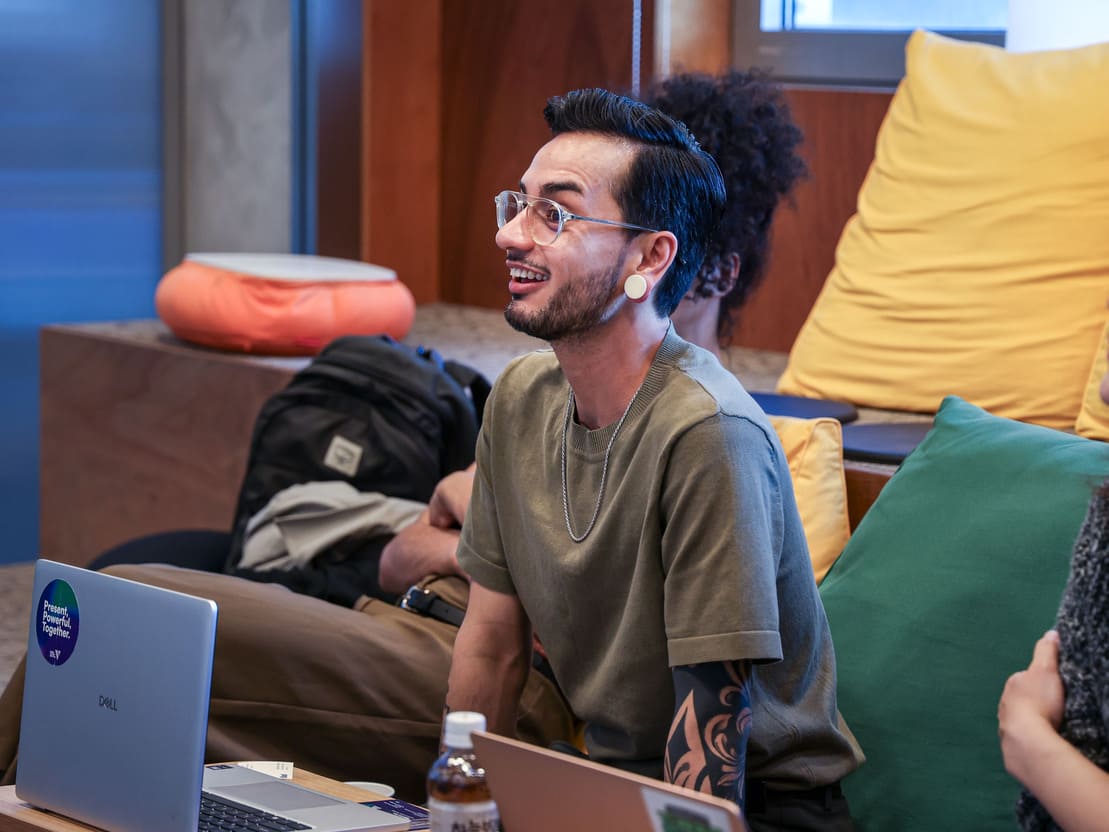
14. Victory Institute 글로벌 프로그램팀은 어떻게 운영되고 있나요?
성소수자 정치 리더를 발굴하고 육성하는 일이 하나의 전문적인 직업이라는 사실이 낯선 독자들도 있을 것 같습니다. 팀은 몇 명으로 구성되어 있고, 각자 어떤 배경과 역할을 가지고 있나요? 여러 나라의 파트너와 일하는 일상은 어떤 모습인가요?
Some readers may be unfamiliar with political leadership development as a profession. How large is your team, and what backgrounds and roles do its members have? What does your day-to-day work with international partners involve?
마테오 Mateo
글로벌 프로그램팀은 Victory Institute에서 가장 작은 팀입니다. 프로그램 개발에서는 상당히 독립적으로 일하고 있고, 네 명으로 구성되어 있습니다.
Global Programs is Victory Institute’s smallest team. We work fairly independently in developing our programs, and there are four of us.
글로벌 프로그램 부대표인 알헬리는 국제법을 공부했습니다. 유럽에서 공부했고, Victory에 오기 전에는 멕시코에서 여성의 권리를 옹호하는 활동을 했습니다. 저는 앞서 말씀드렸듯 트랜스젠더 인권운동을 통해 정치에 참여하게 됐고, Victory에서 6년째 일하고 있습니다.
Alhelí, our Vice President of Global Programs, has a background in international law. She studied in Europe and worked on women’s rights in Mexico before joining Victory. As I mentioned, I came through trans advocacy and became politically engaged through that work. I have now been at Victory for six years.
약 2년 반 전에 합류한 동료도 있습니다. 제가 알기로 그가 살던 멕시코의 주는 주정부 차원의 LGBTQ 담당 부서를 처음 만든 곳이었습니다. 주로 성소수자들이 겪는 폭력을 다루는 부서였고, 그 동료가 초대 책임자를 맡았습니다. Victory에 오기 전에는 그렇게 임명직으로 일했습니다.
Another colleague joined around two and a half years ago. As I understand it, the Mexican state where he lived was the first to establish a state-run LGBTQ+ affairs office, focused largely on violence against LGBTQ+ people. He was its first director and held that appointed role before joining us.
최근에는 벨라가 합류했습니다. Human Rights Campaign에서 대학 대상 프로그램을 통해 청년 조직활동을 해온 동료입니다.
Bella has joined more recently, coming from the Human Rights Campaign, where she worked on youth organizing through a university-focused program.
‘평범한 한 주’는 사실 없습니다. 진행하는 프로그램에 따라 늘 달라집니다. 다만 2년마다 여는 컨퍼런스는 1년 이상 준비하려고 합니다. 지금은 내년 말에 열 다음 컨퍼런스 준비를 시작하고 있습니다.
There is no typical week. It depends on the programs underway. One recurring commitment is our conference every two years, which we try to begin planning more than a year in advance. We are now starting preparations for the next conference toward the end of next year.
그 준비의 많은 부분은 네트워크 안의 사람들과 대화하는 것입니다. 저희의 모든 일은 관계를 바탕으로 합니다. 개별 리더뿐 아니라 그들을 지속적으로 지원하는 조직들과도 관계를 유지합니다. 이메일을 많이 쓰는 날도, 통화를 많이 하는 날도 있고, 어느 나라에서 무슨 프로그램을 진행하는지에 따라 달라집니다.
Much of that means talking with people in our network. All our work is relationship-based. We maintain connections with individual leaders and the organizations that support them. Some days involve many emails, others many calls, depending on where and how we are working.
선거가 있는 나라에서는 ‘Vote for Equality’ 캠페인을 진행하기도 합니다. 누가 출마하고 어떤 의제가 논의되는지, 공개적으로 활동하는 성소수자 후보는 있는지 살펴보고 필요한 지원을 합니다. 미디어 트레이닝일 수도 있고, 선거 과정에서 어떻게 지내는지, 정신건강은 괜찮은지 일대일로 이야기하는 것일 수도 있습니다. 멘토를 연결하기도 하고요.
In an election year, we may run a Vote for Equality campaign, examining who is running, which issues are being discussed, and whether there are openly LGBTQ+ candidates. We then provide support in different forms: media training, individual conversations about well-being and mental health during elections, or connections to mentors.
저희 프로그램은 교육훈련, 연구, 유권자 인식 제고, 멘토링, 펠로십, 컨퍼런스까지 다양합니다.
Our programs include training, research, voter awareness, mentoring, fellowships, and conferences.
15. 정치인이 등장하기 전, 가장 보이지 않는 노동은 무엇인가요?
출마 선언과 당선은 눈에 띄지만, 그 사람이 정치에 관심을 갖고 준비하며 도전하기까지의 과정은 잘 드러나지 않습니다. 리더를 발굴하고 성장시키는 과정에서 가장 과소평가되는 일은 무엇인가요? 아직 자기 가능성을 확신하지 못하는 사람에게 실무자는 어떤 역할을 해야 하나요?
We see candidacy announcements and election victories, but rarely the work that helps someone become interested, prepare, and decide to run. What is most overlooked in leadership development? What should professionals do for people who are not yet sure they belong in politics?
마테오 Mateo
미국에 야구장을 만드는 영화가 있는데, “만들어 놓으면 사람들이 올 것이다”라는 유명한 말이 나옵니다. 프로그램도 그렇게 생각하기 쉽습니다. 만들면 사람들이 올 것이라고요. 저도 어느 정도는 맞는 말이라고 생각합니다.
There is a well-known American film about building a baseball field, associated with the phrase “If you build it, they will come.” People sometimes approach programs in the same way: create one, and participants will arrive. I think that can be true.
그런데 이미 똑똑하고 정치에 참여하는 사람들 중에서도 자신을 중요한 행위자로 보지 못하는 경우가 많습니다. 그래서 저희는 그들이 자신의 힘을 발견하도록 돕는 데 많은 시간을 씁니다.
But many people are already intelligent and politically engaged without seeing themselves as important actors. We spend a great deal of time helping them recognize their own capacity.
일대일 관계를 만들고 그 사람의 여정을 오래 따라가며 곁을 지킬수록, 그 사람이 더 가시적인 자리로 나아갈 가능성도 커집니다. 이런 보이지 않는 관계의 노동이 그들의 여정을 지탱해 왔다고 생각합니다. 여기서 성공은 꼭 당선을 뜻하지 않습니다. 정치에 계속 남고, 그 경험을 지속할 수 있다는 뜻입니다.
The longer you build a one-to-one relationship and accompany someone through their journey, the more likely they are to enter more visible spaces. That often-invisible relationship work has helped people sustain their political lives. By success, I do not necessarily mean winning. I mean staying in politics and having an experience they can sustain.
그렇게 넓은 네트워크가 만들어지고, 지원받았던 사람들은 다음 세대의 멘토가 됩니다. 그래서 무조건 등을 떠미는 것이 중요하지는 않습니다. 격려하되 그 사람이 안전하다고 느끼고 감당할 수 있는 범위를 넘어 밀어붙이지 않아야 합니다. 계속할 수 있을 만큼 한 걸음씩 나아가도록 돕는 것이죠.
Those relationships create a wider network, and people who received support become mentors to others. It is not about pushing someone at any cost. We encourage them without taking them beyond what is safe or manageable, helping them move forward at a sustainable pace.
그래야 관계 안에 남아 새로운 사람들에게도 힘이 될 수 있습니다. 프로그램 실무자와 개별 리더 사이의 일대일 관계가 지속 가능성을 만드는 핵심이라고 생각합니다.
That allows them to remain connected and contribute to those who come next. The relationship between program staff and individual leaders is central to making this work sustainable.
16. 지원받는 청년에서 다른 사람을 지원하는 사람이 되었습니다.
2015년 인턴십 참가자였던 마테오 님은 이제 여러 나라의 정치 리더를 지원하고 있습니다. 그동안 리더십에 대한 생각은 어떻게 달라졌나요? 새로운 사람을 만났을 때 정치 리더로서의 가능성은 무엇으로 알아보시나요?
You went from being an intern in 2015 to supporting political leaders in different countries. How has your understanding of leadership developed? What do you look for when you meet someone who might become a political leader?
마테오 Mateo
생각이 바뀌었다기보다는 성장했다고 말하고 싶습니다. 리더십에는 여전히 정서적으로 깊이 연결되어 있습니다. Victory에서 배운 리더십은 서번트 리더십, 곧 다른 사람을 섬기는 리더십에 가까웠습니다. 제게 리더십은 봉사를 가장 깊이 실천하는 일이기도 합니다. 정치 리더에게 기대하는 것이자 프로그램에서 가르치는 것이죠.
Rather than saying my thinking has changed, I would say it has grown. I still feel a deep personal connection to leadership. What I learned at Victory was rooted in servant leadership. To me, leadership is a profound expression of service. That is what I expect of political leaders and what we teach.
리더가 된다는 것은 늘 정답을 안다거나 남보다 뛰어나다는 뜻이 아닙니다. 다른 사람을 위해 일할 책임을 맡는다는 뜻입니다. 그래서 저는 언제나 봉사라는 기준으로 돌아옵니다.
Being a leader does not mean always having the right answer or being better than everyone else. It means accepting responsibility to serve others. I always return to that principle.
물론 상황이 사람을 바꾸기도 하고, 리더의 자리에 서는 경험이 사람을 바꾸기도 합니다. 권력이 있든 없든 권력은 개인에게 큰 영향을 줍니다. 그럴수록 처음 무엇 때문에 이 일을 시작했는지 돌아봐야 합니다. 그 목적이 봉사에서 멀어졌다면 공동체와 다시 연결되도록 노력해야 합니다.
Circumstances can change people, and taking on leadership can change them too. Power affects a person profoundly, whether they have it or lack it. That makes it important to return to the purpose that brought us here. If that purpose has moved away from service, we need to reconnect with community.
그렇다면 처음 만난 사람에게서 가장 먼저 보는 것은 무엇인가요?
What do you look for first in a potential leader?
마테오 Mateo
말을 얼마나 잘하는지, 좋은 인맥을 가졌는지가 먼저는 아닙니다. ‘좋은 사람인가? 다른 사람을 생각하는가? 사람들을 위해 일해야 한다는 마음이 있는가?’를 봅니다.
My first concern is not whether someone is a strong speaker or has the right connections. I ask: Are they a good person? Do they care about people? Do they feel called to serve?
다른 기술은 배울 수 있습니다. 말하는 법, 법안을 쓰는 법, 정부의 구조는 가르칠 수 있습니다. 하지만 좋은 사람이 되는 법, 사람들을 섬기는 리더가 되는 법을 가르치는 것은 훨씬 어렵습니다.
Other skills can be learned. We can teach public speaking, bill drafting, and the structure of government. Teaching someone to be a good person and a leader committed to service is much harder.
누구에게나 기술을 가르칠 수 있지만, 리더십의 핵심 가치가 없다면 무엇이 달라질까요? 우리와 도움이 필요한 사람들을 중심에 두지 않는 정치가 반복될 것입니다. 그래서 처음 참가자를 만났을 때는 그런 가치를 봅니다.
We can teach skills to anyone, but without those core values, what will change? We risk reproducing politics that does not center our communities or people in need. Those are the values I look for when I first meet a participant.
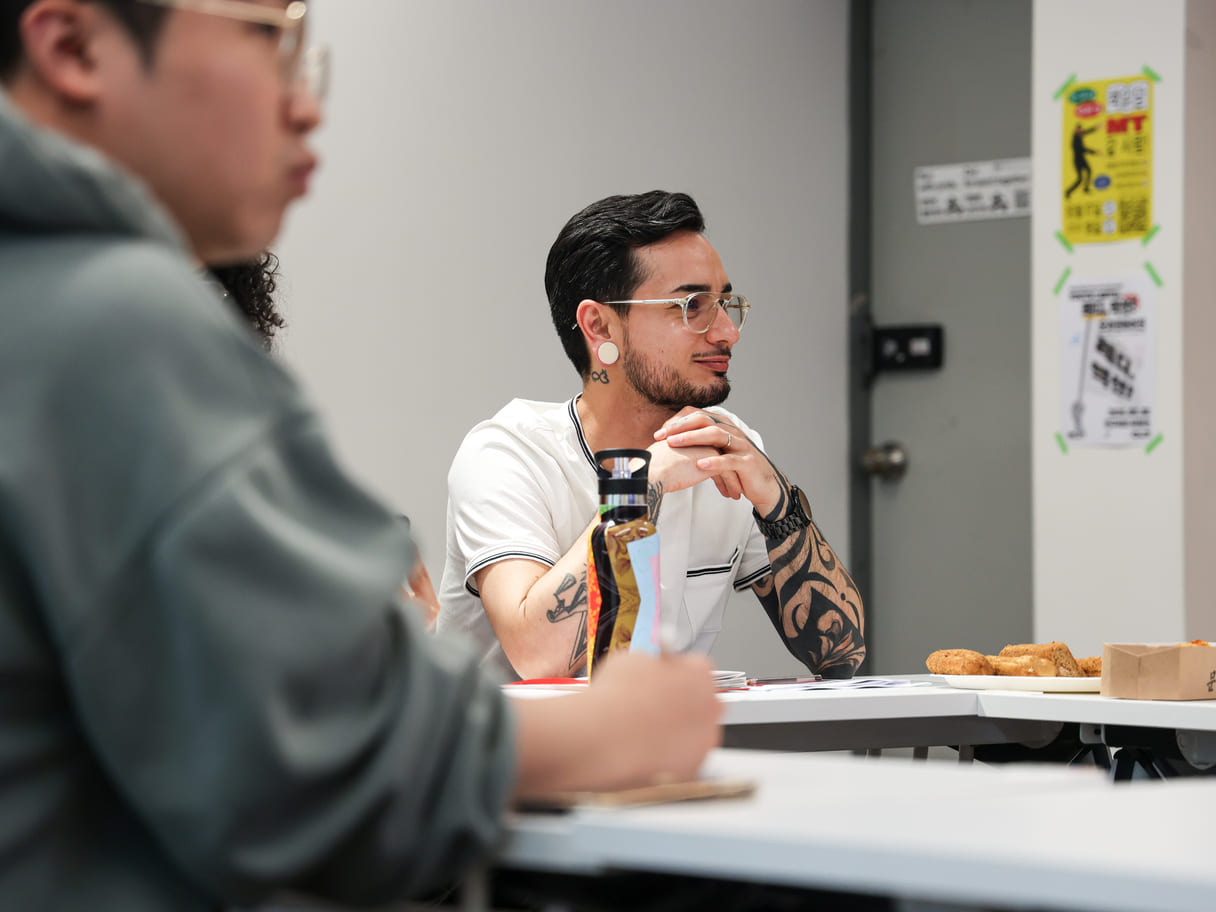
17. 좋은 정치 리더십 프로그램은 무엇을 남겨야 할까요?
프로그램의 성과는 참가자 수, 만족도, 교육 횟수로 설명되기 쉽지만 정치적 성장은 오랜 시간이 걸립니다. Victory Institute는 성공을 어떻게 판단하나요? 참가자의 이후 활동은 어떻게 살피고, 출마하지 않은 사람들의 성과는 어떻게 보시나요?
Programs are often evaluated through participation, satisfaction, and the number of training sessions, while political development can take years. How does Victory Institute define success and follow participants’ progress? How do you recognize the contributions of those who never run for office?
마테오 Mateo
저희가 지원했거나 프로그램을 거친 사람 중 몇 명이 당선됐는지만 보지는 않습니다. 그 사람들이 활동하는 환경을 봅니다. 정치에 참여하기가 더 쉬워졌다고 느끼는가, 자신이 속할 정치적 공동체를 찾았는가, 네트워크와 연결된 뒤 외로움이 줄었는가를 묻습니다.
We do not look only at how many people we supported or trained have been elected. We look at the environment in which they operate. Do they find participation easier? Have they found a political home? Has their sense of loneliness changed through the networks they have joined?
물론 참가자 수와 배움에 대한 평가도 측정합니다. 하지만 관계를 맺고 있어야만 알 수 있는 것들이 있습니다. 눈에 잘 보이지 않는 그런 변화가 다음에 무엇을 해야 할지 알려주는 중요한 지표입니다.
Of course, we measure participation and learning. But some changes become visible only through sustained relationships. Those less tangible experiences are important indicators of what we should do next.
같은 프로그램을 계속 반복하는 것이 목표는 아닙니다. 오히려 그 반대입니다. 지금 이 순간에 필요한 프로그램, 오늘과 내일의 리더에게 필요한 프로그램을 만들어야 합니다. 기존 사업을 계속해야 하는 이유를 찾기보다, 다음에 무엇을 만들어야 하는지 이해해야 합니다.
Repeating the same program is not the goal. We need programs for the present moment and for the leaders of today and tomorrow. The question is not how to justify continuing the same work, but whether we understand what needs to be built next.
출마나 당선 이후의 활동은 어떻게 살피나요? 직접 후보자가 되지 않고도 정치적 변화를 만드는 참가자들이 있나요?
How do you track candidacies and elected officials? What about participants who make a political impact without becoming candidates?
마테오 Mateo
참가자 중에는 정부의 임명직을 맡거나 정당 안에서 리더가 되는 사람이 많습니다. 나중에 출마할 수도 있지만, 지금도 제도 안에서 중요한 영향을 미칩니다. 후보를 정하거나 예산을 배분하는 의사결정의 공간에 새로운 성소수자 리더들을 데려가고 멘토링할 수 있으니까요.
Many participants take appointed government positions or become leaders within political parties. They may run for office later, but they already have institutional influence. They can mentor and bring emerging LGBTQ+ leaders into spaces where candidacies or budgets are decided.
선거에 나서는 사람뿐 아니라 정치의 여러 영역에 사람이 필요합니다. 저희는 그런 자리에서도 많은 성과를 보았습니다.
We need people across political life, not only in elections. We have seen meaningful achievements in those other roles.
활동을 파악하기 위해 지역 차원의 연구를 진행합니다. 직접 프로그램을 운영하지 않는 나라에도 현지 파트너가 있어서 그 관계를 통해 살펴볼 수 있습니다. ‘Vote for Equality’ 캠페인에서는 선거에서 우리의 권리와 관련해 무엇이 결정되는지 알리고, 공개적으로 출마하는 성소수자 후보들의 정책과 입장이 더 널리 전달되도록 돕습니다.
Regional research helps us follow this work, including in countries where we do not run programs directly but have local partners. Through Vote for Equality campaigns, we also highlight what an election means for our rights and amplify the platforms of openly LGBTQ+ candidates.
Ⅴ. 아메리카 대륙의 정치적 대표성과 글로벌 프로그램의 변화
Political Representation Across the Americas
18. 미국 밖 아메리카 대륙의 성소수자 정치참여는 어떤 상황인가요?
한국에서는 성소수자 정치참여를 이야기하면 미국을 먼저 떠올리기 쉽습니다. 하지만 마테오 님은 멕시코, 콜롬비아, 브라질, 페루 등에서도 활동해 오셨습니다. 미국 밖 아메리카 대륙에서 대표성은 어떻게 확대되고 있고, 어떤 장벽이 남아 있나요? 한국 독자들이 주목할 만한 변화는 무엇인가요?
In Korea, discussions of LGBTQ+ political participation often begin with the United States. But you have also worked across Mexico, Colombia, Brazil, Peru, and elsewhere. How is representation developing across the Americas beyond the United States? What barriers remain, and which changes should Korean readers pay attention to?
마테오 Mateo
이제 라틴아메리카에서 공개적으로 활동하는 성소수자의 정치참여는 부정하기 어려운 현실이 됐습니다. 성소수자의 존재 자체를 부정할 수 없는 지점에 이른 것이죠. 동시에 지역 전체에서 그만큼 가시적으로 등장한 데 대한 반발도 겪고 있습니다.
Openly LGBTQ+ political participation has become an undeniable reality in Latin America. We have reached a point where our existence cannot simply be dismissed. At the same time, we are facing a backlash against the visibility we have gained across the region.
미국과 캐나다를 제외한 아메리카 대륙의 성소수자 선출직 수를 모두 합쳐도 미국의 규모에는 미치지 못합니다. 그래도 대표성이 크게 확대되는 물결을 경험했습니다. 권리와 정치적 대표성, 제도적 포용에서 많은 진전을 이루었고, 세 나라에는 트랜스젠더의 투표권을 보호하는 별도의 절차도 마련되어 있습니다. 지금은 그 진자가 다시 반대 방향으로 움직이는 시기라고 생각합니다.
Even combined, the countries of the Americas outside the United States and Canada do not have as many openly LGBTQ+ elected officials as the United States. Nevertheless, we have experienced significant waves of representation. There has been progress in rights, political representation, and institutional inclusion, including specific procedures to protect trans voters in three countries. I believe the pendulum is now swinging back.
팬데믹은 이런 권리의 전환점이기도 했습니다. 여러 나라에서 정부가 코로나19 대응 과정에서 사람들을 성별에 따라 나누었고, 선거 과정에서도 그런 조치가 있었습니다. 그 경험은 ‘남성은 이쪽, 여성은 저쪽’으로 구분하는 것이 간단하지 않다는 사실을 보여주었습니다. 특히 트랜스젠더의 문제가 공적으로 논의되고 제도가 나아갈 계기가 되었습니다.
The pandemic also marked a turning point. In several countries, governments used gender-based restrictions in their COVID responses, including around elections. Those experiences showed that dividing people into “men here, women there” was not straightforward. They created opportunities for trans people’s concerns to be discussed and addressed.
물론 여전히 어려운 나라가 많습니다. 공개적으로 커밍아웃한 선출직 정치인이 한 명도 없었던 곳도 있습니다. 갈 길이 멉니다. 하지만 자신을 하나의 나라에만 속한 존재가 아니라 더 넓은 지역 공동체의 일부로 바라보면, 변화가 불가능하게만 느껴지지는 않습니다.
Many countries still face serious difficulties. Some have never had an openly LGBTQ+ elected official. There is a long way to go. But when we see ourselves as part of a regional community rather than as one country alone, change feels less impossible.
저는 결국 변화가 올 것이라고 믿습니다. 다만 어떻게 준비하고 정보와 지원, 멘토를 확보하느냐는 중요합니다. 그 준비는 서로 계속 연결되어 있었기에 가능했습니다.
I believe it will happen. How we prepare, and how we surround ourselves with information, support, and mentors, still matters. That preparation has been possible because we have stayed connected.
19. 선거제도와 정당문화가 다른 나라에서는 어떻게 일하나요?
미국에서 효과적이었던 방식이 다른 나라에서도 그대로 통하지는 않을 것입니다. 새로운 국가에서 활동할 때 무엇을 먼저 살피나요? 현지 파트너를 어떻게 만나고, 어떤 원칙으로 프로그램을 함께 만드나요?
An approach that works in the United States may not work elsewhere. What do you examine first when beginning work in another country? How do you find local partners, and what principles guide program development?
마테오 Mateo
말씀드렸듯 저희는 반드시 현지 파트너의 초청을 받아 일합니다. 파트너와 충분히 대화하고 관계를 쌓으며, 보통은 직접 방문합니다. 그 나라의 정치제도와 구체적인 장벽, 기회를 저희에게 알려주는 것은 현지 파트너입니다. 어떤 프로그램이 필요한지에 대한 첫 제안도 그들과 그들이 만든 네트워크에서 나옵니다.
As I mentioned, we work at the invitation of local partners. We spend time talking, building relationships, and usually visiting in person. Our partners teach us about the political system, specific barriers, and opportunities. Initial proposals for programs come from them and the networks they have built.
Victory가 오랫동안 활동해 온 만큼, 저희를 알고 있거나 저희 자료를 활용했거나 다른 파트너와 연결된 조직들이 있습니다. 초청하는 조직과는 대개 그런 연결점이 있습니다.
Because Victory has worked internationally for many years, organizations may already know us, use our resources, or be connected to our other partners. There is usually an existing point of connection.
저희의 목적은 파트너를 정치참여만 하는 조직으로 바꾸는 것이 아닙니다. 이미 하고 있는 일에 정치참여라는 요소를 연결해 활동을 더 충실하게 만드는 것입니다.
We are not trying to turn partners into organizations devoted exclusively to political participation. We want to connect political participation to the work they already do and make that work more comprehensive.
가장 먼저 하는 일은 정치참여 지형을 살피는 조사입니다. 누가 참여하고 있고 무엇을 하는지 파악합니다. 선거는 ‘리더를 키워야 한다’, ‘우리 공동체의 사람들이 의사결정의 공간에 들어가야 한다’는 필요를 느끼게 하는 중요한 계기입니다.
Our first step is a landscape assessment: who is participating, and what are they doing? Elections often motivate organizations to recognize the need to develop leaders and bring community members into decision-making spaces.
선거 시기에는 ‘Vote for Equality’ 캠페인을 통해 사람들이 왜 참여하는지, 무엇이 투표를 하게 만드는지, 누구에게 투표하고 싶은지 살펴봅니다. 그 과정에서 얻은 자료가 이후 프로그램과 참가자들에게 제공할 기초가 됩니다.
Around elections, Vote for Equality campaigns help us understand what motivates participation, what would encourage people to vote, and whom they want to support. That creates a foundation for future programs and their participants.
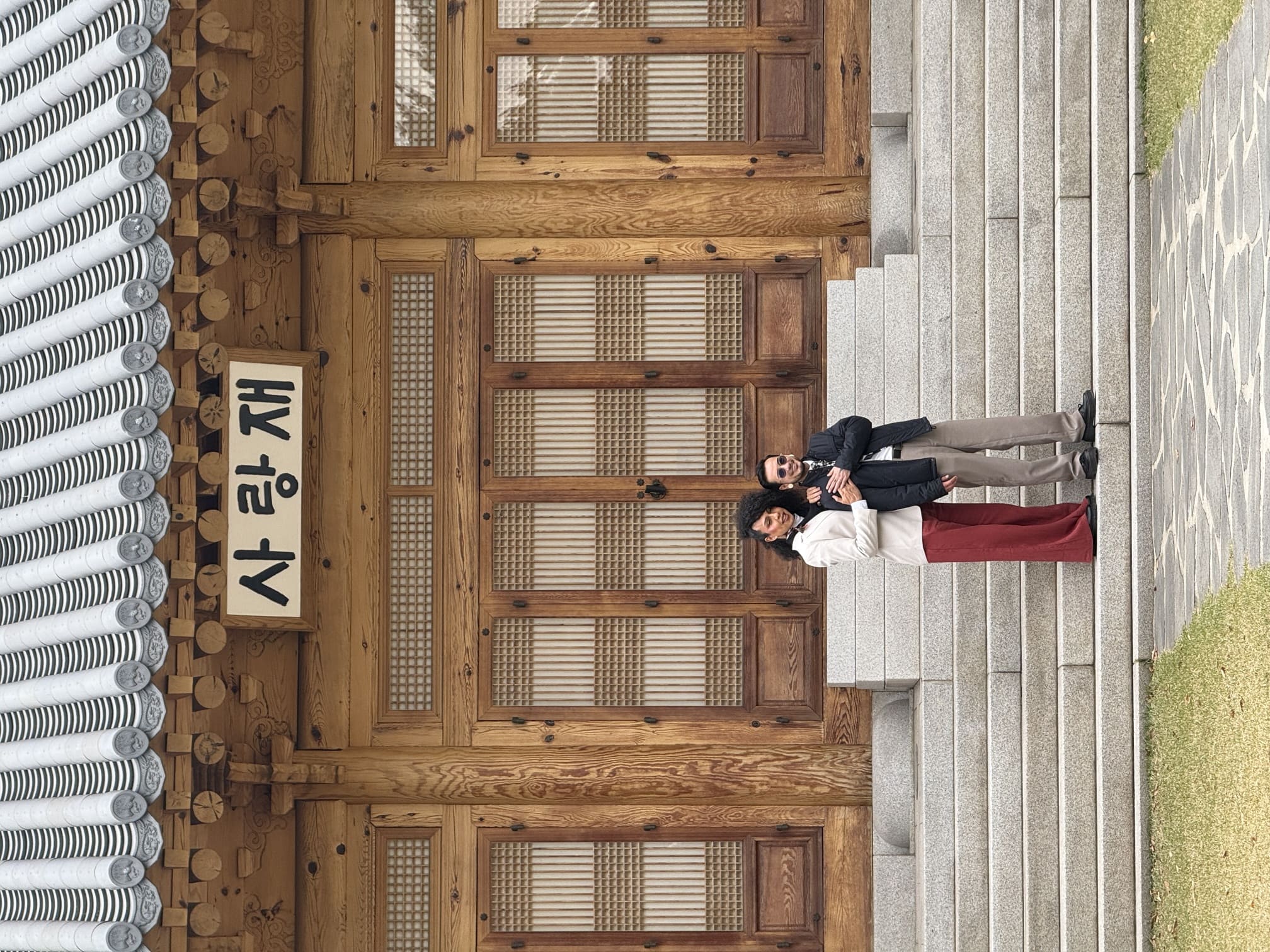
20. 성소수자의 정치참여를 데이터로 기록하는 일도 해오셨습니다.
마테오 님은 아메리카·카리브해 성소수자 정치참여 관측소의 활동에도 참여하고 계십니다. 2025년에 발표한 《Democracy Demands Equality》는 29개국의 정치참여 현황을 조사하고, 1997년부터 2024년까지 성소수자임을 공개한 61명이 국가 의회에 당선됐다는 기록과 함께 정당 내부의 차별과 참여 장벽을 다뤘습니다.
You have also been involved in the LGBTIQ+ Political Participation Observatory of the Americas and the Caribbean. Its 2025 report, Democracy Demands Equality, examined participation across 29 countries, documenting 61 openly LGBTQ+ people elected to national legislatures between 1997 and 2024, alongside persistent discrimination and barriers within political parties.
2026년 10월에는 아르헨티나, 브라질, 콜롬비아, 멕시코의 성소수자 후보자와 정치인이 경험한 정치폭력과 대응 전략을 분석한 《La política en disputa》도 발표됐습니다. 이런 연구는 어떻게 시작되었나요? 여러 나라의 경험을 어떻게 모으고, 그 결과를 실제 프로그램과 제도 변화에 어떻게 활용하나요?
In October 2026, La política en disputa examined political violence against LGBTQ+ candidates and elected officials in Argentina, Brazil, Colombia, and Mexico, and their strategies for responding. How did this research begin? How do you gather experiences across countries and use the findings to shape programs or institutional change?
마테오 Mateo
먼저 보고서를 읽어주셔서 감사합니다. 《Democracy Demands Equality》는 지역 전체를 대상으로 한 저희의 첫 연구 시도였습니다. 그전에는 개별 국가에서 연구했고, 그 결과가 정당 내부의 조직들과 협력하는 기반이 됐습니다.
First, thank you for reading the reports. Democracy Demands Equality was our first attempt at research across the region. Earlier, we had conducted country-specific studies that helped establish our work with institutions within political parties.
성소수자 유권자들이 선출직 리더에게 무엇을 기대하는지 숫자와 구체적인 요구로 제시하자 여러 나라에서 대화의 문이 열렸습니다. 그러면서 다른 나라에서도 비슷한 방식으로 함께 일해 달라는 요청이 늘었습니다. 하지만 네 명의 팀으로는 모두 감당하기 어려웠습니다. 그래서 지역 차원의 프로그램을 만들 방법을 고민했고, 국가별 활동에서 그랬듯 연구부터 시작했습니다.
Putting numbers and concrete priorities on the table, showing what LGBTQ+ people wanted from elected leaders, opened many doors. We then received requests from other countries to work with them in similar ways. A four-person team could not meet all that demand, so we began exploring regional programs. As with our country-level work, we started with research.
《Democracy Demands Equality》가 방대한 것은 약 5,000명이 응답한 설문을 바탕으로 했기 때문입니다. 평균 응답 시간이 1시간 40여 분이었습니다. 이전 4년 동안 어떤 방식으로 선거에 참여했는지 아주 세세하게 물었습니다.
Democracy Demands Equality was extensive because it drew on a survey of around 5,000 people, taking an average of an hour and forty-something minutes to complete. We asked in considerable detail how they had participated in elections over the previous four years.
지역에서 치러진 선거들을 목록으로 제시하고, 적어도 일곱 가지 참여 경로 중 자신의 경험에 해당하는 것을 고르게 했습니다. 그다음 어떤 일이 있었고, 결과는 어땠으며, 무엇이 영향을 주었고, 개인적으로 어떤 경험을 했는지 물었습니다.
We listed elections across the region and offered at least seven avenues of participation for respondents to identify their experiences. We then asked what happened, what the outcomes were, what influenced them, and what the experience had been like personally.
이를 통해 폭력 사례뿐 아니라 저희가 예상하지 못한 참여 경로와 기회도 발견했습니다. 여러 나라의 데이터를 이런 방식으로 가진 적이 없었기 때문에 많은 것을 새롭게 이해했습니다. 이주민이거나 여러 정체성이 교차하는 사람들의 상황도 구체적으로 볼 수 있었고요.
That helped us identify not only violence, but also openings and opportunities we had not anticipated. We had never had this kind of data across so many countries. We could also better understand the experiences of migrants and people with intersecting identities.
이 연구는 지역 컨퍼런스를 참가자들의 필요에 맞게 구성하는 데에도 도움이 됐습니다. 2023년 컨퍼런스에서는 서로 다른 리더들을 위한 여러 참여 경로를 마련했습니다. 성소수자 관련 교육을 한 번도 받지 못한 사람은 교육에 참여하고, 자신과 비슷한 경험을 하거나 비슷한 상황의 나라에서 온 사람을 만나고 싶은 사람은 서로 연결될 수 있도록 했습니다.
The research helped us shape our regional conference around participants’ needs. At the 2023 conference, we created different tracks for different leaders. People who had never attended LGBTQ+ training could receive it, while those seeking others with similar experiences or national contexts could find one another.
제게 가장 큰 성과는, 자기 나라에서 자원을 구하기 어려운 사람들에게 실제로 필요한 자원을 전달하고 리더로 성장할 공간을 마련했다는 점입니다.
For me, the greatest impact was getting resources to people who could not access them at home and giving them space to develop as leaders.
21. 글로벌 프로그램은 지난 10여 년 동안 무엇을 배우고 바꾸었나요?
Victory Institute는 2012년부터 국제 정치 리더십 프로그램을 발전시켜 왔습니다. 초기에는 어떤 방식으로 접근했나요? 시행착오를 통해 바뀐 생각이나, 지금 가장 중요하게 여기는 원칙은 무엇인가요?
Victory Institute has developed international political leadership programs since 2012. What did the early approach look like? What lessons have changed the way you work, and which principles matter most today?
마테오 Mateo
처음에는 교육훈련을 정말 많이 했습니다. 새로운 사람들이 정치에 참여하도록 만드는 것이 목표였으니까요. 그런데 어느 순간 질문하게 됐습니다. ‘교육이 끝난 뒤 이 사람들은 어떻게 될까? 어디로 가고 무엇을 할까?’
Initially, we did a great deal of training. The goal was to bring new people into politics. Eventually, we had to ask: what happens after the training? Where do these leaders go, and what do they do?
참가자들과 관계를 이어가면서 실제 장벽은 정당이라는 사실을 알게 됐습니다. 교육은 얼마든지 더 할 수 있습니다. 세계에서 가장 많은 교육을 받은 리더를 만들 수도 있겠죠. 하지만 좌파든 우파든 중도든, 정당이 문을 열어주지 않으면 교육만으로는 앞으로 나아갈 수 없습니다.
Through continued relationships with participants, we realized that political parties were often the barrier. We could keep providing training and produce the most highly trained leaders in the world. But if parties on the left, right, or center would not open their doors, training alone could not move people forward.
그래서 사람들이 참여하고 리더로 성장할 수 있는 환경을 함께 만들어야 했습니다. 정당과 선거기관 등 제도 차원에서 일하기 시작했습니다. 유권자 등록 시기를 알리고, 트랜스젠더가 신분증의 이름이나 성별을 바꿀 수 없는 상황에서도 어떤 권리를 행사할 수 있는지 안내했습니다.
We had to work on the environment around them. We began engaging with political parties and electoral institutions, helping people understand voter registration and the rights available to trans people who could not update their names or gender markers on identification.
하나의 프로그램이 활동의 전부가 되어서는 안 된다는 것이 큰 교훈입니다. 새로운 리더를 키우는 것뿐 아니라 그들이 들어갈 문을 열고, 들어간 뒤의 경험까지 살펴야 합니다. “정당이 자리를 줬으니 이제 알아서 하세요”라고 할 수는 없습니다.
A major lesson was that no single program should be the whole of our work. We need to develop leaders, open doors, and understand their experiences once they enter. We cannot say, “The party has given you a place; now you are on your own.”
정당 안에서 어떤 일을 겪는지 계속 알아야 하고, 내부를 더 포용적으로 바꿀 수 있도록 조직활동을 지원해야 합니다. 같은 경로를 걷는 다른 성소수자들과 정당 안에서도 공동체를 이룰 수 있어야 하니까요.
We must stay aware of what they face and support organizing within parties to make those spaces more inclusive. People need community with other LGBTQ+ members moving along similar pathways.
또 하나 배운 것은 성소수자 관련 직책만 권해서는 안 된다는 점입니다. 성소수자로서의 경험과 관점을 가지고 사회 전반의 의제를 다루는 역할로 나아가도록 격려해야 합니다.
Another lesson is not to direct leaders only toward LGBTQ+-specific roles. We should encourage them to bring their experiences and perspectives into positions addressing wider social issues.
저는 종종 “어떤 의제든 말씀해 보세요. 그것이 성소수자에게 어떤 불이익을 주는지 설명할 수 있습니다”라고 합니다. 그런 역량이 있으면 성소수자 위원회나 전담 공간에만 머물 필요가 없습니다. 그런 공간이 이름만 있고 예산이나 권한은 없는 경우도 있기 때문입니다. 우리는 예산이 있는 곳, 실제 권한이 있는 곳에 있어야 합니다.
I often say, “Give me any issue, and I can explain how it adversely affects LGBTQ+ people.” With those skills, we do not need to remain confined to LGBTQ+ committees or dedicated spaces, which sometimes exist in name but without budgets or authority. We need to be where the resources and power are.
이런 경험을 바탕으로 지금 가장 집중하는 일은 무엇인가요?
What are your priorities now, in light of those lessons?
마테오 Mateo
우리 권리에 반대하는 세력만큼 우리도 긴밀히 연결되는 일입니다. 권리를 얻고 재정을 확보하며 조직이 성장하는 동안, 운동 안에서는 오히려 서로 멀어진 면이 있습니다.
We are focused on becoming as connected as the opposition. As our movements gained rights, funding, and organizational capacity, we also allowed ourselves to become more disconnected.
성과가 쌓이고 공동체가 커지고 가시성이 높아지면 어느 정도 긴장을 푸는 것은 자연스럽습니다. 늘 긴장 속에 살아야 한다는 뜻은 아닙니다. 다만 전략적으로 생각해야 합니다. 상대적으로 조용한 시기는 관계를 다시 잇는 시간이 될 수 있습니다.
It is natural to relax somewhat when we see progress, larger communities, and greater visibility. I am not saying we must live in constant tension. But we do need to remain strategic. Quieter periods can be times to reconnect.
조직은 필요한 대화를 나눌 리더들을 모으는 역할에 꾸준히 투자해야 합니다. 사람을 모으기 어렵다면 정보를 모으고, 필요한 사람이 그 정보에 닿도록 해야 합니다.
Organizations should keep investing in bringing together leaders who need to be in conversation. If we cannot convene people, we can gather information and connect people to it.
잘되는 곳과 승리하는 곳만 보고 싶을 수 있습니다. 하지만 우리는 같은 시대를 살고 있고, 어떤 사람들은 아직 권리를 갖지 못했습니다. 멀리 떨어진 나라에서 시작된 공격이 우리에게 도착할 때는 쓰나미가 될 수도 있다는 것을 배웠습니다. 반대 세력도 연구하고 배우기 때문입니다. 우리 역시 지금 공격에 맞서고 있는 사람들에게 배워야 합니다.
It is tempting to focus only on places where things are going well. Yet we share the same historical moment, and some people still lack rights. We have learned that an attack beginning far away can reach us like a tsunami. The opposition studies and learns; we need to learn from those facing attacks now.
“우리는 이미 그 문제를 해결했어”라고 안심할 수는 없습니다. 좋은 상황도 나쁜 상황도 영원하지 않습니다. 앞으로 나아가는 일과 함께, 이미 얻은 것을 지킬 기반을 만드는 데 집중해야 합니다.
We cannot become complacent because we have overcome a particular challenge. Neither positive nor negative conditions last forever. Alongside moving forward, we must build the infrastructure to protect what we have gained.
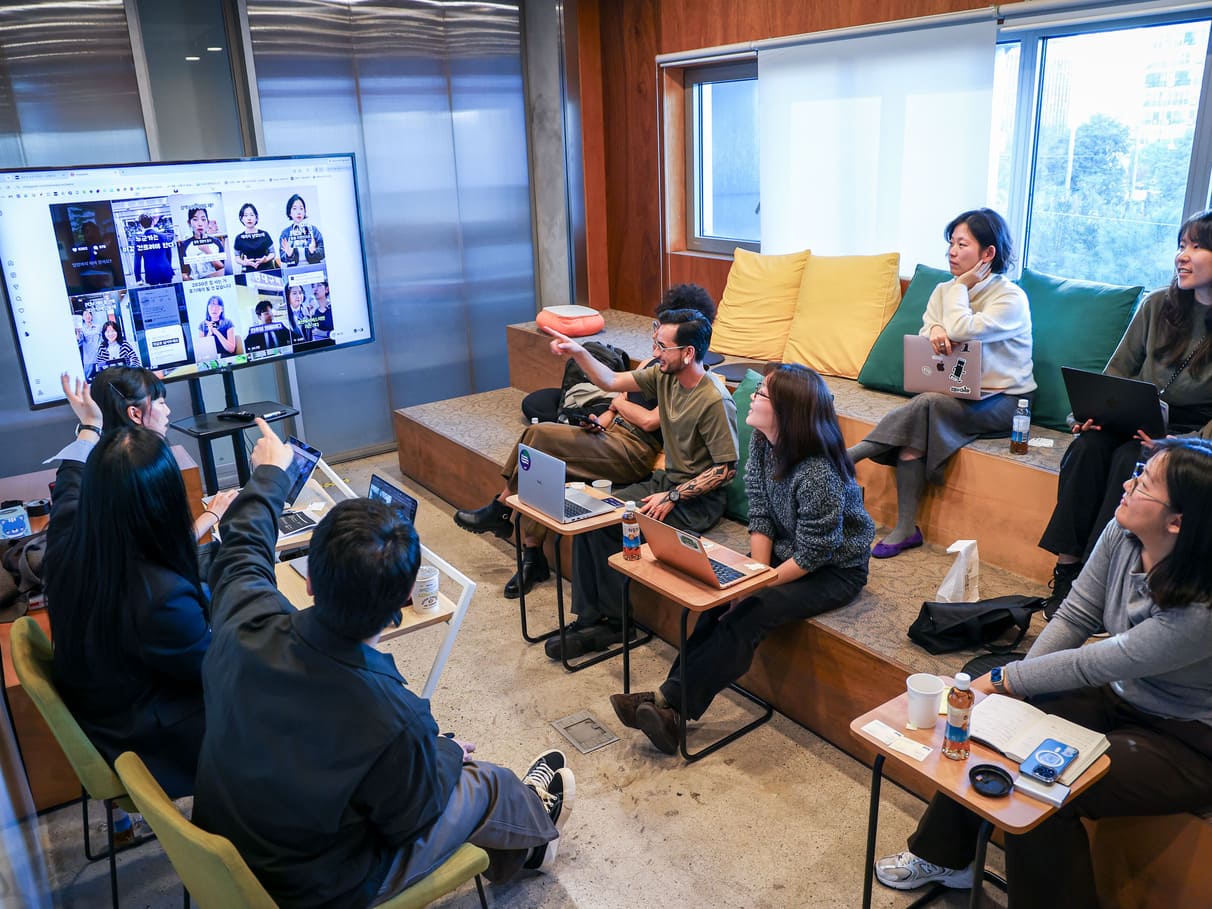
22. 리마에서는 앞으로의 공동의제인 Lima Agenda가 만들어졌습니다.
2025년 9월 페루 리마에서 열린 제7차 아메리카·카리브해 성소수자 정치 리더 회의에서는 향후 10년을 위한 Lima Agenda가 마련됐습니다. ‘존재하는(Presentes)’, ‘다양한(Diversas)’, ‘평등한(Iguales)’, ‘자유로운(Libres)’, ‘살아 있는(Vivas)’, ‘존엄한(Dignas)’, ‘함께하는(Juntas)’이라는 일곱 가지 목표가 담겼습니다.
At the seventh regional gathering of LGBTQ+ political leaders from the Americas and the Caribbean in Lima in September 2025, participants developed the Lima Agenda for the next ten years. Its seven goals are Presentes—Present; Diversas—Diverse; Iguales—Equal; Libres—Free; Vivas—Alive; Dignas—Dignified; and Juntas—Together.
정치인의 수를 늘리는 데서 나아가 참여를 가능하게 하는 조건을 바꾸려는 의제로 읽힙니다. 어떤 과정을 통해 만들어졌고, 서로 다른 나라의 참가자들은 무엇을 함께 확인했나요?
It appears to address not only the number of elected officials, but the conditions that make participation possible. How did the agenda emerge, and what did participants from different countries discover together?
마테오 Mateo
이번 컨퍼런스는 이전과 매우 달랐습니다. 처음에는 약 600명을 초청할 예산이 있었지만, USAID와 미국 국무부의 지원 삭감으로 상당 부분을 잃었습니다. 저희뿐 아니라 파트너와 리더들의 재정도 줄어드는 상황에서 어떻게 계속 일하고 프로그램을 바꿀 것인지 고민해야 했습니다. 더 적은 자원으로 더 많은 일을 하라는 요구는 아메리카 대륙뿐 아니라 세계 여러 시민사회 조직의 공통된 경험이었습니다.
This conference was very different from previous ones. We initially had funding to bring around 600 leaders to Lima, but lost much of it through cuts to USAID and the U.S. State Department. We had to ask how our work and programs should evolve when our partners and leaders were also losing resources. Being asked to do more with less was a shared experience across civil society, in the Americas and beyond.
처음에는 ‘돈이 없으면 컨퍼런스를 못 하는 것 아닌가?’라고 생각했습니다. 하지만 우리 공동체는 적은 자원으로도 많은 것을 만들어온 역사가 있습니다. 다시 그렇게 할 수 있을지 묻고 싶었습니다. 그래서 과거 컨퍼런스에 참여했던 리더들에게 연락했습니다.
Our first thought was that without the money, we could not hold the conference. But our communities have built so much with very little. We wanted to ask whether we could do that again, so we contacted leaders who had attended previous gatherings.
“날짜와 장소를 정하면, 우리가 원래 해드리고 싶었던 만큼 지원하지 못하더라도 오실 수 있겠습니까?”라고 물었습니다. 돌아온 답은 “그들이 이겼다고 생각하게 둘 수는 없습니다”였습니다. 단지 즐거운 행사를 위해서가 아니라, 어떻게든 서로 만나야 한다는 것이었죠.
We asked, “If we set a date and a place, could you come, even if we cannot provide the support we would like to?” The response was, “We cannot let them think they have won.” We needed to find a way to reach one another, not simply to enjoy an event, but because being together mattered.
그래서 이번 컨퍼런스는 축하보다 함께 머리를 맞대고 무엇을 해야 하는지 고민하는 자리가 되어야 한다고 생각했습니다. 출발점은 우리가 무엇을 얻었고 어떻게 여기까지 왔는지 경험을 모으는 일이었습니다.
That showed us this conference should be less a celebration and more a working space to think collectively about what needed to happen. We began by gathering experiences of what we had achieved and how we had reached this point.
여러 나라에서 약 200명이 모였습니다. 작은 그룹으로 토론한 뒤 전체가 다시 모여, 각국에서 성소수자의 권리와 대표성이 어떻게 발전했는지 나누었습니다. 앞으로 무엇을 지켜야 하는지 알기 위해서였습니다.
Around 200 people came from different countries. They discussed in small groups and then returned to the wider gathering to share how LGBTQ+ rights and representation had advanced in their countries. We wanted to understand what needed protecting.
그 과정에서 의제가 나왔습니다. 새로운 제안을 만드는 일이라기보다, 우리가 얻은 것과 얻어온 과정, 그 과정에 함께한 사람들, 앞으로도 반드시 함께해야 할 사람들을 기록하는 일이었습니다. 직접적인 공격이 예고된 상황에서 무엇을 지켜야 하는지 정리한 것이죠.
The agenda emerged from that process. It was less about proposing something entirely new than about recording what we had gained, how we had gained it, who had been involved, and who needed to remain part of the work. In the face of direct attacks, we were documenting what we needed to defend.
모든 사안에 합의하는 것이 핵심은 아니었습니다. 우리의 역사적 기억을 함께 만드는 일이었습니다.
Agreement on every issue was not the central task. It was about creating our historical memory together.
‘평등’, ‘자유’, ‘함께함’ 같은 목표는 구체적인 프로그램과 어떻게 연결될 수 있을까요?
How can goals such as equality, freedom, and togetherness translate into concrete programs?
마테오 Mateo
지금 필요한 프로그램이 무엇인지 묻는 것과 연결됩니다. 리더를 육성하는 일은 여전히 사명의 일부지만, 그것만으로는 충분하지 않습니다. 얻은 것을 유지하고 서로를 지키는 일도 중요합니다. 여러 나라에서 리더 개인이 공격받거나 활동이 무너지는 사례를 보았습니다.
It starts with asking what programs are needed now. Developing leaders remains part of the mission, but it is not enough on its own. We also need to protect what we have gained and sustain one another. Across countries, we have seen individual leaders attacked and initiatives undermined.
반대 세력이 국경을 넘는다는 것을 이해하면서, 평등과 함께함, 연결의 의미가 더욱 깊이 다가왔습니다. 그것이 저희를 지금 한국의 여러분과 만나는 자리까지 이끈 이유이기도 합니다.
Understanding that the opposition crosses borders has made equality, togetherness, and connection especially important to us. It is part of what has brought us here to Korea.
한 대륙 안의 대화를 넘어 세계와 이야기해야 합니다. “우리는 연결된 지역입니다. 이런 것을 배우고, 보고, 겪고 있습니다”라고 전할 수 있어야 합니다. 다른 대륙의 사람들이 우리 경험에서 배우고, 우리 역시 그들의 경험을 통해 대비할 수 있도록 말입니다.
We need to move beyond conversations within a single continent and speak globally: “We are an organized region. This is what we are learning, seeing, and facing.” People elsewhere can learn from our experiences, and we can prepare by learning from theirs.
23. 미국 국내 프로그램과 글로벌 프로그램은 어떻게 서로 배울 수 있을까요?
Victory Institute는 미국에 기반을 두고 있지만, 글로벌팀이 일하는 환경은 미국과 다릅니다. 미국의 경험과 자원이 도움이 되는 부분도 있지만 미국 중심의 시각이 한계가 될 수도 있습니다. 미국에 기반을 둔 조직이라는 점을 어떻게 바라보시나요? 서로 다른 지역이 대등하게 경험을 나누려면 무엇이 중요할까요?
Victory Institute is based in the United States, while its Global Programs team works in different political environments. U.S. experience and resources can be valuable, but a U.S.-centered perspective can also be limiting. How do you view that relationship, and what matters for a more reciprocal exchange between regions?
마테오 Mateo
미국은 독특한 나라입니다. 연방정부가 있지만 텍사스와 캘리포니아처럼 주마다 제도와 상황이 다르고, 성소수자가 권리를 누리고 살아가는 경험도 크게 다릅니다. 공개적으로 커밍아웃한 성소수자가 주의회에서 대표자로 활동한 경험이 없는 주들도 있고요. 미국 내부의 다양성 자체에서 배울 것이 많습니다.
The United States is a particular case. It has a federal government, but conditions and institutions vary greatly across states, as do LGBTQ+ people’s experiences of rights and everyday life. We were discussing the differences between Texas, California, and the Midwest. There is much to learn from that internal diversity, including states that have not had openly LGBTQ+ representation in their legislatures.
문제는 미국 밖의 경험이 충분히 기록되지 않았거나 미국의 사례만큼 널리 알려지지 않았다는 점입니다. 법적 보호와 권리가 부족한 다른 나라의 상황은 미국의 보수 성향 주나 정치적으로 경합하는 주에서 성소수자가 겪는 경험과 닮은 점도 있습니다.
The difficulty is that experiences outside the United States have not been documented or amplified to the same extent. Conditions in countries with limited legal protections can resemble the experiences of LGBTQ+ people in conservative or politically competitive U.S. states.
미국에서 배울 것이 많은 만큼, 미국도 다른 나라의 새로운 전략에서 배울 수 있습니다. 다른 정치제도에서는 사람들의 참여를 이끄는 새로운 방식, 저희가 ‘LGBTQ 기술’이라고 부르는 실천과 방법이 발전하기도 합니다.
There is much to learn from the United States, but it can also learn from innovative strategies elsewhere. Different political systems can make room for new approaches to participation, what we sometimes call “LGBTQ+ technologies”: practical ways of engaging people in politics.
미국의 성소수자 리더들이 아메리카 대륙의 다른 지역뿐 아니라 세계의 리더들과 경험을 나누고 배우는 데 더 열려 있기를 바랍니다. 그렇게 서로 다른 경험을 접하면 정치에 참여하는 방식과 권력을 자기 일로 받아들이는 감각도 달라질 수 있다고 생각합니다.
I hope U.S. LGBTQ+ leaders become increasingly open to exchanging experiences with leaders elsewhere in the Americas and around the world. Those exchanges can help us explore different ways of participating in politics and a different sense of ownership over power.
Ⅵ. 한국으로 돌아와, 그리고 앞으로
Returning to Korea, Looking Ahead
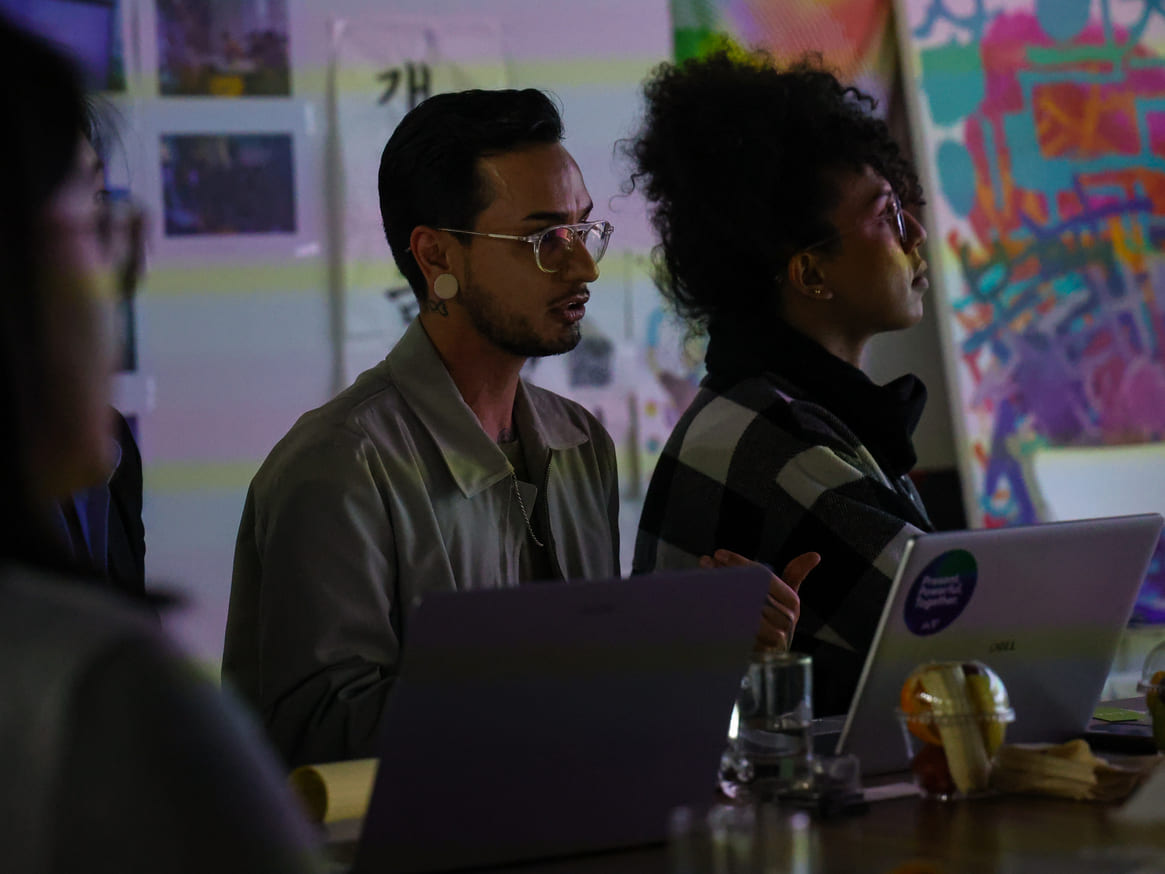
24. 이번 방문을 통해 한국에 무엇이 가장 필요하다고 느끼셨나요?
한국에서는 공개적으로 커밍아웃한 선출직 정치인이 드물고, 출마와 공직 진출을 돕는 체계도 초기 단계에 있습니다. 반면 이미 여러 자리에서 정치교육, 공동체 조직, 입법 활동, 정치인 육성이 이루어지고 있습니다. 직접 만나본 한국의 가능성과 장벽은 무엇인가요? RUN/OUT은 어떤 역할을 해야 할까요?
Openly LGBTQ+ elected officials remain rare in Korea, and support for candidacy and public service is still developing. Yet people are already working in political education, community organizing, legislation, and leadership development. What opportunities and barriers have you seen, and what role could RUN/OUT play?
마테오 Mateo
가장 큰 가능성은 서로 연결되고 싶어 하는 사람들의 강한 필요입니다. 다른 나라의 리더들에게서도 들었던 이야기와 맞닿아 있습니다. 그 필요 자체가 중요한 기회입니다. 다른 모든 것은 관계와 그 안에서 쌓이는 신뢰에서 출발하기 때문입니다.
The greatest opportunity is the strong need people feel for connection. That resonates with what we have heard from leaders in other countries. The need itself is an opportunity, because so much else grows from relationships and trust.
정치에 참여해 달라는 제안을 받는 일은 누구에게나 두려울 수 있습니다. 성소수자에게 그런 제안을 할 때는, 제안하는 우리부터 그것이 무엇을 의미하는지 알아야 합니다. 우리가 무엇을 요청하는지, 상대가 어떤 경험을 할 수 있는지 이해하고 있다는 것을 보여주어야 합니다. 더 공개적인 정치참여를 향해 한 걸음 내디딜 때 곁에서 지탱하고 지원할 준비가 되어 있어야 합니다.
An invitation to enter politics can be frightening for anyone. When we extend it to an LGBTQ+ person, we need to understand what we are asking. We must show that we recognize the experiences they may face and are prepared to sustain and support them as they take a step into more visible participation.
RUN/OUT이 하는 일도 분명히 그 방향으로 가고 있다고 봅니다. 각 사람과 관계를 맺는 데서 나아가, 그들이 서로 관계를 만들도록 돕는 것이죠. 거기서 멘토링의 기회를 찾는 것은 매우 중요하고 유익할 것입니다.
I see RUN/OUT moving in that direction: not only building relationships with individuals, but helping them build relationships with one another. Finding opportunities for mentorship within those connections could be extremely valuable.
그런데 연결의 필요가 크다는 점은 동시에 어려움이기도 합니다. 새로운 공간에서 정체성이 드러나거나 주목받는 것을 두려워하는 사람이 많습니다. 세심한 돌봄과 지원은 그 장벽을 넘는 데 도움이 될 수 있습니다. 다만 어디까지 나설지, 무엇을 감수할지는 각자가 결정해야 합니다.
The need for connection can also be a challenge. Many people fear being exposed or becoming visible in unfamiliar spaces. Care and support can help address those barriers, but each person must decide what they are ready to do and what risks they are prepared to take.
우리가 서로에게 자주 묻는 질문이 있습니다. “해방을 위해 무엇을 잃을 각오가 되어 있나요?” 그리고 또 하나의 질문도 있습니다. “참여하지 않는다면 무엇을 잃게 될까요?” 어느 쪽에도 위험은 있기 때문입니다.
One question we often ask is, “What are you willing to lose for liberation?” There is also another: “What might you lose if you do not participate?” There are risks in both choices.
이 과정에서 RUN/OUT 같은 조직이 특히 맡아야 할 역할은 무엇일까요?
What particular role should an organization like RUN/OUT take in that process?
마테오 Mateo
Victory와 마찬가지로, 사람들을 모으고 연결하는 역할이 중요합니다. 어떤 조직은 권리를 얻는 일이나 소송을 위한 연대에 집중할 수 있습니다. 제가 이해한 한국의 상황에서는, 리더에게 힘을 실어주고 여러 진입 경로를 열어주며 서로 연결하는 역할에 아직 공백이 있습니다.
As with Victory, convening and connecting people is essential. Other organizations may focus on securing rights or building coalitions around litigation. From what I understand of Korea, there is still a gap in empowering leaders, opening different pathways, and connecting people along them.
권리를 얻고 소송을 진행하는 조직과 연대체에도 준비되고 교육받으며 지속적으로 지원받는 리더들이 더 많아져야 합니다. 동맹은 필요합니다. 동시에 안전하게 할 수 있다면, 그 활동을 성소수자 당사자가 직접 이끌고 자신의 얼굴로 함께하는 것도 중요합니다.
Organizations and coalitions working for rights and legal change also need more leaders who are prepared, trained, and supported over time. Allies matter. Where it is safe, it also matters for LGBTQ+ people to be visible participants and leaders in that work.
25. 2027년에는 RUN/OUT과 Victory Institute의 협력도 논의하고 있습니다.
이번 방문에서는 한국의 성소수자 정치참여 장벽을 살피고 지원체계를 함께 설계하는 2027년 Design Lab의 가능성도 탐색하고 있습니다. 이런 공동사업을 만든다면 무엇을 가장 중요하게 반영해야 할까요? 한국과 나누고 싶은 경험, 반대로 한국에서 배워 다른 지역에 전하고 싶은 경험은 무엇인가요?
This visit is also exploring a possible Design Lab in 2027, through which RUN/OUT and Victory Institute could examine barriers to LGBTQ+ political participation and co-design support systems in Korea. What should be central to that collaboration? What experiences would you share, and what would you take from Korea to partners elsewhere?
마테오 Mateo
우리는 여러 차례 진보를 경험했고, 지금은 큰 반발을 마주하고 있습니다. 이런 상황에서는 조직들이 서로의 계획과 상황을 더 솔직하게 공유해야 서로를 보완하는 프로그램을 만들 수 있습니다. 중요한 소송이나 입법 활동이 예정되어 있다면 이를 알고 조율해야 합니다. 실제로 움직이는 상황에 맞춰 프로그램을 만들어야 하니까요.
We have experienced waves of progress and are now facing a significant backlash. In that context, organizations need to share their plans and situations more openly so that programs can complement one another. If major litigation or a legislative effort is approaching, we should know about it and coordinate. Programs need to respond to the circumstances actually unfolding.
어떻게 일할지, 무엇을 할지, 누구를 지원할지에 모두 동의해야 한다는 뜻은 아닙니다. 하지만 운동 전체를 강화할 기회를 놓쳐서는 안 됩니다. 공동사업이 그런 역할을 하려면 각자가 분명한 의도를 가지고 교류에 참여해야 합니다.
That does not mean agreeing on every method, priority, or group we serve. But we should not miss opportunities to strengthen the movement as a whole. If a collaboration is intended to contribute to that, each organization needs to participate with clear purpose.
이번에 만난 파트너와 조직들, 여러분이 들려준 활동의 역사에는 훌륭한 시도들이 많았습니다. 리더를 지탱하는 생태계로서 조직들이 서로 공동체를 이룰 가능성이 크다고 생각합니다.
The partners we have met and the history of work you have shared reveal a remarkable range of initiatives. There is considerable potential for organizations to form a community as the ecosystem sustaining leaders.
리더들만 공동체를 만드는 것으로는 충분하지 않습니다. 조직들도 서로 연결되어야 합니다. 이미 가진 자원과 성장하고 있는 리더들이 충분히 힘을 발휘할 수 있도록 함께 방법을 찾아야 합니다.
It is not enough to build community only among leaders. Organizations need relationships with one another too, so that existing resources and emerging leaders can contribute as fully as possible.
한국에서 배운 것 가운데 글로벌팀이나 다른 나라의 파트너들과 공유하고 싶은 것은 무엇인가요?
What have you learned here that you would like to share with your team or partners in other countries?
마테오 Mateo
성소수자 운동과 페미니즘 운동의 오랜 역사에 함께해 온 리더들과 많은 대화를 나누었습니다. 다른 나라에서는 보지 못했던 새로운 전략과 활동 방식도 있었습니다. 특히 기술을 활용하는 방식이 인상적이었고, 저희 파트너와 네트워크에도 전하고 싶습니다.
I have spoken with many leaders whose work is part of a long history of LGBTQ+ and feminist advocacy. I have encountered strategies and approaches that I have not necessarily seen elsewhere. The use of technology has been particularly striking, and I would like to share that with our partners and networks.
다만 전략과 방법을 전달하는 데서 끝나지 않았으면 합니다. 한국의 사람들이 아메리카 대륙의 사람들과 직접 관계를 맺는다면 더 많은 것을 얻을 수 있습니다. 그 만남에서 출발해 새로운 전략과 기술을 계속 나눌 수 있는 관계를 만드는 것이 중요합니다. 조직이 한 번 방문하는 것만으로는 충분하지 않습니다. 사람들이 서로 연결되어 있어야 합니다.
But I hope it goes beyond passing along methods. There is much more to gain if people in Korea build direct relationships with people in the Americas. Those connections can become a basis for continually exchanging strategies and technologies. A single organizational visit is not enough; people need to stay connected themselves.
그것이 제 중장기 목표입니다. Victory의 한 사람이 한국에 와서 오늘의 정보를 가져가는 것으로 끝내고 싶지 않습니다. 한국에는 앞으로도 선거가 있고, 그때 마주할 어려움에 대응하는 과정에서 새로운 시도가 나올 것입니다. 거기서도 배울 것이 많을 테고요. 지속적인 관계를 만드는 일이 이번 협력에서 가장 큰 의미를 가질 수 있다고 생각합니다.
That is my medium- to long-term goal. I do not want this to end with one person from Victory visiting Korea and taking home information from today. There are future elections and new challenges ahead, and people here will develop new responses. There will be more to learn. Building lasting relationships may be the most valuable part of this collaboration.
26. 마지막으로, 어떤 미래를 꿈꾸고 계신가요?
2015년 의회 인턴십에 참여했던 청년 마테오가 지금의 모습을 본다면 어떤 생각을 할까요? 다시 10년이 흘렀을 때 어떤 변화가 있다면 이 일을 해온 보람을 느끼실 것 같나요? 아직 정치 리더가 될 수 있다고 상상하지 못하는 한국의 성소수자들에게도 한 말씀 부탁드립니다.
What would the young Mateo who joined the congressional internship in 2015 think of your life today? Looking ten years ahead, what would make this work feel worthwhile? What would you say to LGBTQ+ people in Korea who cannot yet imagine themselves as political leaders?
마테오 Mateo
Victory를 만나기 전, 그리고 트랜스젠더 정체성을 발견하기 전에는 미래를 상상하는 것 자체가 어려웠습니다. 직업적으로도 개인적으로도 이렇게 많은 기회를 얻을 줄 몰랐습니다.
Before Victory and before discovering my trans identity, imagining a future at all was difficult. I never expected the opportunities I have had, professionally or personally.
그 기회의 상당 부분은 저 같은 사람들을 위해 만들어진 네트워크에서 왔습니다. 그래서 직원으로 Victory에 돌아온 제 모습에는 크게 놀라지 않을 것 같습니다. 결국 다른 사람을 위해 일하는 것이니까요.
Many came through a network deliberately built for people like me. For that reason, I do not think I would be surprised to see myself back at Victory as a staff member. Ultimately, it is about service.
제게는 받은 것을 돌려주는 일입니다. 제가 아는 것과 제 자신을 걸고 행동하는 일이고요. 저는 해방을 위해 무엇을 감수할 수 있는지 알고 있습니다. 이곳에서 정치참여의 길에 들어서고 성장해 온 사람들을 만나 배우는 것도 그 여정의 일부입니다. 제가 들어갈 수 있었던 공간과 그 안에서 길을 찾아온 경험을 자랑스럽게 여길 것 같습니다. 결국 다시 봉사로 돌아오는 것이죠.
For me, it means giving back, putting what I know and myself on the line. I understand what I am willing to risk for liberation. Meeting and learning from people here who have entered political life and grown within it is part of that continuing journey. I think I would be proud of the spaces I have entered and learned to navigate. It all comes back to service.
앞으로 10년 뒤, 무엇이 남아 있기를 바라시나요?
What do you hope will remain ten years from now?
마테오 Mateo
서로를 놓지 않는다면 이 일이 가치 있었다고 느낄 것 같습니다. 우리가 흩어져 있으면 침묵시키고 억압하기가 더 쉽다는 것을 배웠습니다. 함께할 때 더 강합니다.
I will know the work was worthwhile if we have not let go of one another. We have learned that a divided movement is easier to silence and suppress. We are stronger together.
10년 뒤에는 몇 명이 당선됐고 얼마나 많은 사람이 공개적으로 나섰는지만으로 평가하고 싶지 않습니다. ‘우리는 여전히 서로의 곁에 있는가? 함께 만든 것은 남아 있는가? 그것을 더 키우고 있는가? 우리 자리를 이어갈 사람들에게 더 많은 기회를 만들고 있는가?’를 묻고 싶습니다.
In ten years, I do not want to judge our work only by how many people have been elected or become visible. I want to ask: Do we still have one another? Does what we built still exist? Are we helping it grow? Are we creating more opportunities for people to take our place?
저는 10년 뒤에도 똑같은 일을 하고 싶지는 않습니다. 그때의 현실에 더 가까이 있고 새로운 생각을 가진 사람이 이 일을 맡아 이끌기를 바랍니다. 오늘의 우리를 있게 한 사람들을 잊지 않으면서도, 새로운 사람이 들어와 새로운 시도를 할 공간을 마련해야 합니다.
I do not want to be doing exactly the same work ten years from now. I hope someone with new ideas and a closer connection to that moment will be leading it. We should remember those who brought us here while making room for new people to come in and innovate.
그때의 우리가 지금과는 다른 모습이었으면 합니다. 다른 실수를 하고, 서로에게 배우고, 그 모든 과정에서 서로를 지켜주었으면 합니다.
I hope we look different from how we look today, make different mistakes, learn from one another, and continue to support each other through it all.
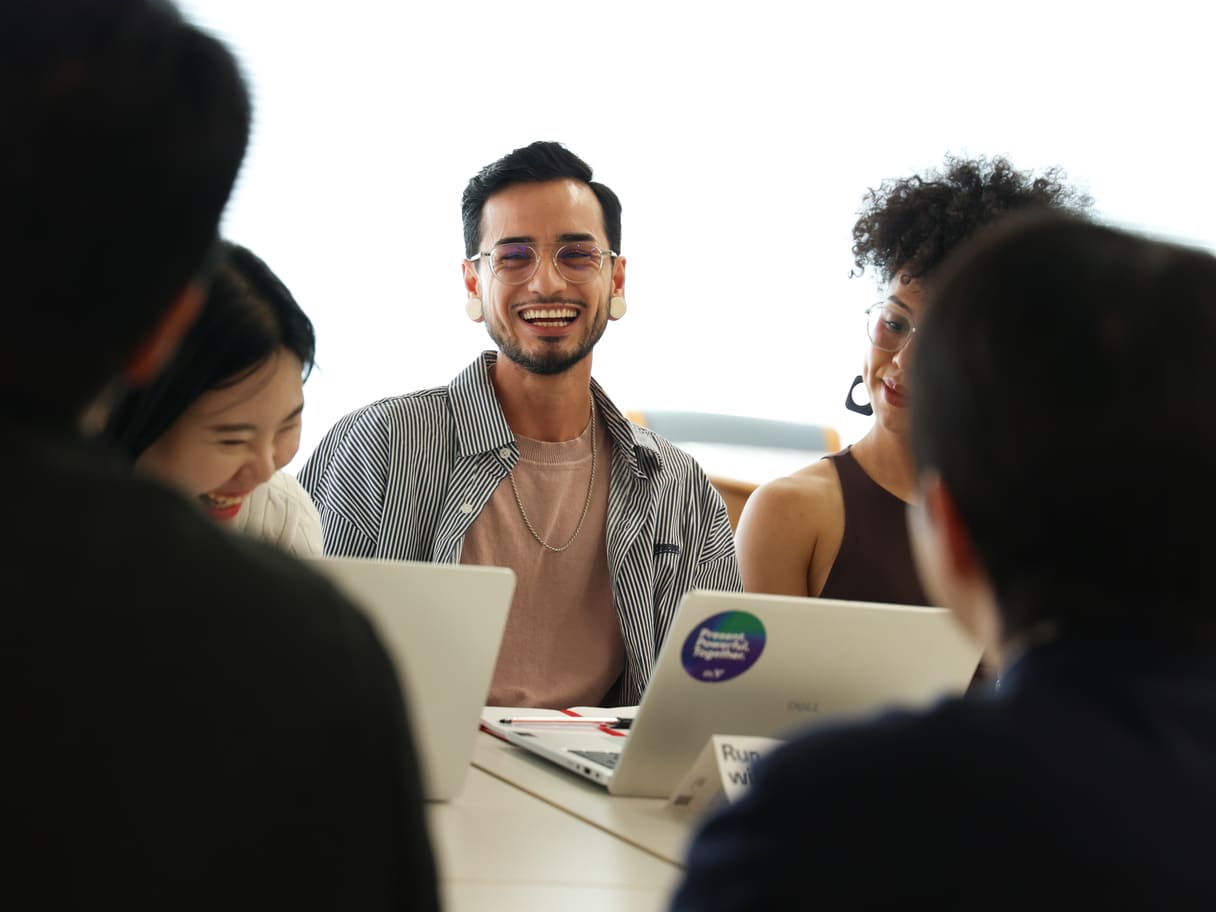
아직 자신을 정치 리더로 상상하지 못하는 한국의 성소수자들에게 어떤 이야기를 전하고 싶으신가요?
What would you say to LGBTQ+ people in Korea who do not yet see themselves as political leaders?
마테오 Mateo
‘리더’라는 말에는 여러 의미가 있다는 것을 알았으면 합니다. 리더가 되는 방식은 하나가 아니고, 리더가 될 자격을 정하는 단 하나의 기준도 없습니다.
I want people to understand that “leader” can mean many things. There is no single way to lead and no single model of who deserves to be a leader.
다른 사람을 생각하고 그들을 위해 일하는 것을 중요하게 여기는 사람이라면, 또는 돌봄과 지원을 받지 못한 경험 때문에 그런 돌봄과 지원을 만들고 싶은 사람이라면, 당신은 리더입니다.
If you care about others and about serving them, or if you have experienced a lack of care and support and want to build those things for others, you are a leader.
지금은 그렇게 느껴지지 않을 수도 있습니다. 하지만 당신은 의사결정이 이루어지는 공간에 있을 자격이 있습니다. 젊은 사람뿐 아니라 정치에 새로 들어오는 사람, 더 나이 든 사람 모두에게 하고 싶은 말입니다.
You may not feel that way now, but you deserve to be in spaces where decisions are made. That applies to young people, newcomers to politics, and older people alike.
사회가 정해놓은 모습 너머에서 자신을 다르게 바라볼 기회를 스스로에게 주었으면 합니다. 그리고 그 여정 가운데 RUN/OUT과 연결되고, 자신의 경험을 발전시킬 여러 길을 찾아보았으면 합니다. 그리고 그 과정에서 자신이 찾던 것을 발견하기를 바랍니다.
Give yourself the opportunity to see yourself differently, beyond what society tells you that you can be. I hope you connect with RUN/OUT, discover different ways to develop your experience, and find what you are looking for.

친구사이 RUN/OUT 프로젝트
커뮤니케이션 리드 박태민
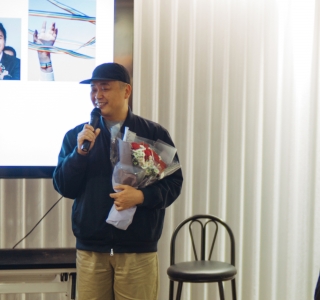
[196호][이달의 사진] 이종걸 사무국장의 다음 챕터
기간 : 10월
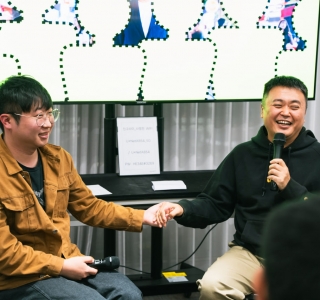
기간 : 10월
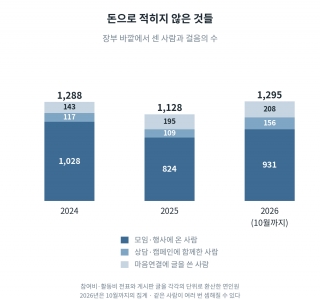
[196호][성장보고] 숫자로 보는 친구사이 ③ 세지 못한 것들
기간 : 10월

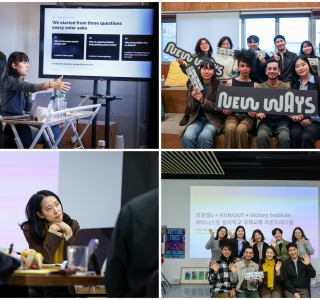
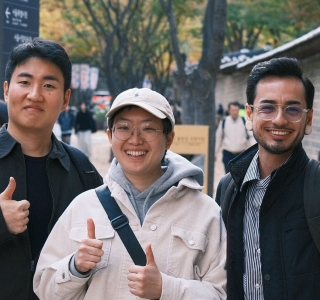
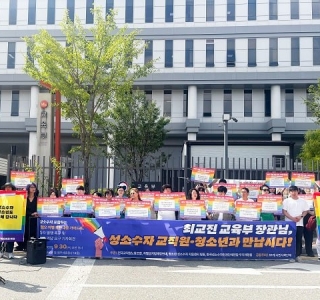
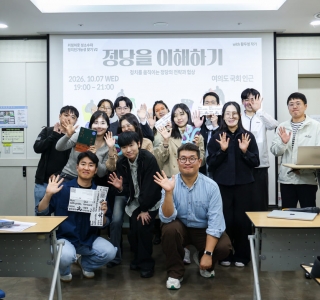
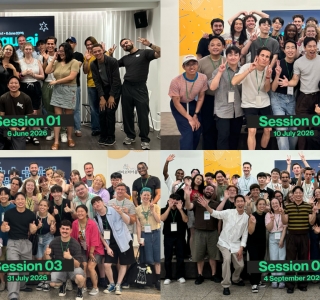
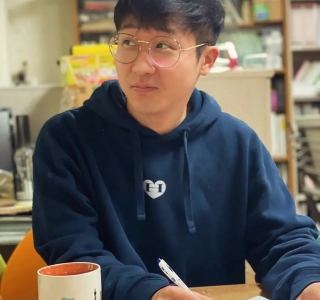


기간 : 10월
기간 : 10월