
2026년
[193호][활동스케치 #3] 낯섦이 줄어드는 방식 — Enggusai, Session 2| 기간 | 7월 |
|---|
[193호][활동스케치 #3]
낯섦이 줄어드는 방식 — 잉구사이 2회차 후기
Dancing With A Stranger — Enggusai, Session 2
영어를 잘하고 싶다는 다짐은 매년 한다. 매년 다짐만 한다. 그런 내가 7월 10일, 잉구사이 2회 현장에 앉아 있었다.
Every year, I vow to get better at English. Every year, that's as far as it goes. And yet there I was on July 10, sitting in the room at the second session of Enggusai.
잉구사이는 한국에 사는 LGBTQ+ 구성원들이 언어의 장벽을 넘어 친구를 사귀고 커뮤니티를 찾도록 돕자는 취지로 친구사이가 시작한 시범 프로그램이다. 1회 때 스물다섯 명이 낯선 사람으로 들어와 친구로 나갔고, 그중 열한 명은 따로 저녁 모임까지 만들었다. 그때 참여하지 못한 사람들을 대기자로 받았더니 며칠 만에 150명을 넘겼다. 이 모임이 얼마나 필요했는지를 그 숫자로 확인했다.
Enggusai is a pilot program Chingusai launched to help LGBTQ+ people living in Korea cross the language barrier, make friends, and find community. At the first session, twenty-five people walked in as strangers and walked out as friends — eleven of them even started their own dinner group afterward. When we opened a waitlist for those who couldn't make it, it passed 150 names within days. That number told us just how badly this gathering had been needed.
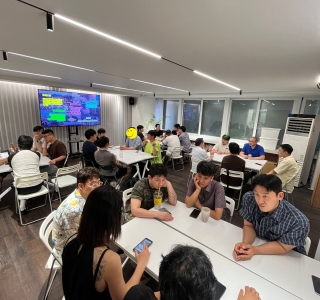
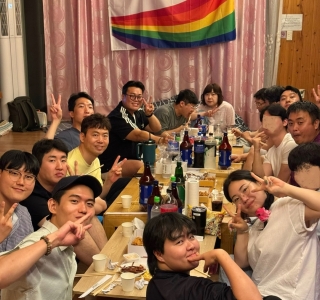
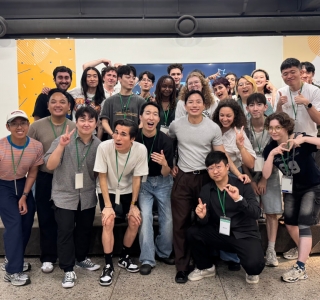
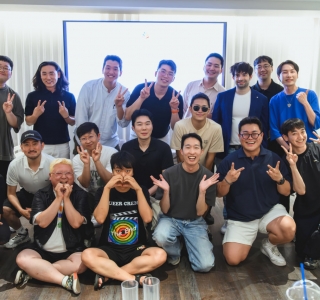
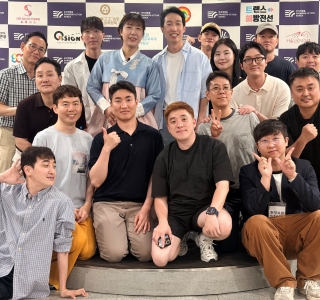
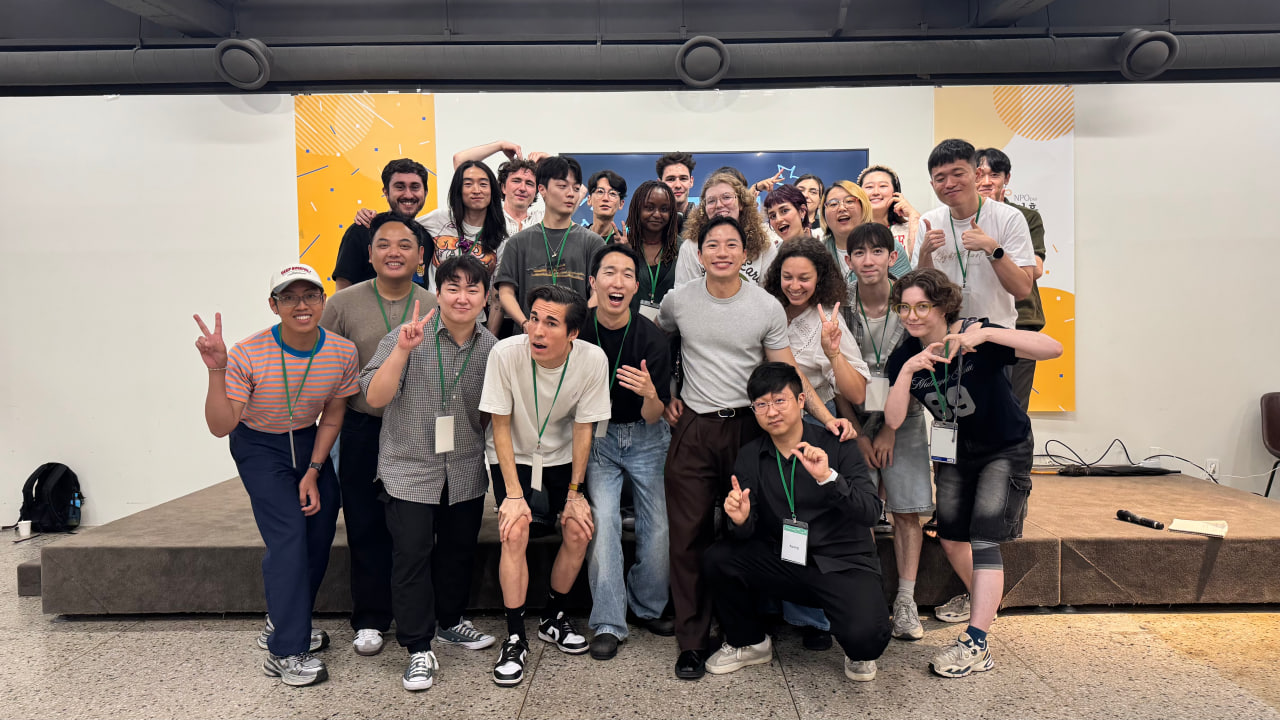
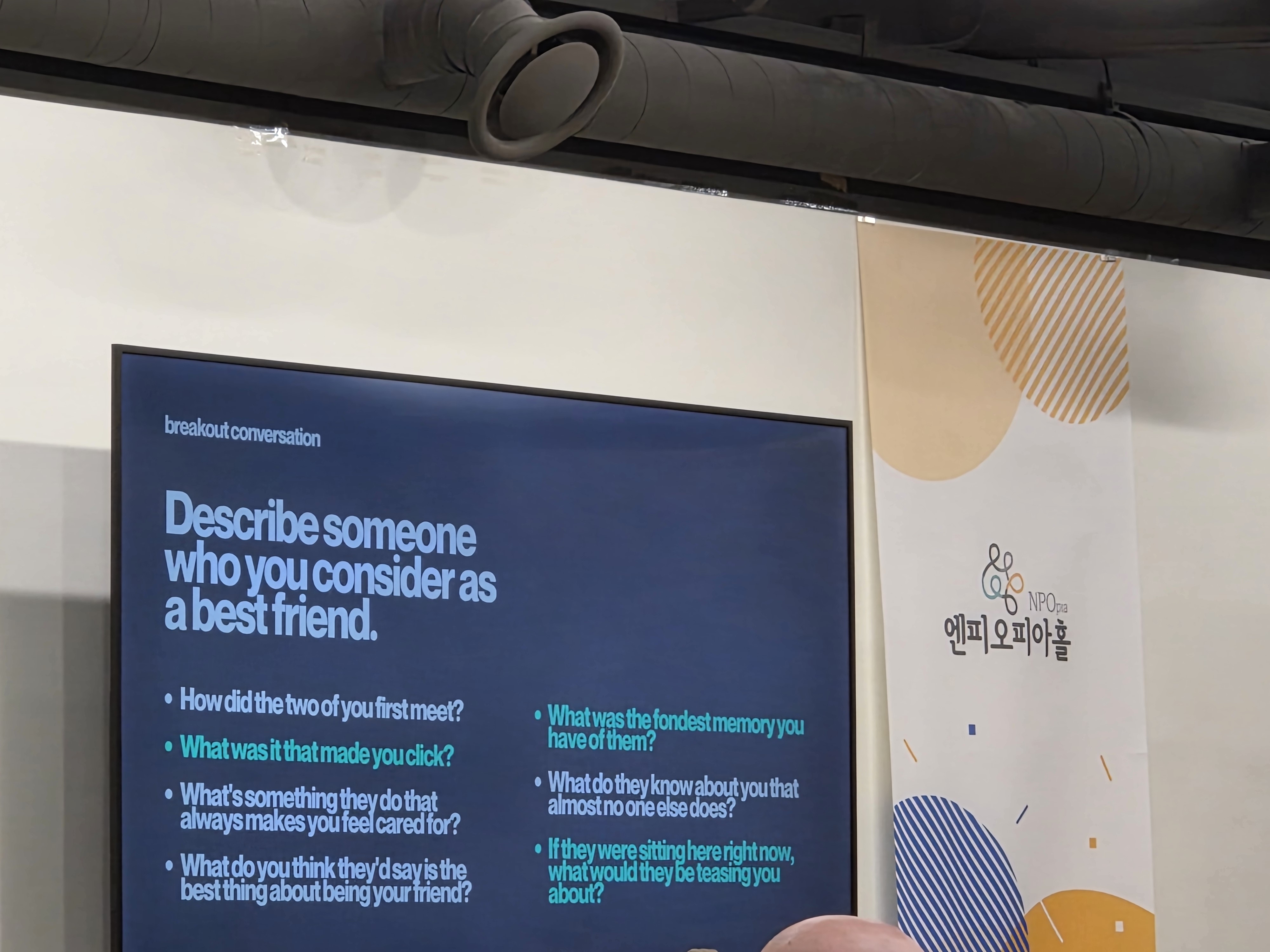
그래도 첫 모임이니 열기가 몰렸을 수 있다고 생각했다. 2회는 그 짐작을 접게 만들었다. 파일럿 세션 2회에 45명이 모였다. 구성은 단순하다. 들어오면서 각자 어느 나라에서 왔고 이름이 무엇인지 소개하는 전체 소개 시간을 갖고, 이어서 두 번의 라운드테이블을 진행한다. 이번 라운드테이블의 주제는 한국에서 성소수자 친구를 사귀는 일이 각자의 나라에서보다 더 어려운지, 어렵다면 그 이유는 무엇이라고 느끼는지였다.
Still, I figured the first session might have drawn a crowd simply because it was the first. Session 2 put that guess to rest. Forty-five people showed up for the second pilot session. The format is simple: as people arrive, everyone introduces themselves — where they're from, what their name is — and then we run two roundtable discussions. This time, the roundtable question was whether making LGBTQ+ friends in Korea feels harder than it did back home, and if so, why.
출신 국가가 정말 다양했다. 영어로 대화가 가능한 사람들이 모인 자리라고 하면 미국이나 유럽의 백인들을 떠올리기 쉽겠지만, 이번 세션에는 몽골, 싱가포르, 일본처럼 아시아권에서 온 참가자가 특히 많았던 것으로 기억한다. 외국인 참가자가 대부분일 거라 예상하기도 쉽지만, 이번에도 한국인 참가자가 적지 않았다. 자기가 나고 자란 나라에서도 소속감을 느끼지 못할 수 있다는 것, 그래서 커뮤니티를 찾아 나선다는 것. 션이 1회를 마치고 남긴 이 말을 2회 현장에서 다시 확인했다. 언어가 다르고 국적이 달라도 "이 공간에서 온전한 나로 있어도 되는가"라는 질문만큼은 모두가 같은 언어로 갖고 있었다.
The range of home countries was remarkable. When you hear "a gathering of people who can converse in English," it's easy to picture white Americans and Europeans, but as I recall, this session had a particularly strong showing from across Asia — Mongolia, Singapore, Japan. It's also easy to assume the participants would be mostly foreigners, but once again, a good number of Koreans were in the room. That you can feel no sense of belonging even in the country where you were born and raised — and that this is what sends you out looking for community. Shawn said this after the first session, and the second session confirmed it all over again. Different languages, different nationalities, but everyone carried the same question in the same language: "Can I be fully myself in this space?"
가장 기억에 남는 장면은 한국인 참가자 대다수가 "한국 사람과 친구가 되는 게 더 어렵다"고 토로하던 순간이었다. 이주민 참가자들보다 오히려 한국인들이 그랬다. 낯선 사람, 차이를 가진 사람, 새로운 사람에 대한 경계가 너무 높다는 이야기였다. 나는 외국어를 못해서 타국 사람이 어려운 건데, 언어 문제가 없는 한국인끼리도 서로가 어렵다. 문화적 적응까지 감당해야 하는 이주민에게는 훨씬 더 어려울 것이다. 이 감각의 원인이 뭘까 한참 생각했다. 한국인은 돈이든 외모든 경력이든 이 사회가 일반적으로 갈망하는 것을 가진 사람에게 친절하고 그렇지 않은 사람에게 차갑다는 인상이 있는데, 그런 것과 연결되어 있을까.
The scene that stays with me most is the moment when the majority of Korean participants confessed that it's harder to become friends with Koreans. More so than the immigrant participants did. The walls people put up against strangers, against difference, against anyone new, they said, are simply too high. I struggle with people from other countries because I can't speak their languages — but here were Koreans finding each other difficult with no language barrier at all. For immigrants, who have to shoulder cultural adaptation on top of everything else, it must be that much harder. I spent a long while wondering where this feeling comes from. I have the impression that Koreans are warm toward people who possess what this society generally covets — money, looks, credentials — and cold toward those who don't. Is it connected to that?
친구사이는 32년 동안 낯선 사람이 문을 열고 들어오는 단체였다. 정기모임에서, 웰컴데이에서, 소모임에서 우리는 그 낯섦을 환대로 바꾸는 연습을 해왔다. 잉구사이는 그 연습을 언어와 국적의 경계 너머로 확장하는 실험이다. 한국의 성소수자 커뮤니티가 한국어 사용자만의 것이 아니게 될 때, 우리의 관계망은 더 넓어지고 우리의 운동도 더 단단해진다. 이주민 성소수자의 고립은 통계 바깥에 있고, 그래서 더 절실한 의제다. 잉구사이가 월간 모임을 넘어 자체적인 활동 그룹과 취미 모임으로, 친구사이와의 문화 교류로 뻗어가길 바라는 이유다. 그리고 이건 친구사이만의 일도 아니다. 한국 LGBTQ+ 커뮤니티에는 이미 그런 노력을 해온 사람들이 적지 않고, 그 장면들이 더 많이 알려지길 기대한다.
For thirty-two years, Chingusai has been an organization whose door strangers open and walk through. At regular meetings, at Welcome Days, in our small groups, we have been practicing how to turn that strangeness into welcome. Enggusai is an experiment in extending that practice beyond the boundaries of language and nationality. When Korea's LGBTQ+ community stops belonging only to Korean speakers, our web of relationships grows wider and our movement grows sturdier. The isolation of immigrant LGBTQ+ people sits outside the statistics, which makes it all the more urgent an issue. That's why I hope Enggusai grows beyond a monthly gathering — into its own activity groups and hobby circles, into cultural exchange with Chingusai. And this isn't Chingusai's work alone. Plenty of people in Korea's LGBTQ+ community have already been doing this kind of work, and I hope those scenes get told far more widely.
돌아오는 길에 생각했다. 소속감은 거창한 데서 오지 않는다. 옆에 앉아 이름을 물어봐 주는 것, 잔을 채워 주는 것, 다음 모임에 초대하는 것. 1년 전 친구사이에 처음 걸어 들어온 션이 받았던 것들이고, 이제 션과 친구사이 구성원들이 잉구사이를 통해 다른 누군가에게 건네고 있는 것들이다. 낯선 사람이 줄어드는 만큼 커뮤니티는 자란다. 내 영어 공부는, 음, 계속 다짐하겠다.
On the way home, I thought about this: belonging doesn't come from anything grand. Someone sitting down next to you and asking your name. Someone refilling your glass. Someone inviting you to the next gathering. These are the things Shawn received when he first walked into Chingusai a year ago, and the things Shawn and the members of Chingusai are now handing to someone else through Enggusai. The community grows by exactly as much as the strangers shrink in number. As for my English studies — well, I'll keep vowing.

Korean Gay Human Rights Group, Chingusai
Full-time activist Kiyong SHIM
한국게이인권운동단체 친구사이 상근활동가 심기용
타임라인에 잉구사이 첫 모임 공지가 올라왔을 때, 나는 망설임 없이 신청했다. 그런데 신청한 뒤에는 내가 정말 이 모임에 가야 하는 사람인지 확신이 서지 않았다. 나는 영어보다 한국어가 더 편하고, 한국인 퀴어 친구들도 이미 많다. 성격도 꽤 내향적인 편이어서 영어로는 내 마음을 온전히 표현하지 못할 것 같아 걱정됐다. 잘못된 선택을 한 걸까?
When the post about the first Enggusai gathering came up on my timeline, I applied without hesitation. But afterwards I wasn't sure I really needed to join. My Korean is better than my English, and I already had many queer Korean friends. I'm also quite introverted, and I worried I wouldn't be able to fully express myself in English. Did I make the wrong choice?
완전히 틀린 걱정이었다. 내가 몰랐을 뿐, 나에게 정말 필요했던 자리였다.
I was completely wrong. It was something I needed, even though I didn't realise it.
내게 필요했던 것은 문화적으로 고립되어 있지 않다는 감각이었다. 잉구사이에서는 외국인으로서 이 사회에 편입되는 기분을 느끼지 않아도 된다. 사람들이 내 자리를 만들어 준다. 오해가 없도록 분명히 말해두고 싶은데, 내 한국인 친구들은 나를 정말 잘 대해 주고, 그들이 애쓰고 있다는 것도 안다. 그럼에도 서로가 아무리 노력해도 한국 사회에 완전히 섞여 들지는 못한다는, 조용한 슬픔 같은 것이 남는다.
What I needed was the feeling that I am not culturally isolated. At Enggusai, I don't have to feel like I'm joining society as a foreigner. They make room for me. I want to be clear that my Korean friends treat me wonderfully, and I know they try, truly. But there's still a quiet sadness in not being able to fully blend into Korean society, no matter how much effort goes both ways.
잉구사이는 누구의 소유도 아니다. 우리 모두가 함께 만들어 가는 커뮤니티다. 영어로 대화하는 건 여전히 조금 어렵지만, 이 공간에서는 내 국적이 문제가 되지 않는다는 느낌을 받는다. 내 언어로 고민을 나눌 수 있는 일본인 친구들도 있다. 하지만 우리 모두가 조금씩 다르다는 전제를 공유한 채 다른 외국인 친구들과 이야기를 나누는 일은, 그전까지 해보지 못한 신선한 경험이었다.
Enggusai isn't owned by anyone, it's a community created by all of us. It's still a little challenging to communicate in English, but this space gives me the feeling that my nationality doesn't matter here. I have Japanese friends I can share my worries with in my own language, but sharing with other foreign friends here, under the shared understanding that we are all a little different, was a refreshing experience I hadn't had before.
잉구사이가 계속 성장해서 더 많은 사람들에게 안전한 공간이 되길 바란다. 다른 활동을 시작한다면 꼭 참여하고 싶다. 앞날에 좋은 일만 있기를.
I hope Enggusai keeps growing and becomes a safe space for even more people. I can't wait to join if you start other activities. Wish you all the best.
Korean Gay Human Rights Group, Chingusai
Enggusai participant Toshiki
한국게이인권운동단체 친구사이 잉구사이 참가자 토시키