

2026년
[187호][커버스토리 "RUN/OUT 프로젝트" #17] 미국 Victory Fund & Institute CEO 및 대표, 에반 로우 인터뷰| 기간 | 1월 |
|---|
[187호]
[커버스토리 "RUN/OUT 프로젝트" #17]
미국 Victory Fund & Institute CEO 및 대표,
에반 로우(Evan LOW) 인터뷰
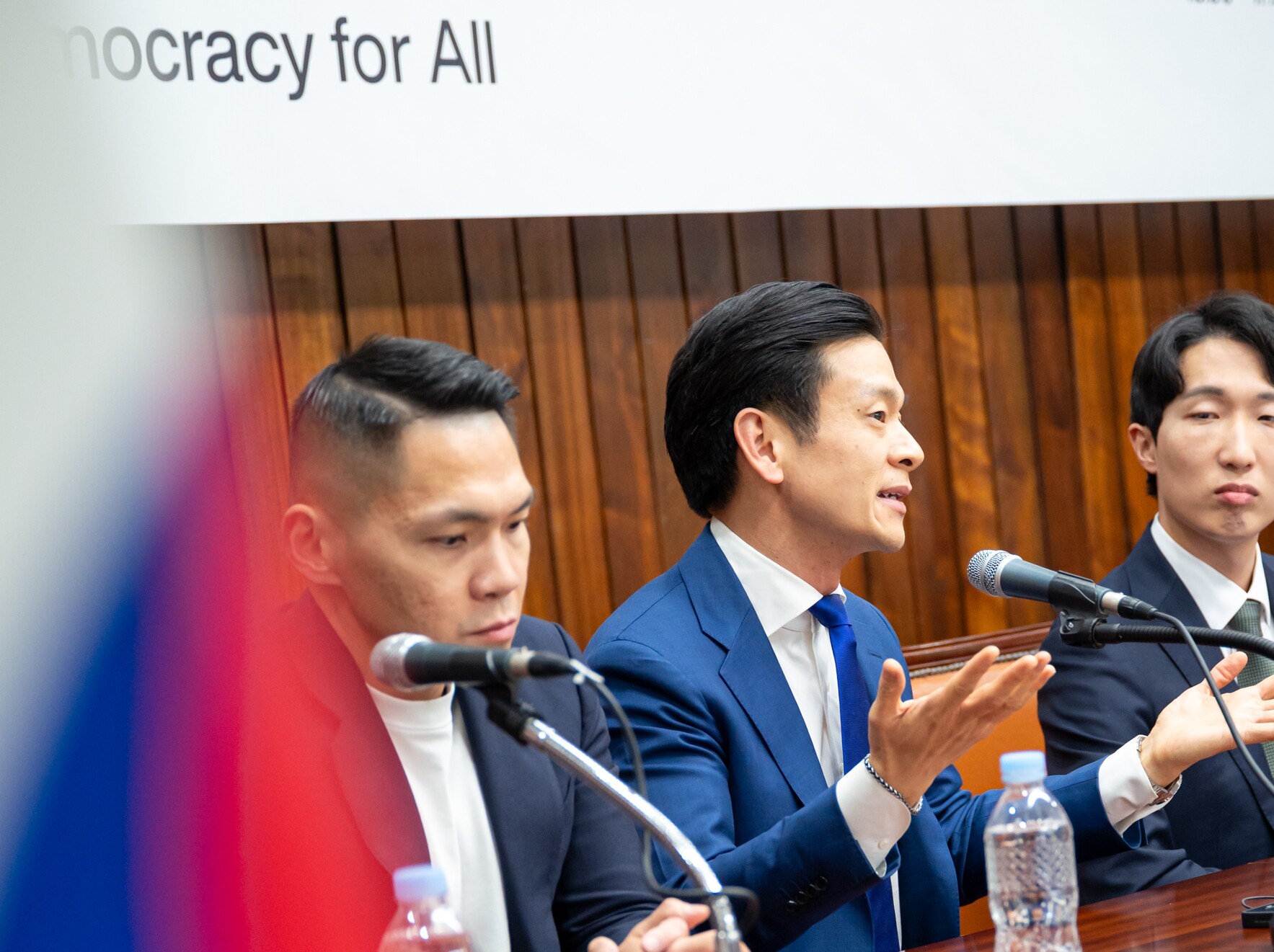
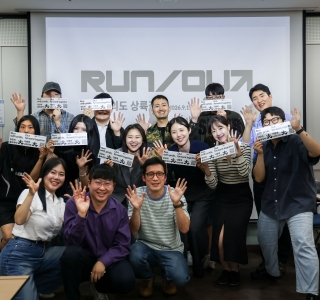
일시: 2026년 1월 15일 오후 3시
장소: 서울 종로구 광화문D타워 FOURB 카페
참여자:
미국 Victory Fund & Institute CEO 및 대표 에반 로우(Evan LOW)
RUN/OUT 한국게이인권운동단체 친구사이 대표 한윤하
RUN/OUT 친구사이 소식지팀 정재훈
1. 커밍아웃한 아시아계 게이 정치인으로서의 삶 Life as an Out Asian Gay Politician
1.1 미국 정치에서 아시아계 남성, 그리고 공개적으로 LGBTQ+ 정체성을 밝힌 정치인들은 종종 권위나 리더십, 당선 가능성에 대해 의심받습니다. 에반 역시 그런 시선을 계속 마주해왔을 것 같은데요. 정치 경력 전반에서 가장 자주 부딪힌 고정관념은 무엇이었고, 그게 실제 선거 캠페인이나 언론 보도, 입법 활동에는 어떤 식으로 나타났나요? 그리고 그걸 어떻게 넘어섰나요?
In U.S. politics, Asian men and openly LGBTQ+ leaders are often filtered through stereotypes that affect how authority, leadership, and electability are perceived. Throughout your political career, what kinds of stereotypes did you most frequently encounter, and how did they concretely shape your campaigns, media treatment, or legislative work? How did you respond to or counter these perceptions in practice?
제 경력 내내, 아시아계 남성이자 커밍아웃한 게이인 정치인의 권위나 강인함, 당선 가능성을 의심하는 시선을 계속 마주해왔습니다. 쉽게 표현해 “리더”라기보다는 “정책을 다루는 사람”, 앞에 나서기보다는 뒤에서 일하는 게 더 어울리는 유형이라는 가정이 깔려 있었죠. 그건 꽤 구체적인 사례들을 통해 나타났습니다. 선거에서는 후원자들이 제 가능성을 처음부터 낮게 보거나, 언론이 제 출마를 상징적인 의미 위주로만 다루는 식이었죠. 상대 후보들은 유권자들이 저를 “충분히 강한 지도자”로 볼지 시험하듯 접근하기도 했습니다.
Throughout my career, I’ve run into persistent stereotypes about Asian men and openly gay leaders that quietly question authority, toughness, and electability. There’s often an assumption that I’d be better at policy work than leadership, or more effective behind the scenes than out front. In campaigns, that showed up as donors underestimating my viability, media treating my candidacy as symbolic, and opponents testing whether voters would see me as “strong enough” to lead.
저는 그 고정관념에 맞서 연기하듯 행동하려 하지는 않았습니다. 대신 결과에 집중했습니다. 눈에 보이게 통치하고, 결정을 분명하게 내리고, 인종·정당·지역을 넘어서는 실제 연합을 만드는 데 힘을 쏟았습니다. 시간이 지나고 보니, 어떤 메시지 전략보다도 일관성과 역량이 그런 가정을 깨는 데 훨씬 더 강력하더군요.
I didn’t try to perform against those stereotypes. I focused on results. I governed visibly, made decisions clearly, and built coalitions across race, party, and geography. Over time, consistency and competence did more to break those assumptions than any messaging ever could.
1.2 선거와 정치는 여전히 전통적인 가족 형태와 남성성, ‘존중받을 만함’ 같은 것들에 대해 아주 엄격한 기대이자 자격을 요구하기도 합니다. 공개적인 게이이자 아시아계 정치인으로서, 이런 기대들은 당신의 정치적 궤적에 어떤 제약을 줬고, 또 예상치 못한 이점은 없었나요? 그리고 ‘순응’보다 ‘진정성’을 택한 선택이 실제로 선거의 흐름을 바꿨다고 느낀 순간도 있었나요?
Electoral politics often carries implicit expectations around family structure, masculinity, and “respectability.” As an openly gay Asian politician, how did these expectations influence your political trajectory—both in terms of constraints and unexpected advantages—and were there moments when choosing authenticity over conformity changed the dynamics of a race?
정치는 여전히 남성성과 가족 형태에 대해 매우 제한적인 모습을 요구합니다. 저도 초반에는 그걸 분명히 의식하고 있었어요. 커밍아웃한 게이이자 아시아계라는 사실은, 스스로를 조금 더 검열하거나 전통적인 틀에 맞추라는 압박으로 다가왔죠. 그런데 시간이 지나면서 놀라운 걸 발견했습니다. 진정성이 종종 약점이 아니라 오히려 강점이 된다는 사실이었어요.
Politics still carries narrow expectations around masculinity and family structure, and I was very aware of that early on. Being openly gay and Asian came with pressure to self-edit or fit a more traditional mold. What surprised me was how often authenticity became an advantage instead of a liability.
온전히 제 자신으로 서겠다고 선택한 순간들이, 실제로 선거의 역학을 바꿔놓은 적도 여러 번 있었습니다. 그 선택은 공격을 무력화했고, 신뢰를 쌓았으며, 유권자들이 정치적 연기가 아니라 ‘실제 사람’으로서의 저와 연결될 수 있게 만들었습니다. 사람들은 일관된 정직함에 반응합니다. 특히 그게 꾸준할 때 더 그렇죠.
There were moments when choosing to be fully myself changed the dynamic of a race. It disarmed attacks, built trust, and allowed voters to connect with me as a real person rather than a political performance. People respond to honesty, especially when it’s consistent.
1.3 커밍아웃은 종종 개인의 용기 있는 결단으로 이야기되지만, 실제로는 타이밍, 동료, 멘토, 그리고 정치적 인프라 같은 조건들에 크게 좌우되기도 합니다. 돌아보면, 어떤 구체적인 조건들이 당신의 커밍아웃을 정치적으로 가능하게 했나요? 그리고 반대로, 어떤 구조적·제도적 장벽들이 그 선택을 거의 막을 뻔했나요?
Coming out is often framed as an individual act of courage, but in reality it depends on timing, allies, mentors, and political infrastructure. Looking back, what specific conditions made your coming out politically possible, and what structural or institutional barriers nearly prevented it from happening?
저에게 커밍아웃이란 단 한 번의 용기 있는 순간이 아니었습니다. 적절한 타이밍과 동료, 그리고 정치적 인프라에 의존하는 연속된 과정이었죠. 제가 그러한 선택을 할 수 있었던 건, 먼저 위험을 감수해 길을 열어준 멘토들이 있었고, 지지를 제공하는 조직들이 있었으며, 차이에 대해 비교적 열린 태도를 보여온 지역구가 있었기 때문입니다. 무엇보다, 반발이 닥쳤을 때 버틸 수 있게 해준 개인적인 지지망도 중요했습니다.
Coming out wasn’t a single brave moment. It was a process that depended on timing, allies, and political infrastructure. I was able to do it because I had mentors who had taken risks before me, organizations that offered support, and a district that had shown openness to difference. I also had a personal support system that made backlash survivable.
반대로 가장 큰 장애물은 구조적인 것이었습니다. “조금 더 기다리라”고 말하는 정치 컨설턴트들, 위험을 걱정하는 후원자들, 그리고 눈에 보이는 롤모델의 부재가 결정을 계속 미루게 만들었죠. 결국 분명해진 건 하나였습니다. 숨는다고 해서 정치가 더 안전해지지는 않는다는 사실이요. 숨는 건 오히려 제 리더십을 덜 정직하게 만들 뿐이었습니다.
The biggest obstacles were structural. Consultants warning me to wait, donors worrying about risk, and the absence of visible role models nearly delayed it. What ultimately made the decision clear was realizing that hiding wouldn’t make politics safer. It would only make my leadership less honest.
1.4 지금도 많은 아시아계 LGBTQ+ 젊은이들이, 양극화와 백래시가 심해진 환경 속에서 출마를 고민하고 있습니다. 흔히들 “아직 준비가 안 됐다, 더 기다려라”는 말을 듣기도 하는데요. 그런 조언 대신, 준비·위험·타이밍에 대해—특히 실행 가능한 후보로서 첫 단계를 쌓는 과정에서—좀 더 현실적인 조언을 해준다면요?
Many young Asian LGBTQ+ people today are considering political runs in a climate marked by polarization and backlash. Rather than telling them to “wait until they’re ready,” what concrete advice would you offer about preparation, risk, and timing—especially in the first phase of building a viable candidacy?
제 조언은 '실천'하라는 것입니다. 우선 관계를 일찍부터 쌓으세요. 그리고 선거 캠페인이 실제로 어떻게 돌아가는지 현장에서 배우세요. 모금도 불편하다고 느껴질 만큼 일찍 시작하는 게 좋습니다. 동시에, 위험이 무엇인지 분명히 인식한 다음, 그걸 감수할 의지가 있는지 스스로에게 솔직해져야 합니다. 타이밍도 중요하지만, 저는 모멘텀이 더 중요하다고 생각합니다. 그리고 가시성, 특히 사생활의 노출에 담담해지세요. 검증과 비판은 이 일의 일부입니다. 하지만 동시에, 그만큼 실제 변화를 만들 기회도 따라옵니다. 출마를 한다면, 의지와 인프라, 그리고 커뮤니티의 지지를 갖추고 하세요. 이 셋이 함께 갈 때, 비로소 정치는 혼자가 아니라 집단의 힘이 됩니다.
My advice is practical. Build relationships early. Learn how campaigns actually work. Start raising money sooner than feels comfortable. Be clear about the risks, then decide whether you’re willing to accept them. Timing matters, but momentum matters more. And prepare yourself for visibility. Scrutiny comes with the job, but so does the opportunity to create real change. If you run, do it with intention, infrastructure, and community behind you.
2. 에반 로우: 정치인으로서의 과거와 미래 Evan Low: Political Past and Future
2.1 정치인으로서 비교적 젊은 나이에 선출직에 당선되어 지방정부에서 주 차원의 리더십까지 경험했습니다. 그 궤적을 돌아볼 때, “이건 정말 잘했다”고 생각하는 정치적 결정은 무엇인가요? 반대로, 지금도 가장 어렵거나 대가가 컸다고 느끼는 선택은 어떤 건가요?
You entered public office at a young age and moved from local government to statewide leadership. Looking back across that trajectory, what political decision do you believe you got most right, and which decision continues to weigh on you as the most difficult or costly?
가장 잘한 결정 중 하나는 지방정부에서 정치를 시작한 것입니다. 그곳에서 권력이 실제로 어떻게 작동하는지, 정책이 사람들의 일상에 어떤 영향을 미치는지를 배울 수 있었거든요. 또, 차이를 넘는 연합을 만들지 않으면 아무 일도 할 수 없다는 걸 몸으로 배웠고, 그 경험이 이후의 모든 선택의 기반을 만들었습니다.
One of the decisions I got most right was starting in local government. It taught me how power actually works and how policy affects people’s daily lives. It also forced me to build coalitions across difference, which shaped everything I did afterward.
가장 어려운 결정들은, 함께 가는 동료들이 편안해하는 속도보다 더 빨리 나아가야 했던 순간들이었습니다. 야망은 문을 열어주지만, 동시에 관계를 긴장시키기도 하죠. 가끔은 “조금 더 신중했다면 어떤 기회는 지킬 수 있지 않았을까” 생각하기도 합니다. 하지만 동시에, 진보는 조심성만으로는 오지 않는다는 것도 알고 있습니다.
The hardest decisions were the ones that required moving faster than some allies were comfortable with. Ambition opens doors, but it can also strain relationships. There are moments where I reflect on whether patience might have preserved certain opportunities, even as I know progress rarely comes from caution alone.
2.2 2024년 연방 하원의원 선거는 역사적으로도 굉장히 박빙이었고, 치열했지만 결국 패배로 끝났습니다. 개인적으로도, 정치적으로도 큰 전환점이었을 것 같은데요. 그 경험은 권력, 야망, 리더십—특히 연대 구축, 자원, 그리고 개인의 노력의 한계에 대한 인식—을 어떻게 바꿔놓았나요?
Your 2024 congressional race was historically close and intense, ultimately ending in a difficult defeat, yet it marked a significant turning point in your public career. How did that experience reshape your understanding of power, ambition, and leadership—particularly regarding coalition-building, resources, and the limits of individual effort?
2024년 선거는 제가 권력을 이해하는 방식 자체를 바꿔놓았습니다. 아무리 정치적으로 훈련받은 개인의 노력에도 불구하고, 분명한 한계가 있다는 걸 확인했죠. 연합의 힘, 자원의 정렬, 그리고 제도적 뒷받침이 얼마나 중요한지도 훨씬 선명해졌습니다. 동시에, 리더십은 단지 선거에서 이기는 것이 아니라, 한 번의 선거를 넘어 지속되는 역량을 만드는 일이라는 점도 다시 생각하게 됐습니다. 그 이후로 저는 개인의 경로보다, 집단적인 전략에 더 집중하게 됐습니다.
The 2024 race reshaped how I understand power. It reminded me that individual effort, no matter how disciplined, has limits. Coalition strength, resource alignment, and institutional backing matter deeply. It also reinforced that leadership isn’t only about winning elections, but about building capacity that lasts beyond one race. That experience made me more focused on collective strategy rather than personal trajectory.
2.3 시장, 주 의회 의원, 그리고 지금은 전국적인 정치 조직의 리더까지, 여러 역할을 맡아왔습니다. 이 중 어떤 역할이 가장 큰 정치적 책임감을 안겨줬나요? 그리고 그 경험은 ‘직위를 갖는 것’과 ‘권력을 구축하는 것’의 차이에 대해 무엇을 가르쳐줬나요?
You have served as a mayor, a state legislator, and now as the leader of a national political organization. Among these roles, which carried the greatest sense of political responsibility, and what did that role teach you about the difference between holding office and building power?
정치인으로서 여러 역할을 맡아왔지만, 전국 조직을 이끄는 일에 가장 큰 책임감을 지닙니다. 공직을 맡는다는 건, 정해진 선 안에서 권위를 갖는 일입니다. 하지만 권력을 구축한다는 건, 그 선을 다른 사람들을 위해 넓히는 일이죠. 그건, 제가 결코 만나지 못할 후보들, 제가 출마하지 않을 선거들, 그리고 개인적으로는 아무 이익도 없는 결과들에 투자하는 일을 의미합니다. 이 차이를 이해하고 나서, 제 리더십에 대한 생각도 근본적으로 바뀌었습니다.
I’ve held a lot of roles, but leading a national organization carries the greatest responsibility. Holding office gives you authority within a defined lane. Building power means expanding that lane for others. It means investing in candidates you’ll never meet, races you’ll never run, and outcomes that don’t benefit you personally. That distinction has fundamentally changed how I think about leadership.
2.4 앞으로 다시 선출직에 도전할 가능성도 열어두고 계신가요? 만약 그렇다면, 미래의 출마는 전략이나 가치, 혹은 지향하는 리더십의 형태 면에서 이전과 어떻게 달라질까요?
Looking ahead, do you envision returning to elected office in the future? If so, how would a future candidacy differ from your previous political path in terms of strategy, values, or the kind of leadership you would aim to practice?
영향력을 만들 수 있다면, 다시 선출직에 도전하는 가능성도 열어두고 있습니다. 다만, 그때의 도전은 이전과는 많이 다를 겁니다. 더 넓은 연합, 더 깊은 인프라, 그리고 더 공유된 리더십에 기반하게 될 거예요. 가치는 변하지 않겠지만, 전략은 훨씬 집단적이고 지속 가능한 방향이 될 겁니다.
I’m open to returning to elected office if it aligns with impact rather than ambition. Any future run would look different. It would be grounded in broader coalitions, deeper infrastructure, and a more shared model of leadership. The values wouldn’t change, but the strategy would be more collective and durable.
3. LGBTQ+ Victory Fund의 현재와 글로벌 전략
The Present and Global Strategy of LGBTQ+ Victory Fund
3.1 Victory Fund는 오랫동안 공개적으로 LGBTQ+ 정체성을 밝힌 후보를 발굴하고, 훈련하고, 지원하는 데 집중해 왔습니다. 지금 같은 정치적 국면에서, 조직이 직면한 가장 큰 전략적 위험이나 한계는 무엇이라고 보시나요? 그리고 그걸 어떻게 넘어서려 하고 있나요?
LGBTQ+ Victory Fund has long focused on recruiting, training, and supporting openly LGBTQ+ candidates. At this political moment, what do you see as the organization’s most significant strategic risk or limitation, and how are you working to address it?
지금 Victory Fund가 마주한 가장 큰 위험은, 정치적 반동의 속도에 비해 우리의 자원이 따라가지 못한다는 점입니다. 지원을 필요로 하는 후보와 캠페인은 빠르게 늘어나는데, 우리의 역량은 그만큼 빨리 커지지 못하고 있습니다. 그래서 우리는 더 전략적으로 선택하고, 장기적인 파이프라인을 우선하며, 너무 얇게 퍼뜨리기보다는 깊게 투자하는 방향으로 가고 있습니다.
The biggest risk facing Victory Fund right now is the pace of political backlash compared to our resources. Demand for support is growing faster than capacity. Addressing that means being more strategic, prioritizing long-term pipelines, and investing deeply rather than spreading ourselves too thin.
3.2 미국에서 반(反)LGBTQ+ 정치적 반동이 거세지는 상황에서, Victory Fund는 점점 더 큰 압박을 받고 있습니다. 조직은 주로 ‘방어적인 역할’에 머물고 있다고 보시나요, 아니면 더 적극적인 정치 행위자로 진화하고 있다고 보시나요? 그 변화는 실제로 어떤 의미를 갖나요?
As anti-LGBTQ+ political backlash intensifies in the United States, Victory Fund faces growing pressure. Do you see the organization operating primarily as a defensive force, or evolving into a more assertive political actor—and what does that shift mean in practical terms?
우리는 수동적인 방어 전략에만 머물 수는 없습니다. 지금까지 이룬 성과를 지키는 건 필요하지만, 그걸로는 충분하지 않아요. Victory Fund는 더 이른 시점에 후보를 발굴하고, 더 빨리 지지하고, 리더십 개발과 인프라에 더 과감하게 투자하면서, 정치 지형 자체를 적극적으로 만들어가야 합니다.
We can’t be only defensive. Protecting gains is necessary, but it’s not enough. Victory Fund also has to be assertive in shaping the political landscape by recruiting candidates earlier, endorsing sooner, and investing more aggressively in leadership development and infrastructure.
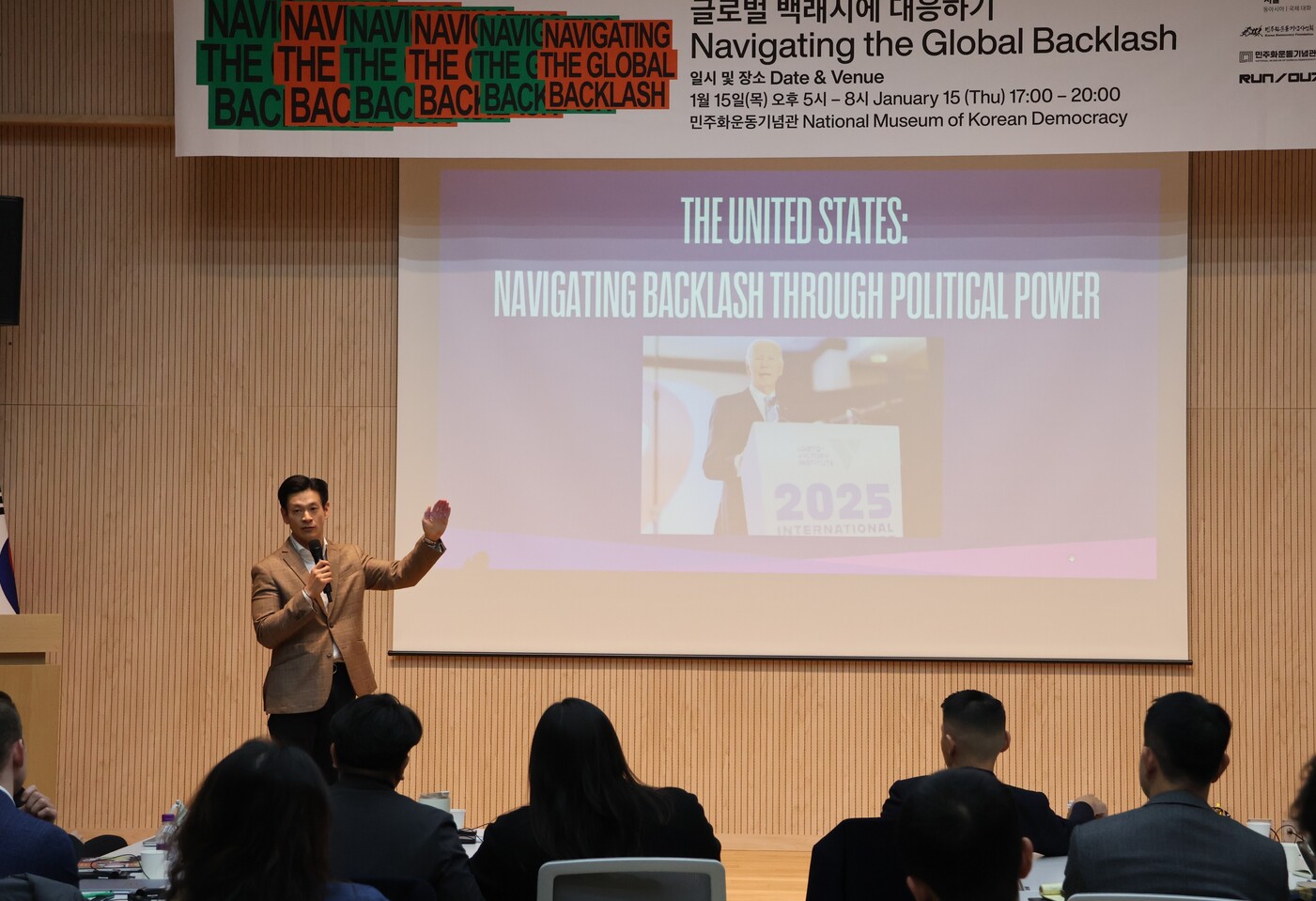
3.3 Victory Fund와 그 연계 조직들은 이제 미국을 넘어 다른 나라의 LGBTQ+ 정치 리더들과도 점점 더 많이 교류하고 있습니다. Victory Fund를 여전히 기본적으로 ‘미국 조직’으로 보시나요, 아니면 LGBTQ+ 대표성을 위한 더 넓은 글로벌 정치 인프라의 일부로 보고 계신가요?
Victory Fund and its affiliated work increasingly engage with LGBTQ+ political leaders beyond the United States. Do you understand Victory Fund as fundamentally an American institution, or as part of a broader, emerging global political infrastructure for LGBTQ+ representation?
Victory Fund는 분명히 미국에 뿌리를 둔 조직입니다. 하지만 동시에, 우리는 점점 LGBTQ+ 정치 리더십의 글로벌 생태계의 일부가 되어가고 있다고 생각합니다. 우리의 역할은 하나의 모델을 수출하는 것이 아닙니다. 국경을 넘어 교훈과 인프라, 그리고 연대를 나누는 일이죠. 각 나라의 특성에 따라 정치적으로 다른 전략을 보일 수는 있겠지만, 대표성 자체는 본질적으로 글로벌합니다.
Victory Fund is rooted in the United States, but we’re increasingly part of a global ecosystem of LGBTQ+ political leadership. Our role isn’t to export a single model. It’s to share lessons, infrastructure, and solidarity across borders. Representation is a global project, even when strategies remain local.
3.4 많은 정치적 맥락에서 LGBTQ+ 권리의 진전은 이주민, 소수 인종, 여성, 장애인, 저소득층 같은 다른 주변화된 집단들과의 연대에 달려 있습니다. 당신의 경험에 비춰볼 때, 실제 정치적 힘을 만들어내는 연대와, 상징에 머무는 동맹을 가르는 기준은 무엇인가요? 그리고 이런 연합이 실패하는 가장 흔한 이유는 무엇이라고 보시나요?
In many political contexts, LGBTQ+ progress depends on coalition-building with other marginalized communities, including migrants, ethnic minorities, women, people with disabilities, and low-income groups. Based on your experience, what distinguishes solidarity that produces real political power from alliances that remain symbolic, and what are the most common reasons such coalitions fail?
실제 힘을 만들어내는 연대는 ‘비슷한 언어’가 아니라 ‘공유된 이해관계’ 위에 세워집니다. 그건 신뢰, 지속성, 그리고 리더십과 자원을 실제로 나누겠다는 의지를 필요로 합니다. 연합은 거래적으로 운영될 때, 리더십이 소수에게만 집중될 때, 혹은 어려운 차이를 회피할 때 가장 쉽게 무너집니다. 가장 강한 동맹은, 각 커뮤니티가 스스로를 정치적 결과의 ‘공동 소유자’로 인식할 때 만들어집니다. 일시적인 파트너가 아니라, 함께 책임지는 주체일 때 말이죠.
Solidarity that produces power is built on shared stakes, not just shared language. It requires trust, durability, and a real willingness to share leadership and resources. Coalitions fail when they’re transactional, when leadership is concentrated, or when hard differences are avoided. The strongest alliances are the ones where communities see themselves as co-owners of political outcomes, not temporary partners.



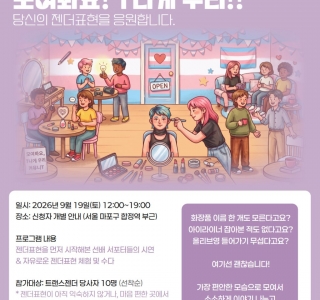



[195호][소모임] 언니의 분장실, 그게 뭐예요? #1
기간 : 9월
기간 : 9월