

Webzine
[No.119][Activity Report] Various Activities in May – Chingusai’s Proactive Responses, the COVID-19 LGBTQ+ Emergency Response Headquarters, and the Open Table| 기간 | 1월 |
|---|
Various Activities in May
— Chingusai’s Proactive Response, the COVID-19 LGBTQ+ Emergency Response Headquarters, and Open Table
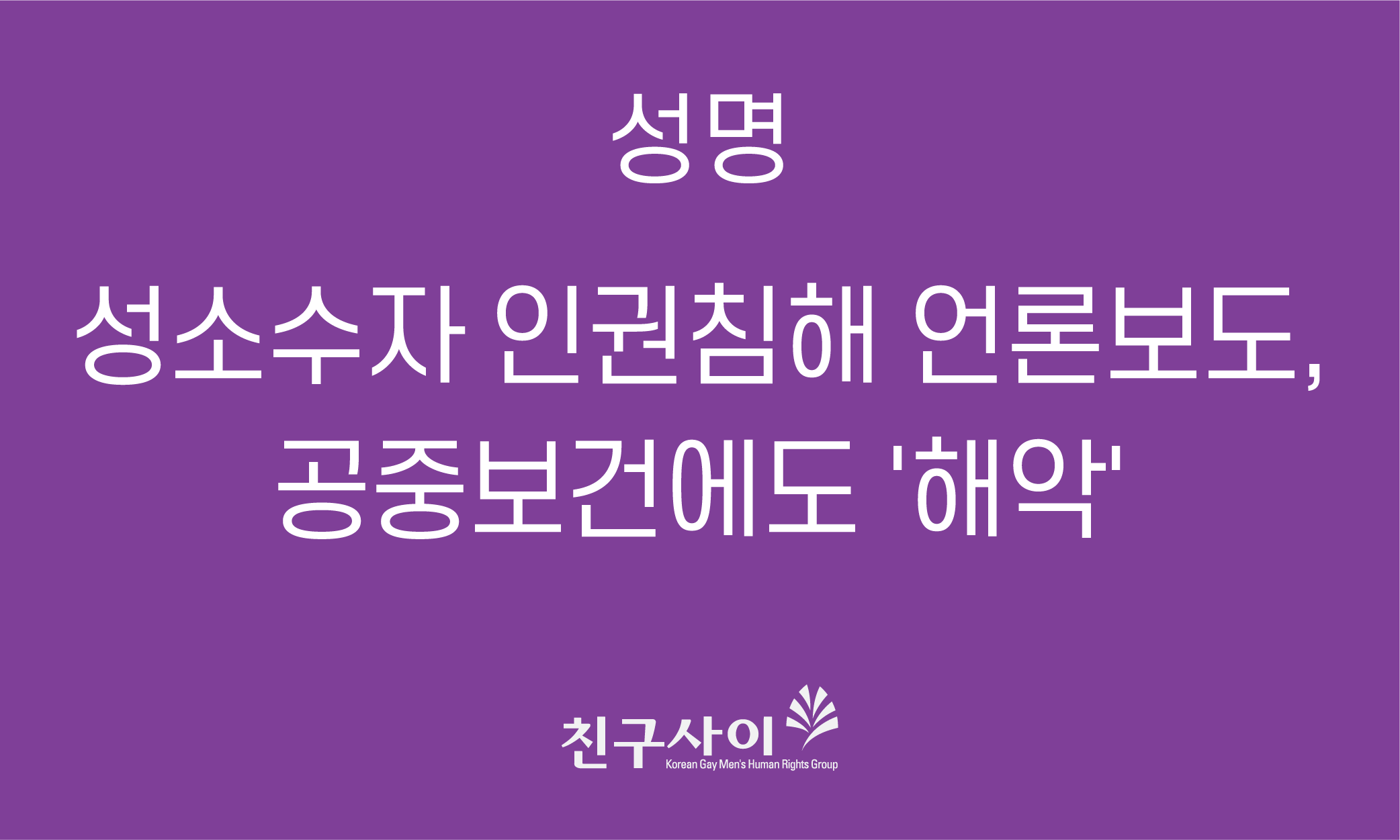
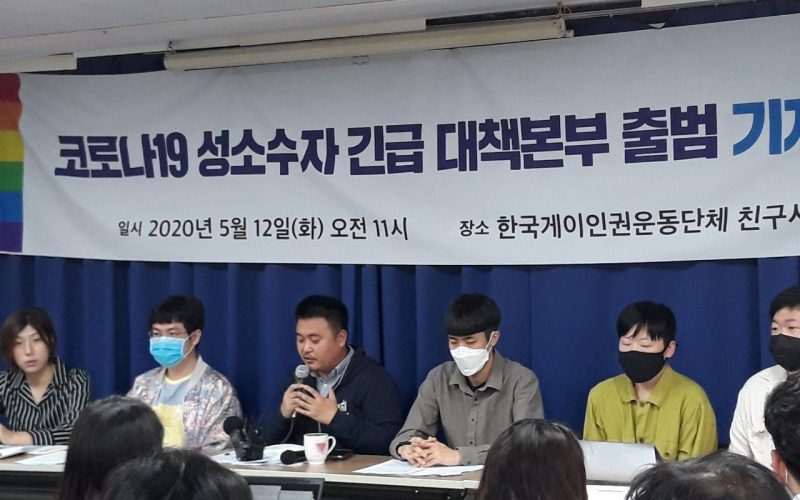
It has been over twenty days since news spread via social media that a confirmed COVID-19 case had visited King Club in Itaewon. Recognizing the situation as urgent, Chingusai issued a statement on May 7 condemning coverage by Kukmin Ilbo, and conveyed a message to the community encouraging everyone to endure this difficult time together and support one another. Chingusai met with officials in charge of infectious disease management at the Seoul Metropolitan Government to raise concerns and explore possible solutions. On Sunday, May 10, emergency phone counseling was conducted to support confirmed cases and visitors who were experiencing anxiety and fear. Following further discussion among activists across the LGBTQ+ movement, a decision was made to urgently establish an emergency response headquarters, centered on organizations within the Rainbow Action Network and other groups that expressed their intention to participate. On May 12, the COVID-19 LGBTQ+ Emergency Response Headquarters (hereafter, the “Response Headquarters”) held a press conference to announce its launch. The Headquarters outlined plans to respond to discrimination and human rights violations against LGBTQ+ people during the COVID-19 outbreak, to encourage testing within the community, and to communicate with public health authorities. At present, 23 organizations, including Chingusai, are participating in the Response Headquarters.
On May 11, Chingusai convened an emergency steering committee meeting to discuss hosting the Response Headquarters’ situation room at the Chingusai office. Amid the COVID-19 crisis, Chingusai identified protecting the safety and health of the community as a primary objective, and determined that operating the situation room directly aligned with this purpose. Accordingly, the organization made an active decision to locate the Response Headquarters’ situation room within its office. Since its launch, the Response Headquarters has focused on providing counseling regarding the various challenges faced by LGBTQ+ people during the pandemic, promoting COVID-19 testing, monitoring media coverage, and maintaining communication with public health authorities. Situation room meetings were held daily starting around 10 a.m., during which response strategies were discussed and implemented. The situation room has been primarily staffed by activists from organizations including the Korean Gay Human Rights Group Chingusai, Lawyers for a Democratic Society’s Public Interest Human Rights Group Hope and Law, DAUM (Sustainable Movement Toward Diversity), the University and Youth LGBTQ+ Network QUV, Busan LGBTQ+ Human Rights Group QIP, the Korean Youth and Young Adult HIV Community Al, the Solidarity of Acting LGBTQ+ Human Rights Activists, and the HIV/AIDS Human Rights Solidarity Nanuri+.
Since its launch on May 12, the Response Headquarters has conducted not only phone counseling but also case-based surveys to document harms experienced across the community. In cases requiring specific intervention, the Headquarters has communicated directly with affected individuals to demand improvements in measures taken by public health authorities and relevant local governments. The Headquarters also launched an official website and carried out outreach promoting testing and counseling through banners on various community boards and applications. In response to ongoing hate-inciting coverage by certain media outlets, the Headquarters actively addressed these issues through press briefings. On May 29, a “Hate Reporting Accountability Relay” press conference was held in front of problematic media outlets, including Kukmin Ilbo, Newsis, and MoneyToday, followed by a final action in front of the Press Arbitration Commission. There, participants condemned the media’s conduct and submitted a petition calling for corrective recommendations regarding the relevant articles. These actions were made possible through sustained engagement, advocacy, and communication with public health authorities and local governments.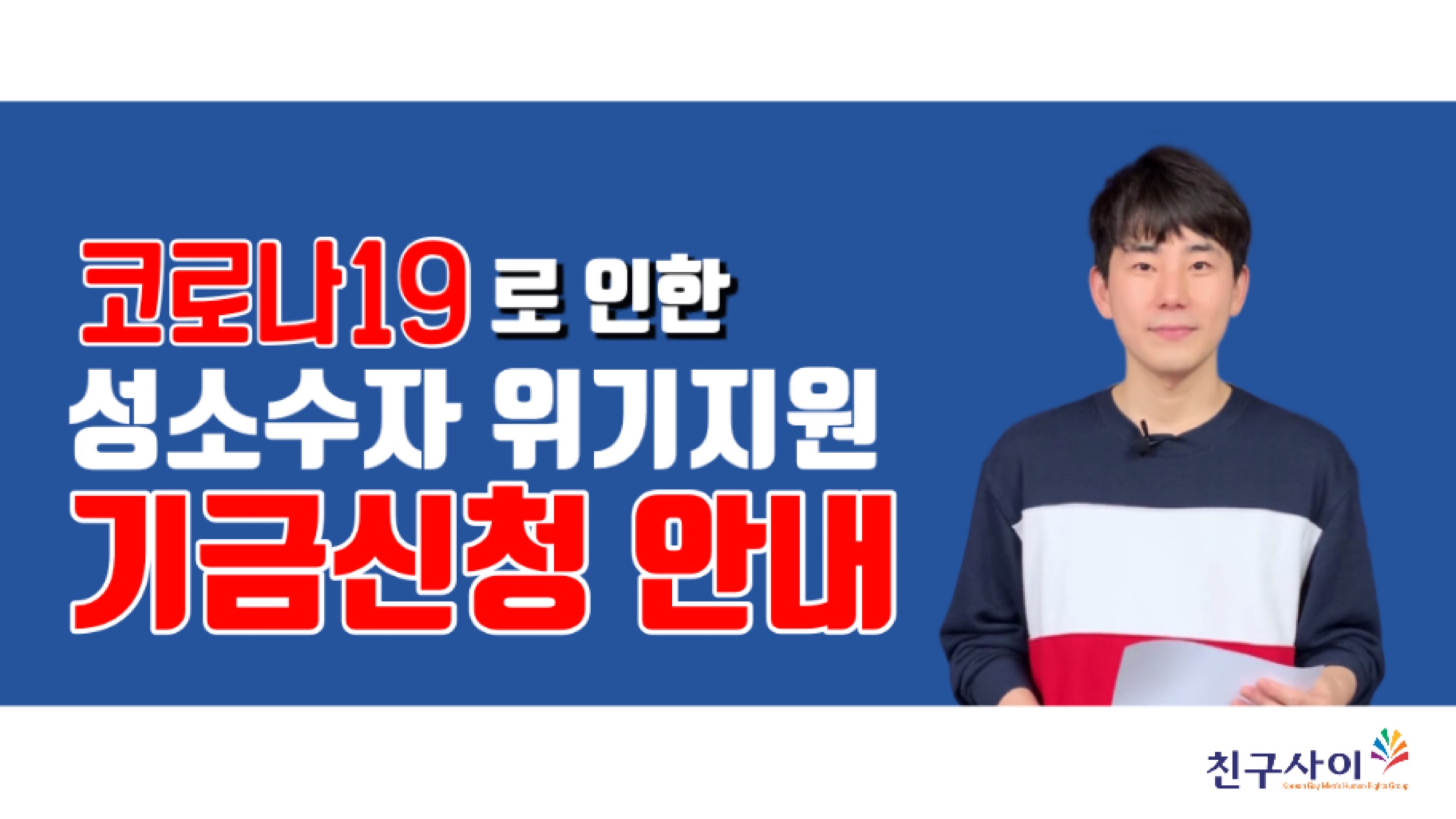
Meanwhile, Chingusai received a meaningful donation from a donor and carried out an emergency fund distribution program aimed at providing direct support to members of the LGBTQ+ community facing crisis due to COVID-19. The funds were distributed on a first-come, first-served basis until depleted. Due to the large number of applications, the program closed earlier than expected. While we regret that the limited funds were insufficient to fully meet the urgent needs of many in the LGBTQ+ community, we extend our deepest sympathies and solidarity to all who are experiencing hardship as a result of the pandemic.
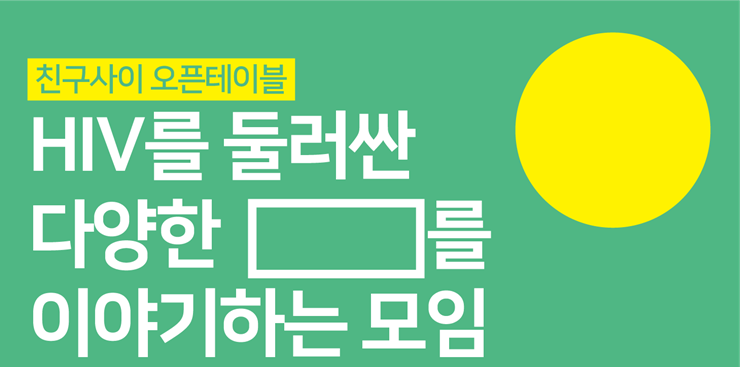
This year, following last year’s efforts, Chingusai once again planned and prepared Open Table, a gathering dedicated to discussing the many issues surrounding HIV. Although the first meeting scheduled for March had to be postponed due to COVID-19, the first Open Table of the year was successfully held on May 23. Through this initial meeting, the preparation team reflected on how the current COVID-19 situation—alongside HIV—has shaped perceptions, emotions, and attitudes within the gay community toward infectious diseases. Moving forward, Chingusai plans to more actively invite not only its members but also broader members of the gay community to share conversations that have long remained unspoken. We ask for your continued interest and participation in future Open Table gatherings.
Interest in the COVID-19 situation surrounding Itaewon clubs has extended beyond domestic media to international outlets as well. While South Korea has been widely praised for its COVID-19 response under the label of “K-Quarantine,” serious flaws have nevertheless been exposed. Chief among them are violations of information rights resulting from excessive disclosure of personal data and detailed movement histories. These practices intersect with a broader lack of social awareness regarding the barriers people face in accessing testing. Improving the human rights conditions of sexual minorities, people with disabilities, migrants, people living with HIV, refugees, and others is not only necessary but has increasingly been shown to strengthen public health responses. This is not a task limited to the COVID-19 crisis alone, but a critical challenge and goal for the era in which we live.
Secretary-General, Korean Gay Human Rights Group Chingusai / Lee Jong-geol (이종걸)