

Webzine
[No.98][Feature] <Seoul For All> #8: What kind of LGBTQ+ center can we build in Seoul?| 기간 | 1월 |
|---|
[Issue 98][Feature]
<Seoul For All> #8: What kind of LGBTQ+ center can we build in Seoul?
Starting with the LGBT Center in Los Angeles in 1969, queer communities across cities around the world—New York, San Francisco, Berlin, Beijing, and beyond—have gone on to establish centers they can be truly proud of. Today, these centers not only encourage intergenerational exchange within LGBTQ+ communities and provide education for youth, but also play central roles across a wide range of movements: offering medical and legal support to address difficulties LGBTQ+ people face locally, and engaging in negotiations around local policy.
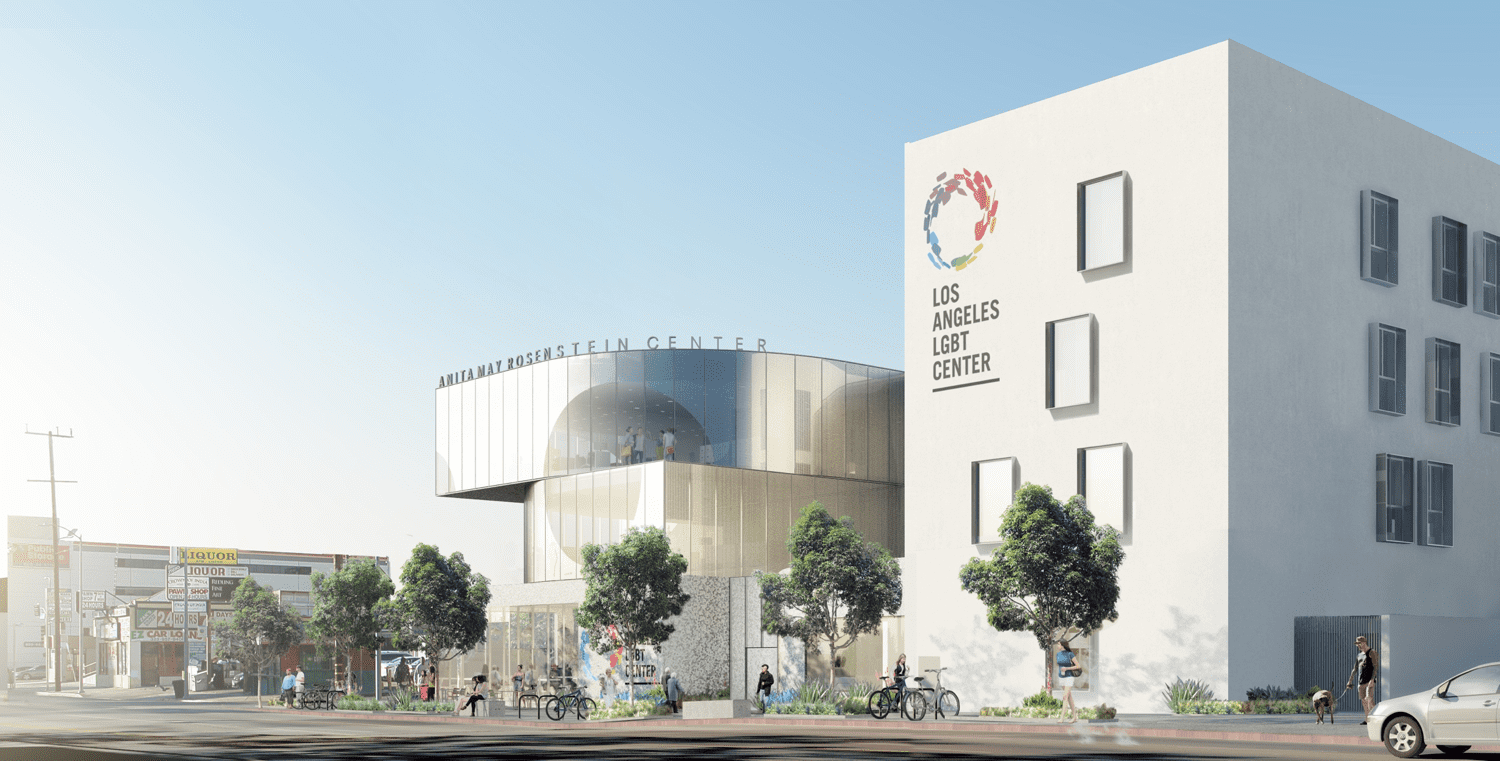
Figure 1. The LGBT Center in Los Angeles, USA, scheduled for completion in 2019
Among them, the Los Angeles LGBTQ+ Center—visited by more than 40,000 people annually—is renowned as the largest community organization in the world supporting the broadest array of programs and services. To build a better world for queer people, it designs concrete programs with more than 600 staff members, guided by four key themes: Health, Social Services & Housing, Culture & Education, and Leadership & Advocacy.
So what kinds of programs do these centers actually run? In fact, after examining LGBTQ+ centers in Los Angeles as well as New York, Berlin, and Beijing, I found that their programs were not dramatically different. In a way, this may suggest that the challenges LGBTQ+ people face—while varying somewhat by country or culture—are fundamentally similar.
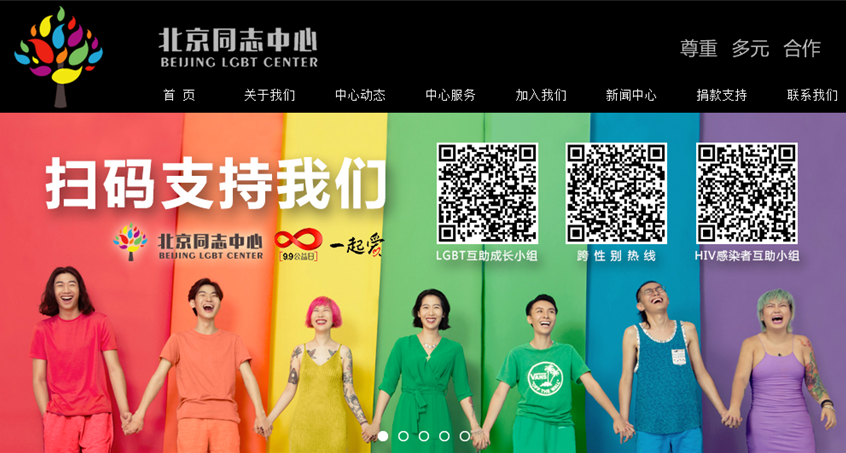
Figure 2. Main page of the Beijing LGBT Center website
First, under the theme of Health, many LGBT centers provide low-cost services such as HIV/AIDS-specialized care, primary medical services, STD testing and prevention, mental health recovery programs, and addiction recovery services. They also extensively support research and clinical trials focused on improving the health and well-being of LGBTQ+ communities.
Second, under Social Services & Housing, these centers build social safety nets for queer people in need and offer shelters they can turn to when they need them most. Services include clothing provision for homeless youth, educational scholarships, college preparation programs, employment support for transgender people and youth, and sustainable affordable housing for older adults who lack strong local networks—helping to foster diversity within queer communities.
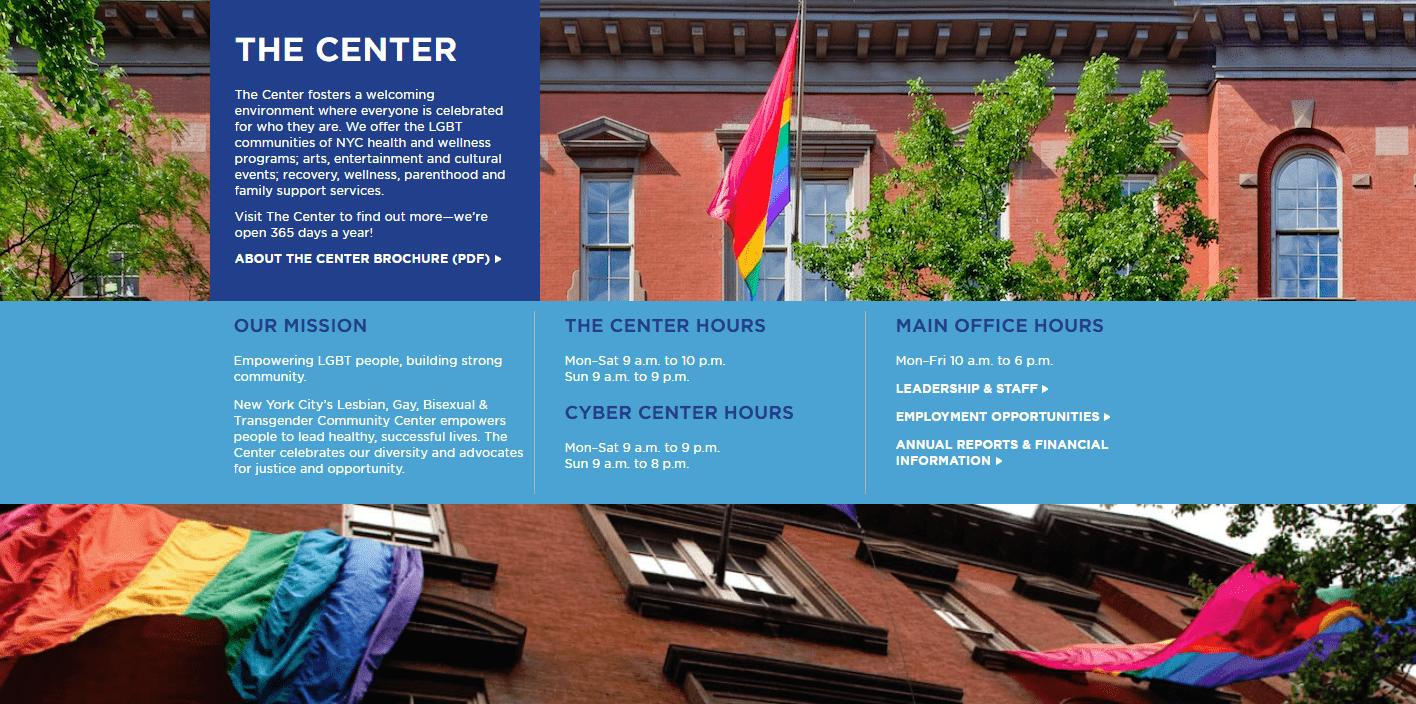
Figure 3. Introduction page of the New York LGBT Center
Finally, particularly in the U.S. and Europe where queer communities are highly visible, centers emphasize Culture & Education by hosting performances and exhibitions, offering equivalency exam programs for queer people who missed formal schooling, and providing lifelong learning opportunities. Under Leadership & Advocacy, they run programs such as legal support for local politics and civil rights advocacy, suicide prevention initiatives, technical and legal assistance for ally organizations, and strategic training to cultivate community leaders.
Meanwhile, the queer community in London—previously somewhat removed from these developments—recently succeeded in a crowdfunding campaign to establish a London LGBTQ+ Community Center. Though they speak different languages in different countries, might it be that what ultimately drives these efforts is a shared passion to bring together the complex, hard-to-define identity of “LGBTQ+” into a common community within local society?
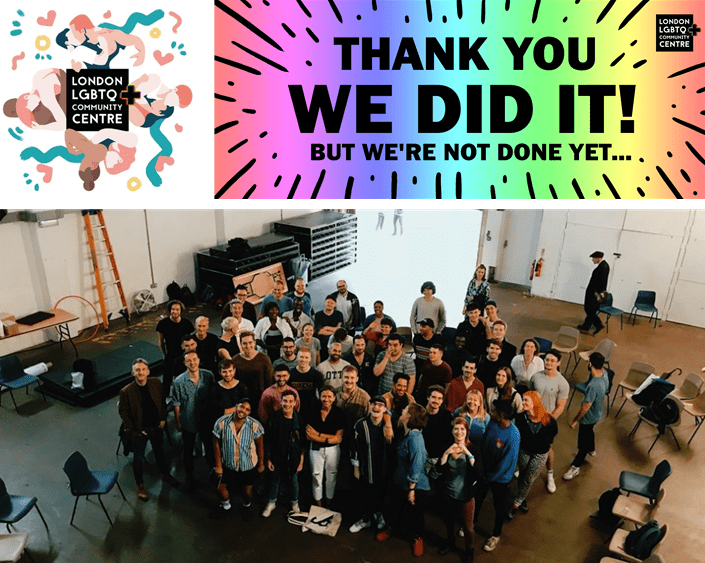
Figure 4. The London LGBTQ+ community, which recently succeeded in crowdfunding for a center
Of course, gathering LGBTQ+ people into a single physical space within a community will not be without challenges. Still, by bringing together this profoundly queer group—marked by diverse identities and social classes—we may gain a “community where it is safe to take root,” one fundamentally different from the communities in Korea that are currently formed around shared educational backgrounds, ages, or hobbies such as reading or sports.
If we aim to build such a community, however, there are issues we must confront head-on. In my view, the most pressing among them is homelessness and isolation among LGBTQ+ youth and elders. Studies conducted in Canada, Australia, and the United States indicate that 25–40% of homeless youth identify as LGBT. In some cities like Los Angeles, 68% of LGBT residents aged 64 and older live alone. Furthermore, research by the National Alliance to End Homelessness estimates that between 240,000 and 400,000 LGBT people in the U.S. experience homelessness at least once in their lives.
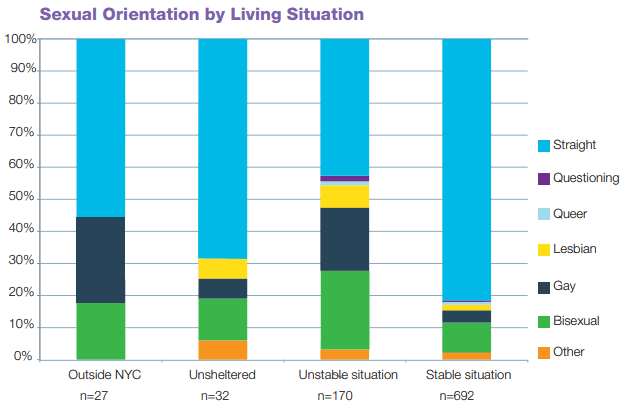
Figure 5. 2017 Youth Report published by the City of New York
The hardships they face go far beyond “housing instability.” They include indiscriminate drug use, survival sex (sexual activity undertaken to meet basic needs such as food and shelter), widespread HIV transmission, mental illness, and even suicide. Trauma experienced during homelessness, as well as discrimination and violence in shelters, further compound their suffering.
Research suggests that family rejection is the single largest factor leading to homelessness. Some argue that as same-sex marriage becomes institutionalized and LGBT visibility rapidly increases, a backlash within conservative families has led to a surge in homeless LGBTQ+ youth forced out of their homes (1, 2, 3).
So how aware are we of this problem?
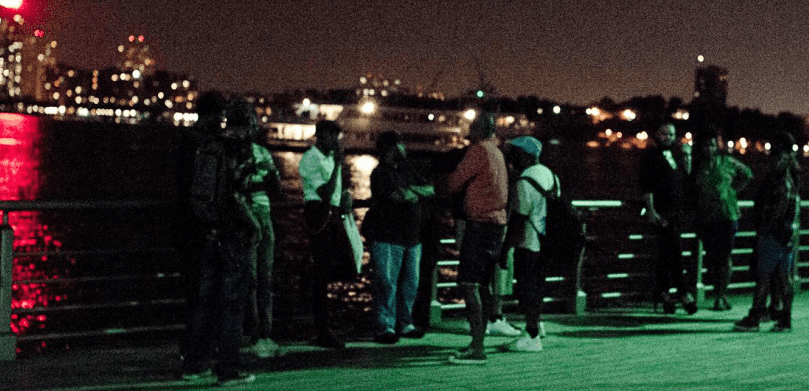
Figure 6. Cover of the report “Surviving on the Streets of New York: LGBTQ+ Youth Experiencing Survival Sex”
Recently, The Outside Project, a London-based organization supporting homeless LGBTQ+ people, conducted an experiment. At a queer parade in London, they showed participants a “Coming Out Kit”—a bag containing items supposedly needed for coming out—and asked what they thought was inside. Unfortunately, most participants could not guess correctly.
How about you?
Could you guess?
What items would you need when you come out?
The items in The Outside Project’s “Coming Out Kit” turned out to be everyday necessities: socks, a hat, a toothbrush. Numerous reports show that LGBTQ+ people face domestic and external harassment such as family violence and the breakdown of personal relationships. Even after leaving those spaces, they encounter financial hardship in maintaining housing, and discrimination from brokers and landlords when seeking accommodation. In this reality, how can the lives of LGBTQ+ people—who have stepped outside the traditional shelter of the family—unfold within a city like Seoul?
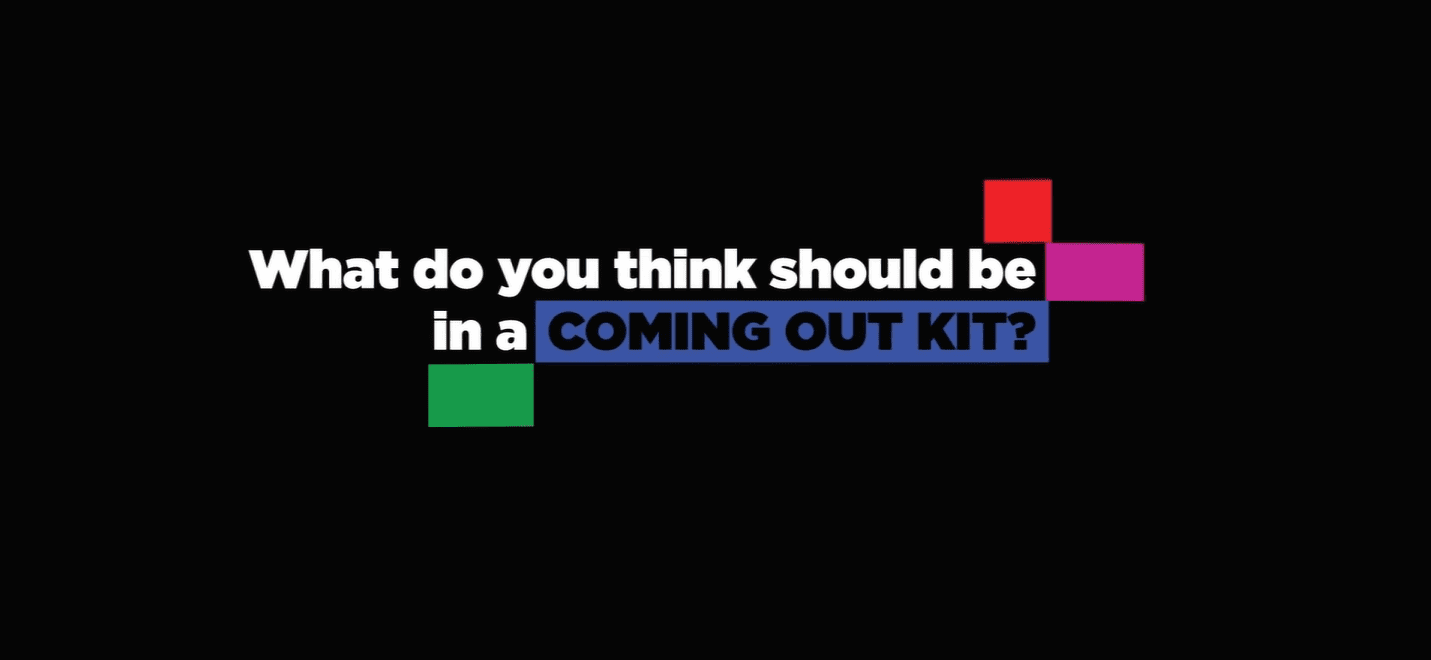
Figure 7. Video still from The Outside Project’s “Coming Out Kit” project
From this perspective, I want to reconsider the area of Jongno 3-ga. In Jongno 3-ga, a wide range of groups coexist—sometimes overlapping, sometimes not—from the elderly in Tapgol Park, including the much-discussed “Bacchus grandmothers,” to male sexual minorities, commercial ghettos, human rights organizations, and even homeless residents with some income living in the Donui-dong jjokbang (single-room occupancy) area.
Everything is related to everything else, but near things are more related than distant things.
—Waldo Tobler, First Law of Geography
Looking ahead, the areas in which Chingusai operates within local communities will continue to expand. The banner Chingusai hung in Jongno 3-ga during the recent Seoul Queer Parade may be just the beginning of this movement. So how should Chingusai relate to the homeless residents of Donui-dong, the shop owners of Ikseon-dong, and the elderly of Tapgol Park, including the Bacchus grandmothers? And what kind of Chingusai should we strive to build in the future?
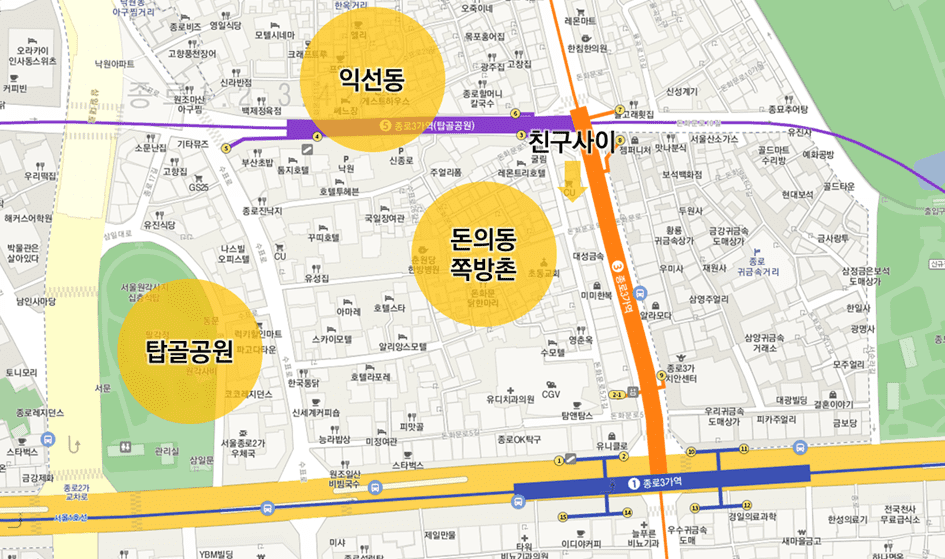
Figure 8. Chingusai in Jongno 3-ga and its surrounding area
Chingusai / Jenny (제니)